Active Matter Physics
Collective motion, memory, and remodeling
How does local activity create collective order, and how does that order guide subsequent motion?
Explore this areaLatest work: bioRxiv · 2026 · Preprint
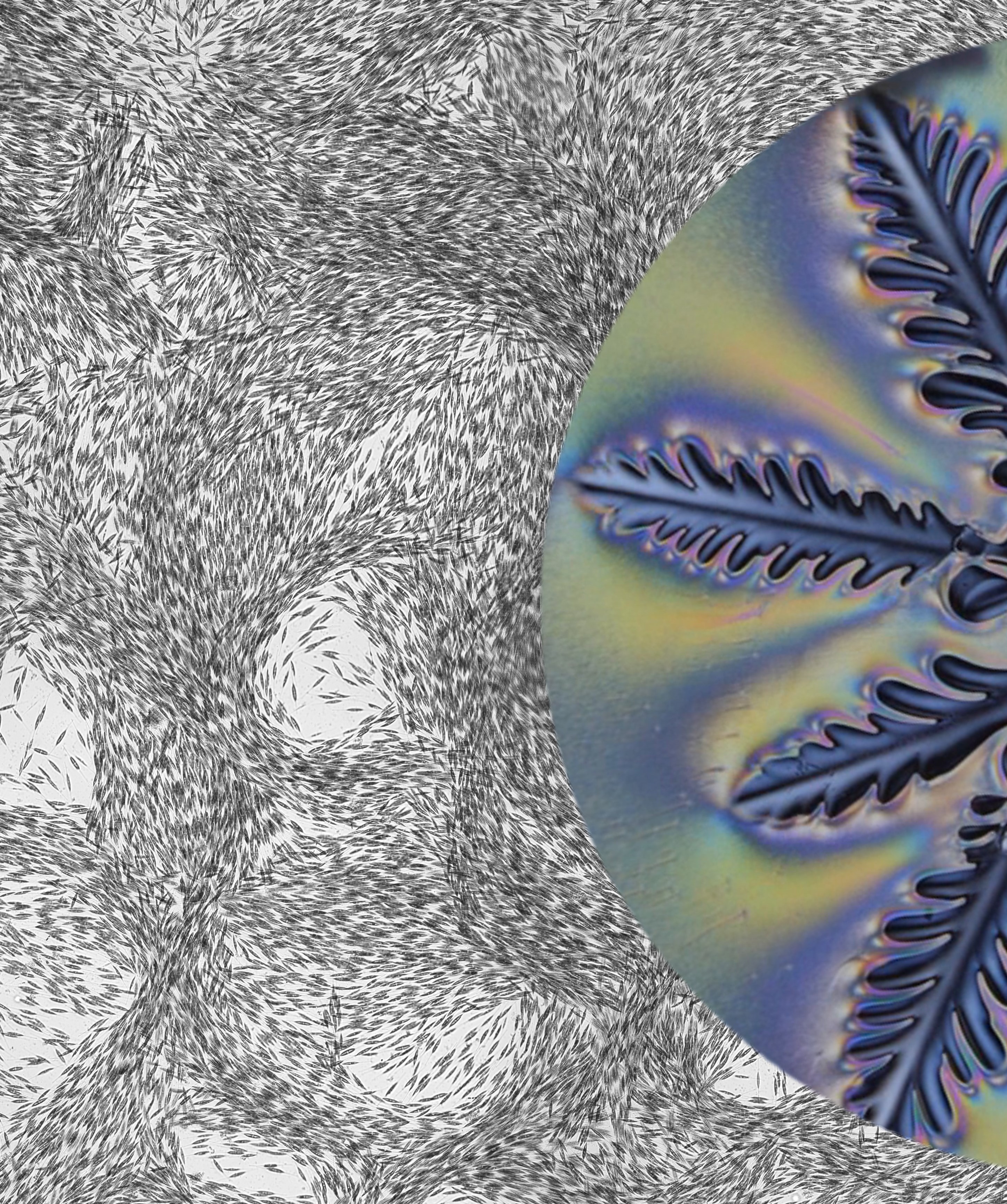
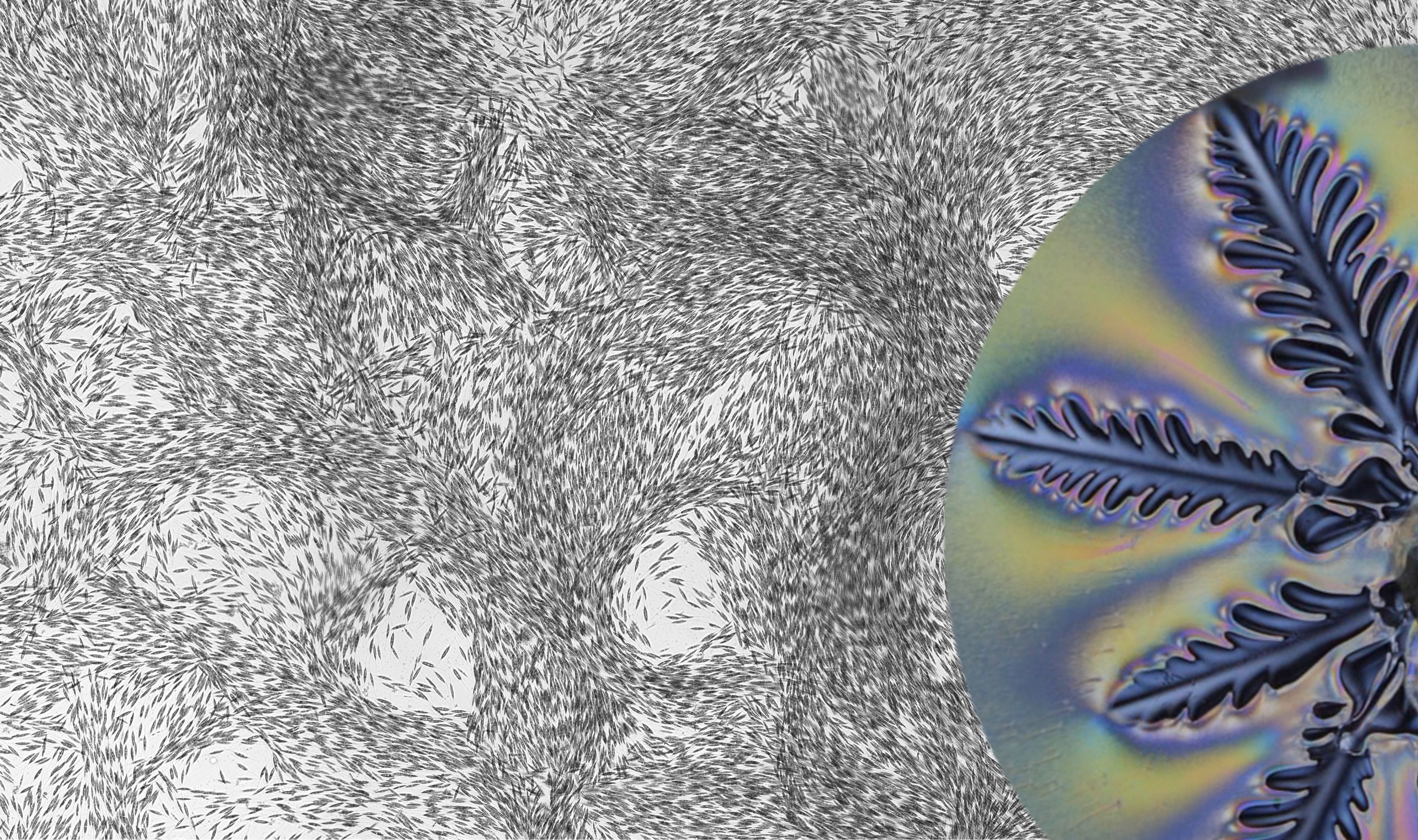
My research integrates complex fluids, active matter physics, cell biology, and microbial ecology to reveal the mechanisms that drive pattern formation across scales.
I am currently a Postdoctoral Scholar at Stanford University in the Prakash Lab, where my work sits at the interface of soft matter physics and microbial ecology. I received my PhD in Mechanical Engineering from MIT in 2022, specializing in Thermal-Fluids and Materials Science.
My research combines curiosity-driven science with nature-inspired engineering. I investigate the physical principles that drive pattern formation in fluids, soft materials, and living systems, from molecular assemblies to ecosystem-scale organization. My goal is to translate these principles into new engineering tools for environmental and energy challenges.
Science does not exist in a vacuum. I am passionate about connecting scientific discovery with the broader community and the arts. Outside of the lab, I enjoy hiking and basketball.
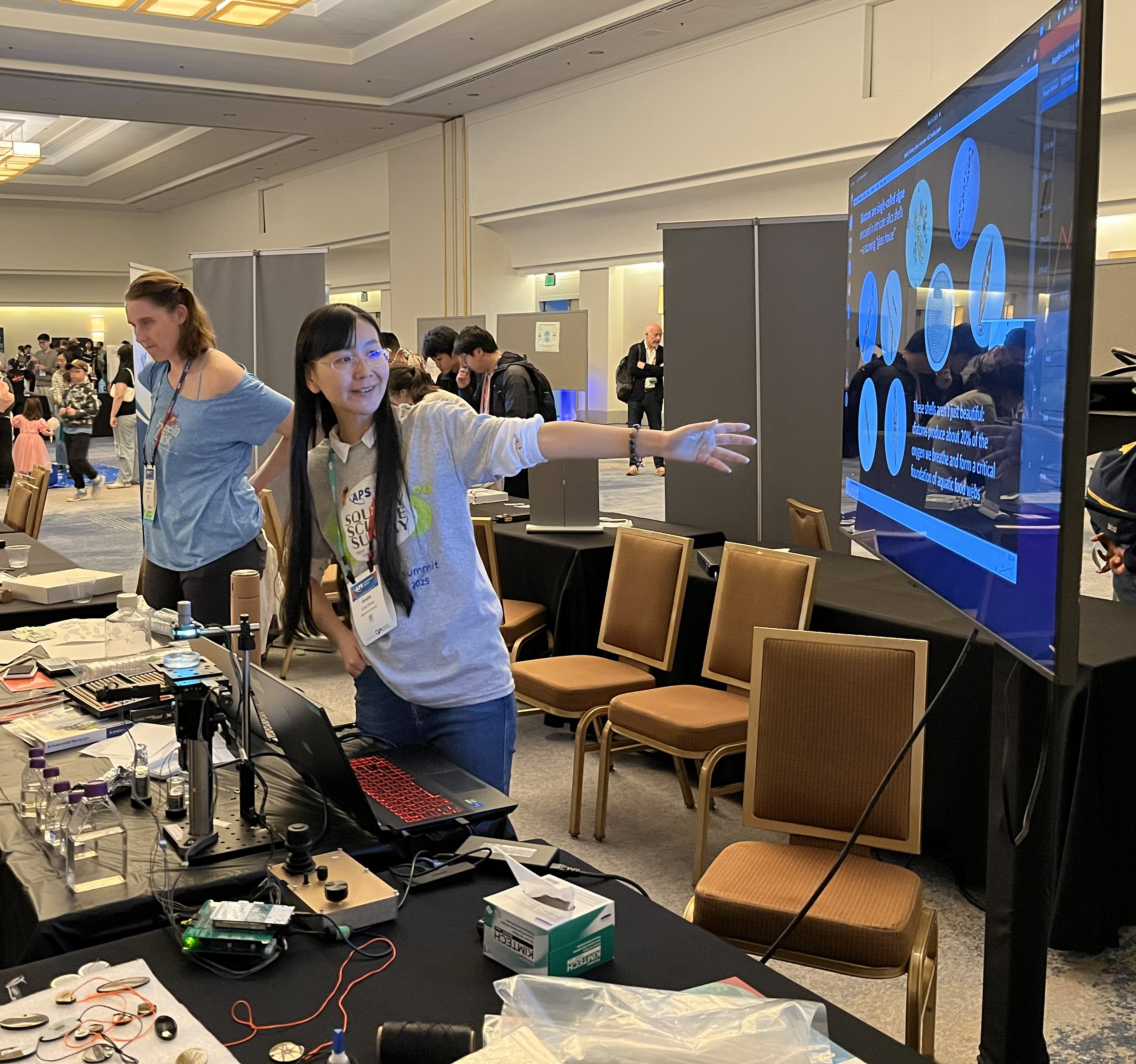
APS Squishy Science · 2025
Activity Leader
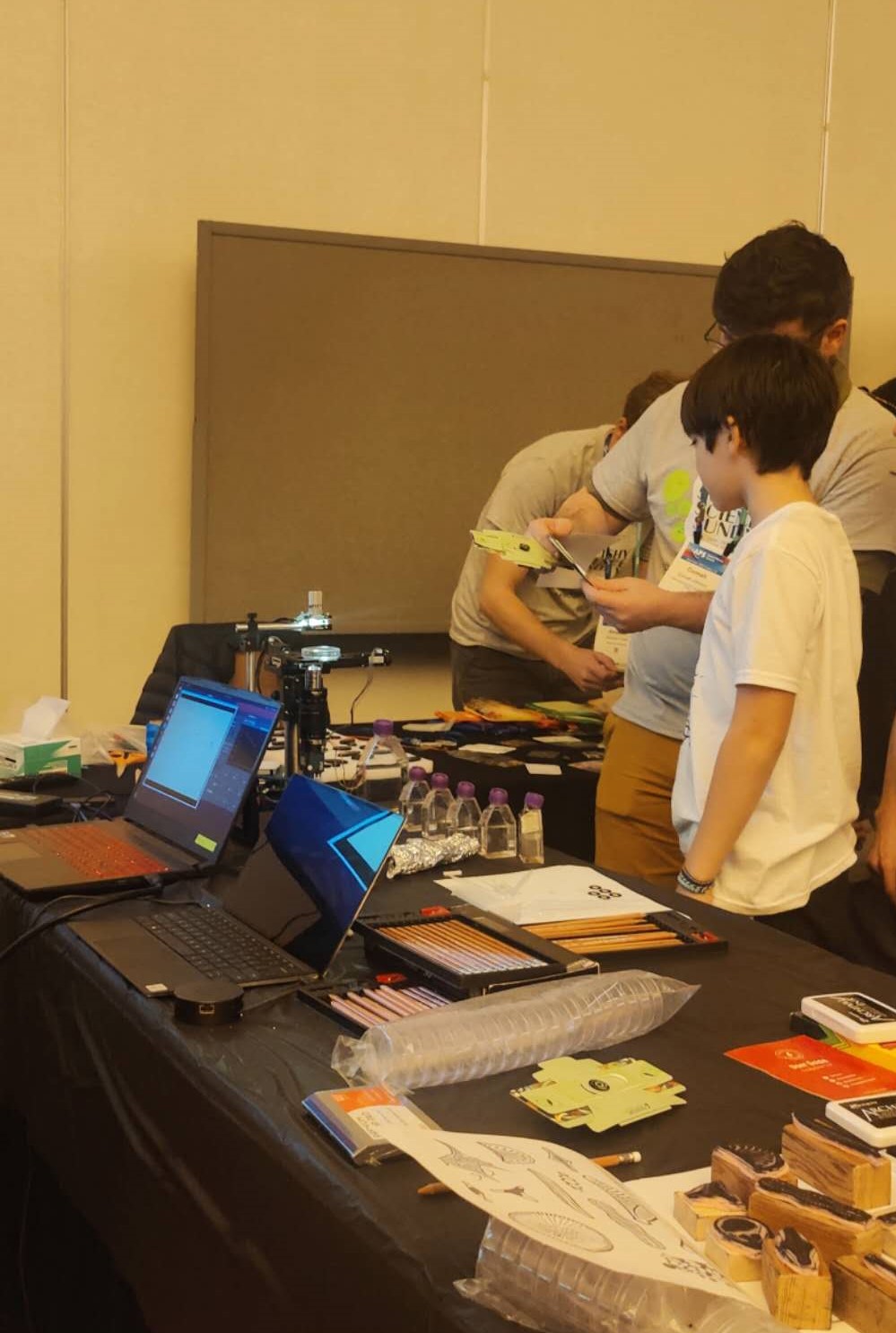
APS Squishy Science · 2025
Activity Leader
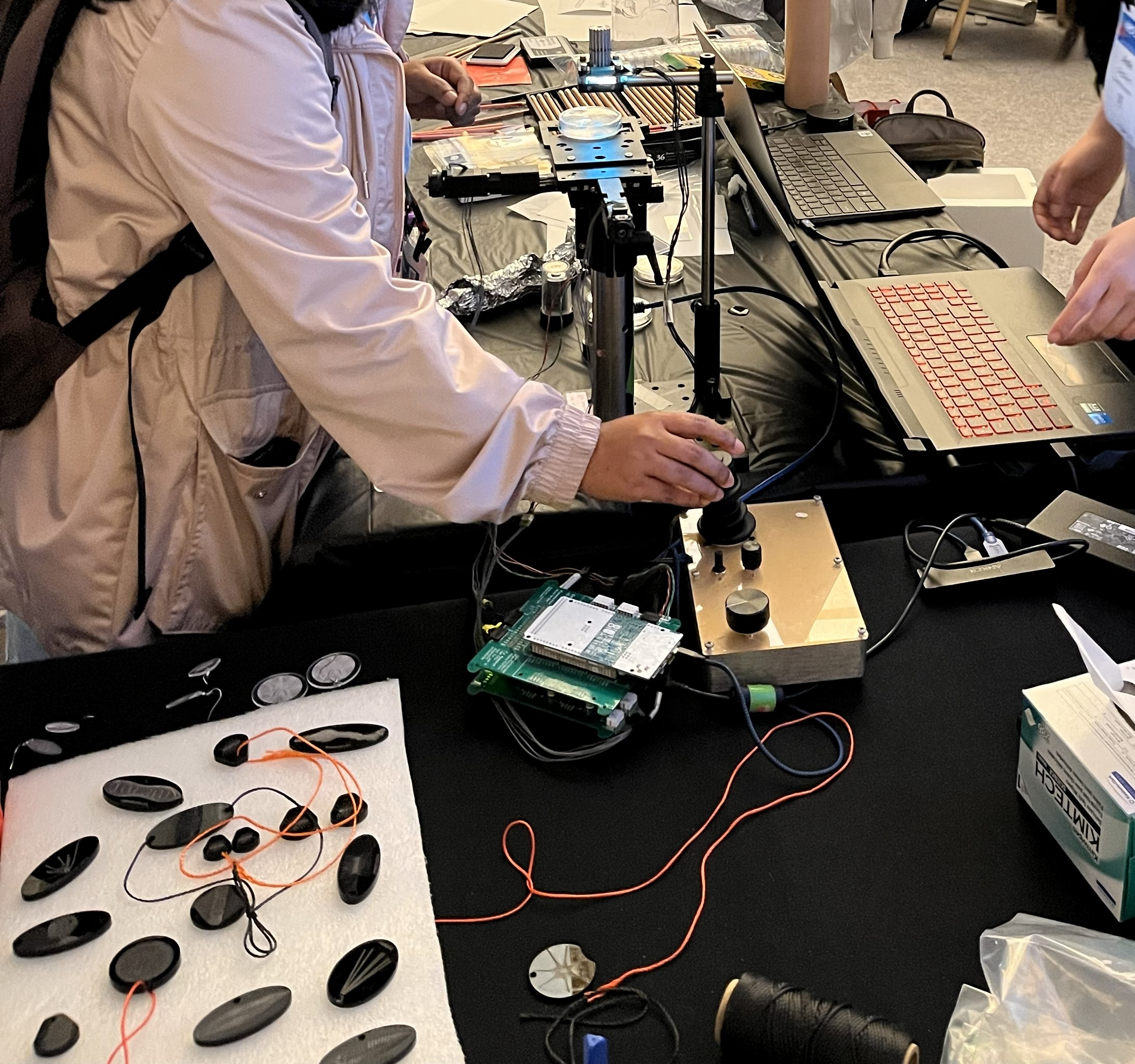
APS Squishy Science · 2025
Activity Leader
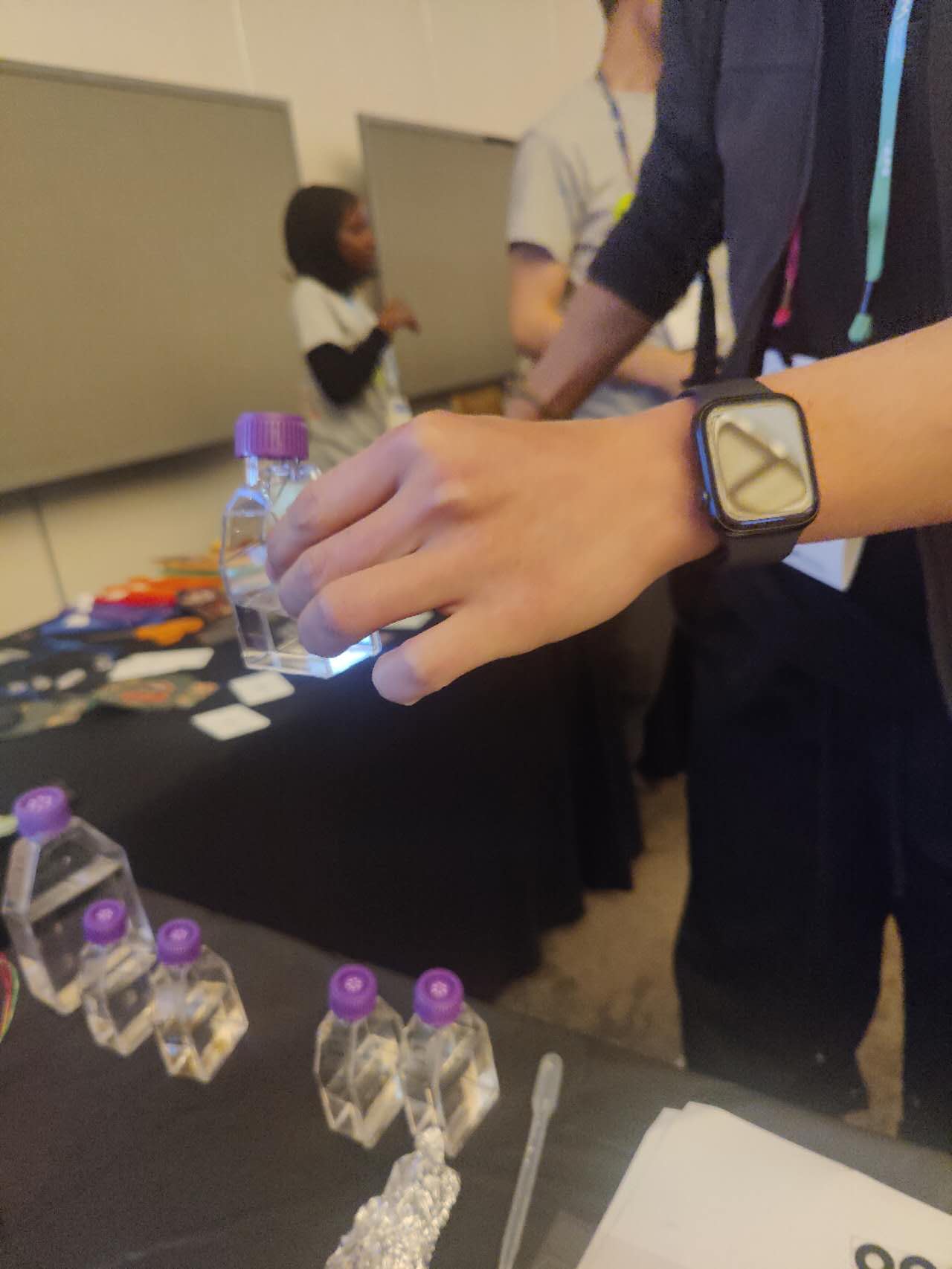
APS Squishy Science · 2025
Activity Leader
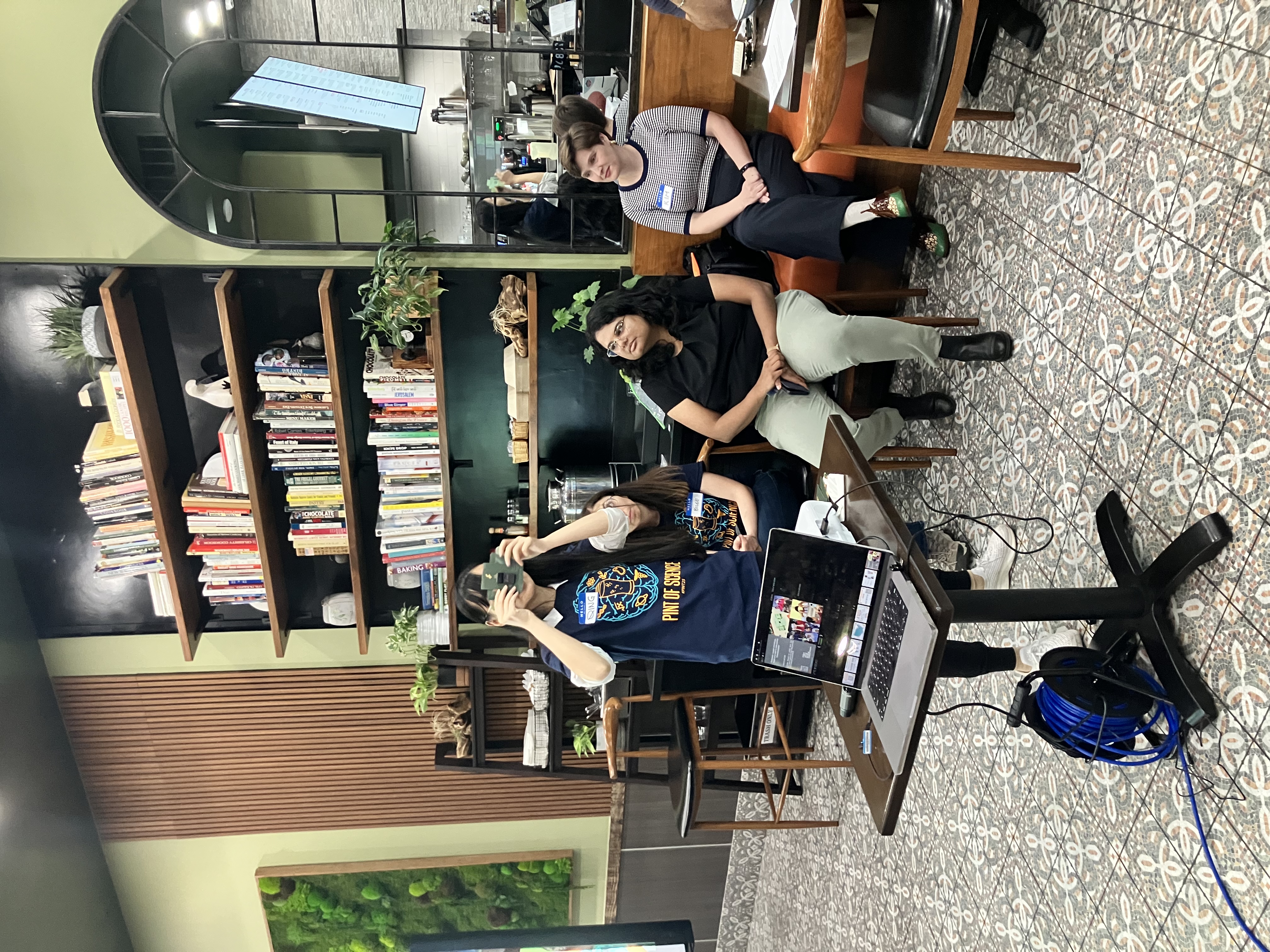
Pint of Science · 2025
Event Manager
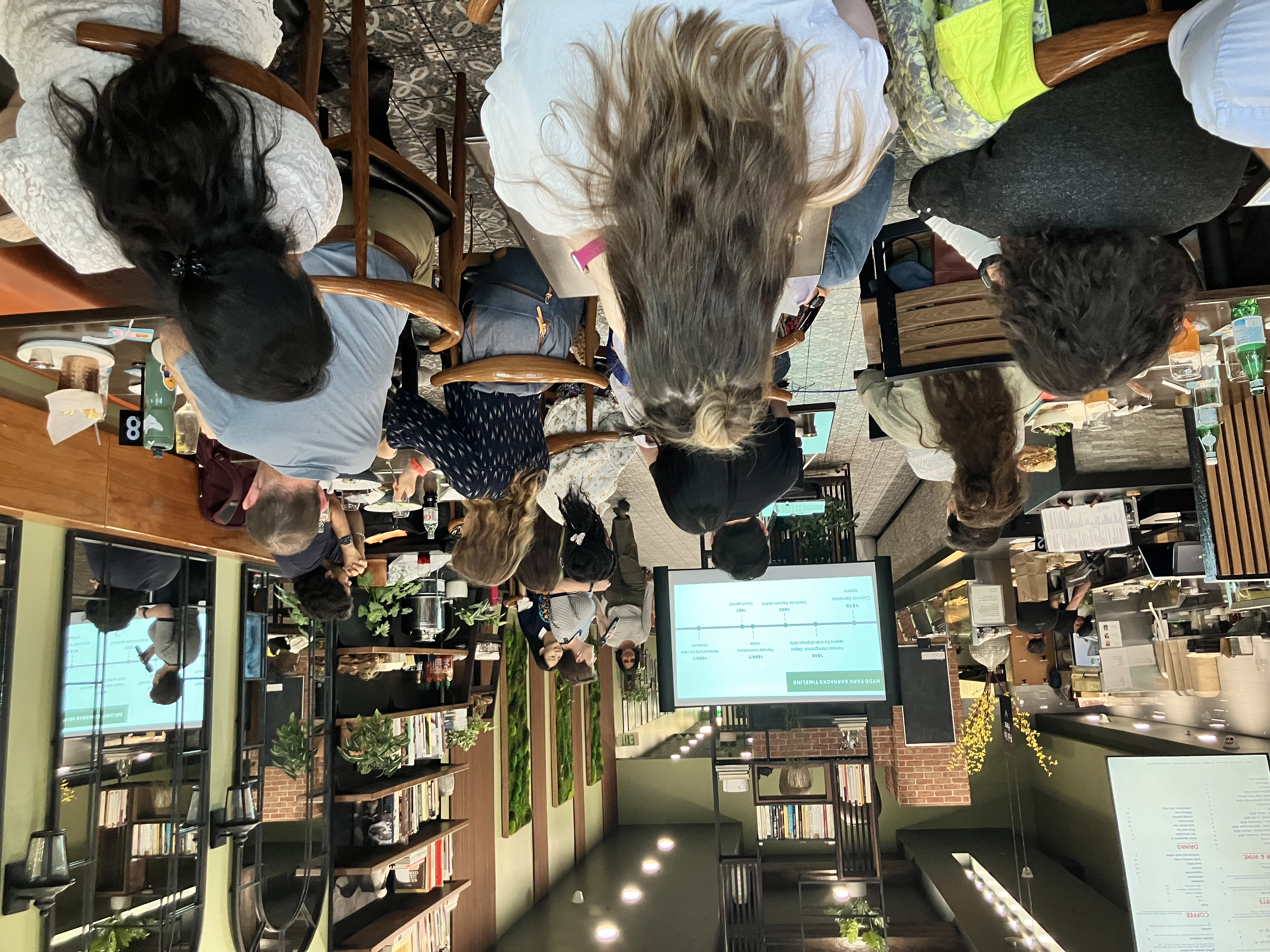
Pint of Science · 2025
Event Manager
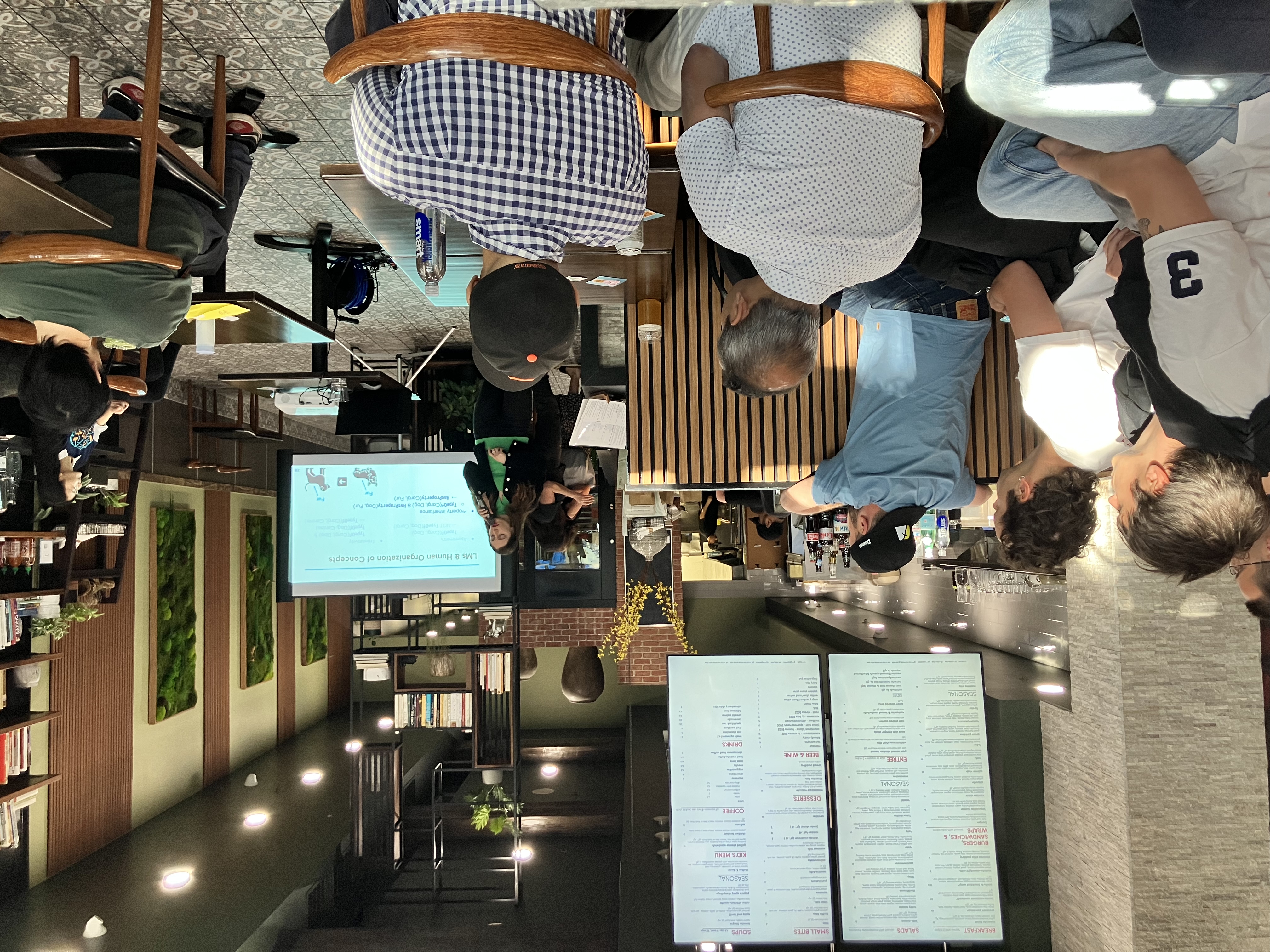
Pint of Science · 2025
Event Manager

Pint of Science · 2025
Event Manager
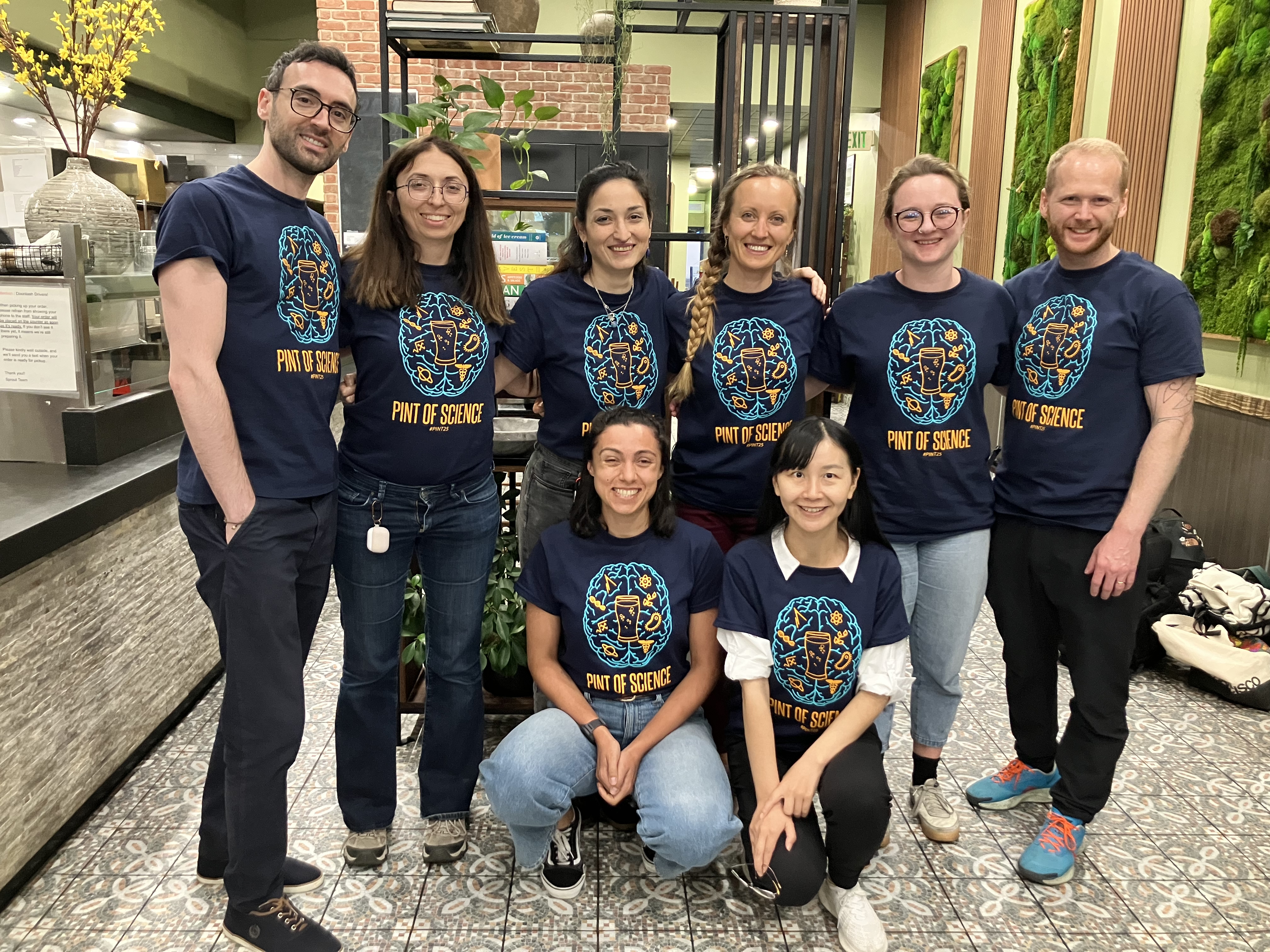
Pint of Science · 2025
Event Manager
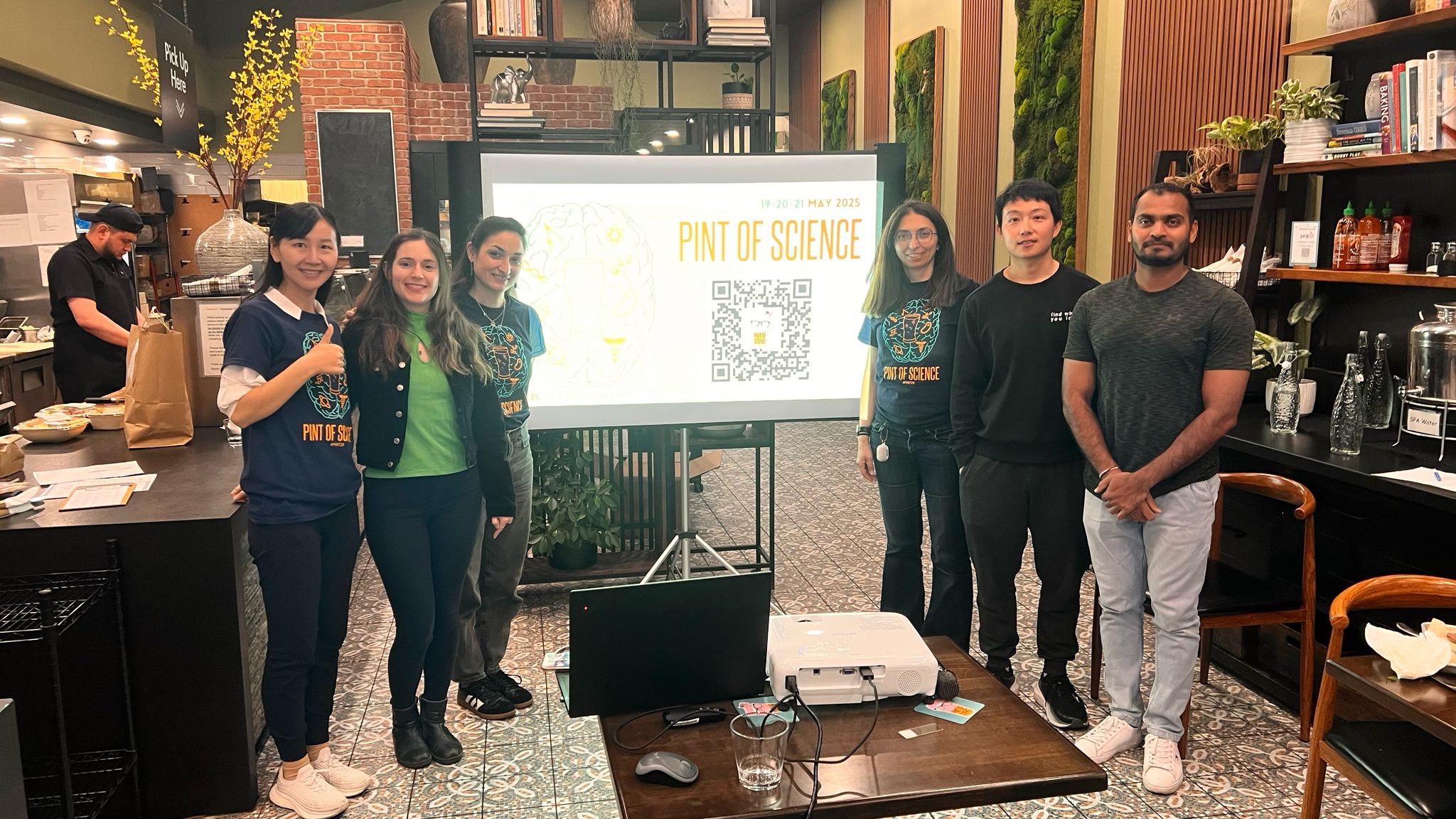
Pint of Science · 2025
Event Manager
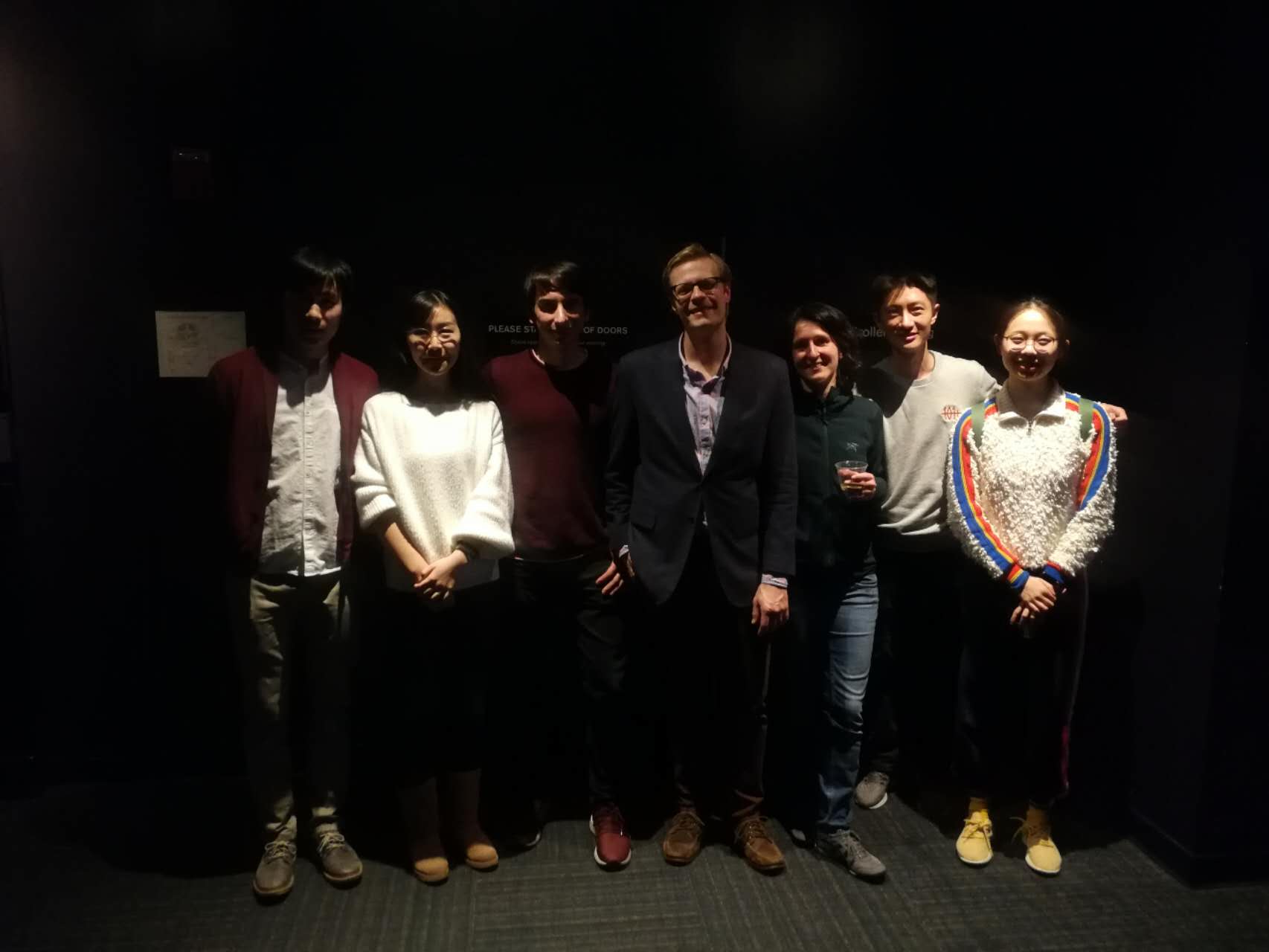
Museum Performance
Science Communication
Musicalizing Fluid Dynamics: Collaborated with Dr. Irmgard Bischofberger and composer Dr. David Ibbett to translate my research on fluid instabilities into a musical composition performed at MIT and the Museum of Science, Boston.
Co-founder & President
Founded and led a student organization to connect MIT students with industry-sourced course projects. Established collaborations with companies including MathWorks and Schlumberger-Doll Research Center to bridge the gap between academic theory and real-world application.
Collective motion, memory, and remodeling
How does local activity create collective order, and how does that order guide subsequent motion?
Explore this area →Latest work: bioRxiv · 2026 · Preprint
Life in changing physical environments
How do marine microbes sustain motion, respond to environmental change, and reshape the habitats they occupy?
Explore this area →Latest work: PNAS · 2025
Building structure through flow and instability
How can flow and material anisotropy turn small disturbances into organized structures?
Explore this area →Latest work: Nature Communications · 2024
In living materials, activity can reshape material structure, which in turn guides subsequent motion. I study this two-way interaction to understand how non-neuronal cells coordinate to form collective patterns, how material structures retain a memory of past activity, and how activity drives topological remodeling.
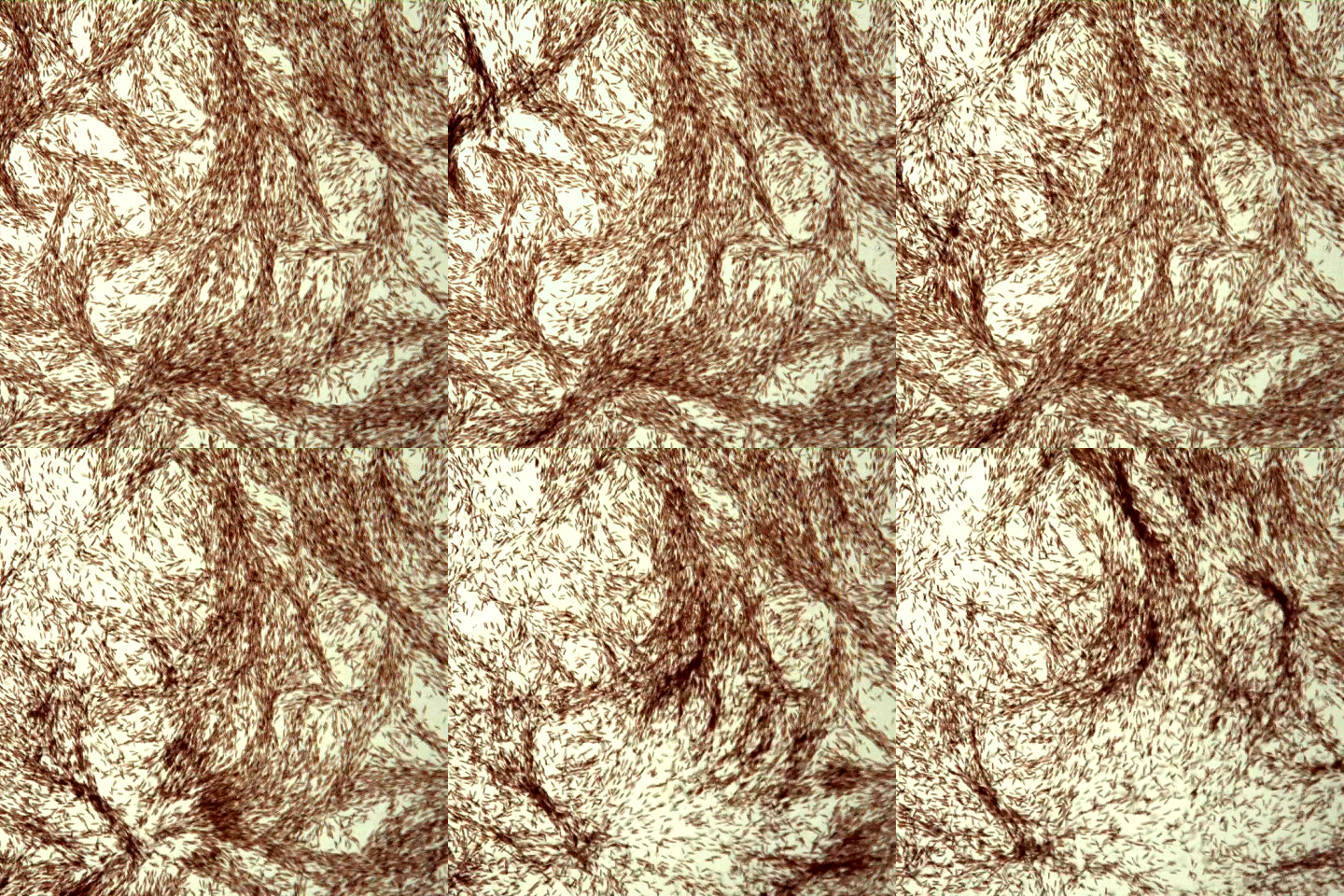
bioRxiv · 2026 · Preprint
Zhang, Q., & Prakash, M. (2026).
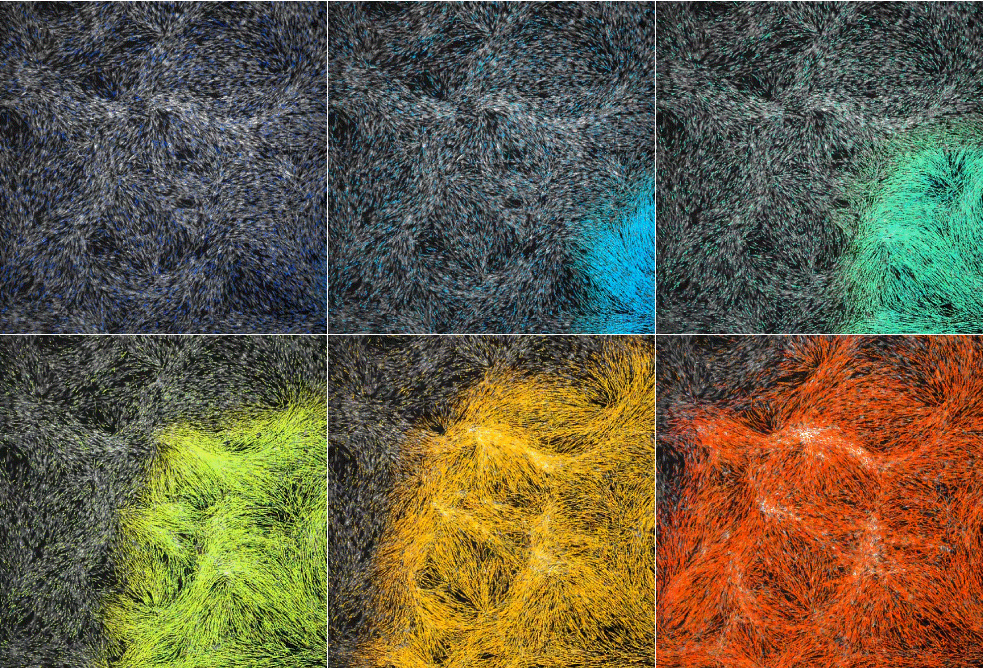
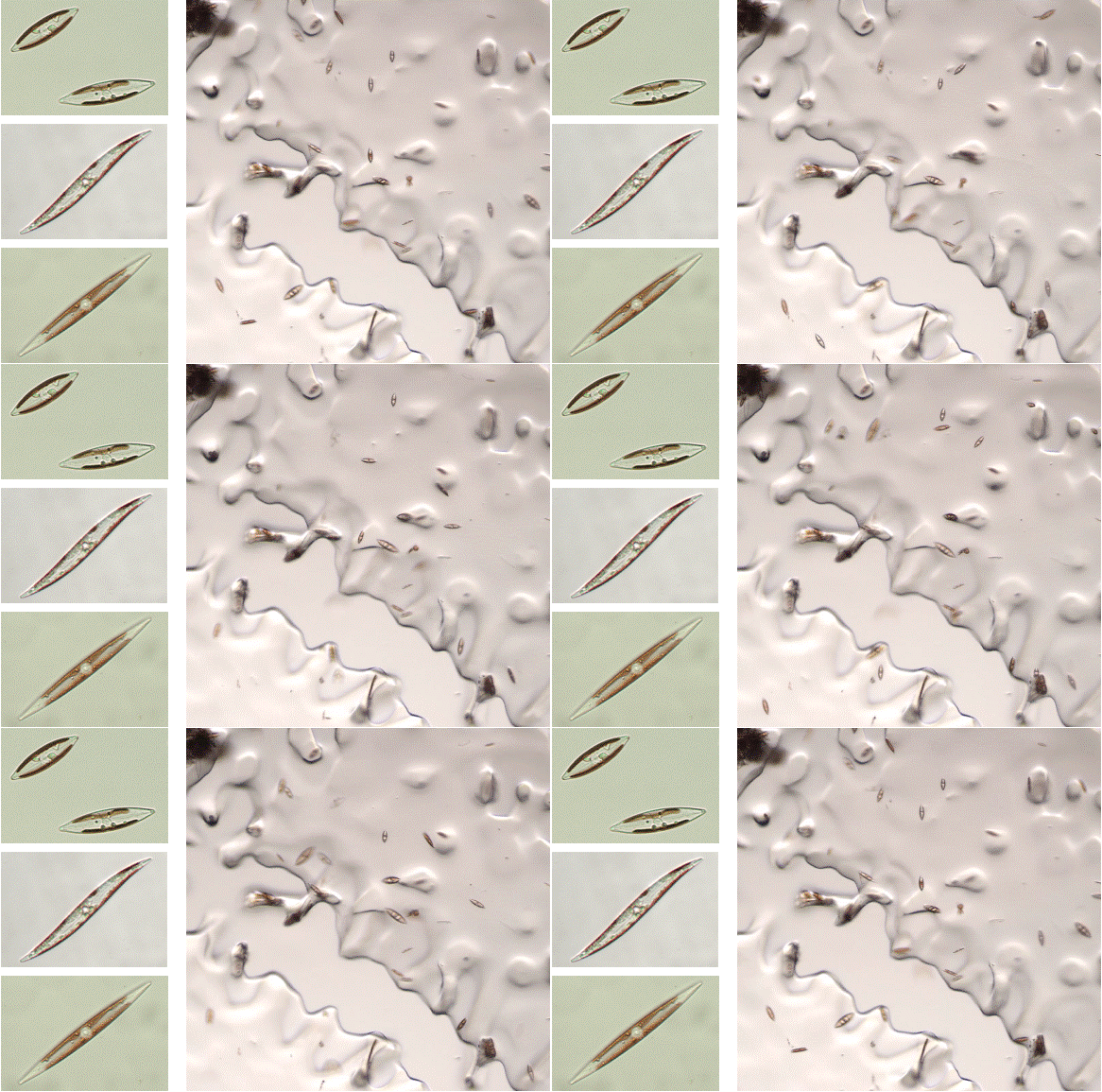
Diatoms form aligned active nematic patterns that guide trigger waves of cellular activation. The viscoelastic mucilage they secrete preserves a structural memory that subsequent waves follow and rewrite, connecting collective motion with communication and memory in an ecosystem-derived living material.
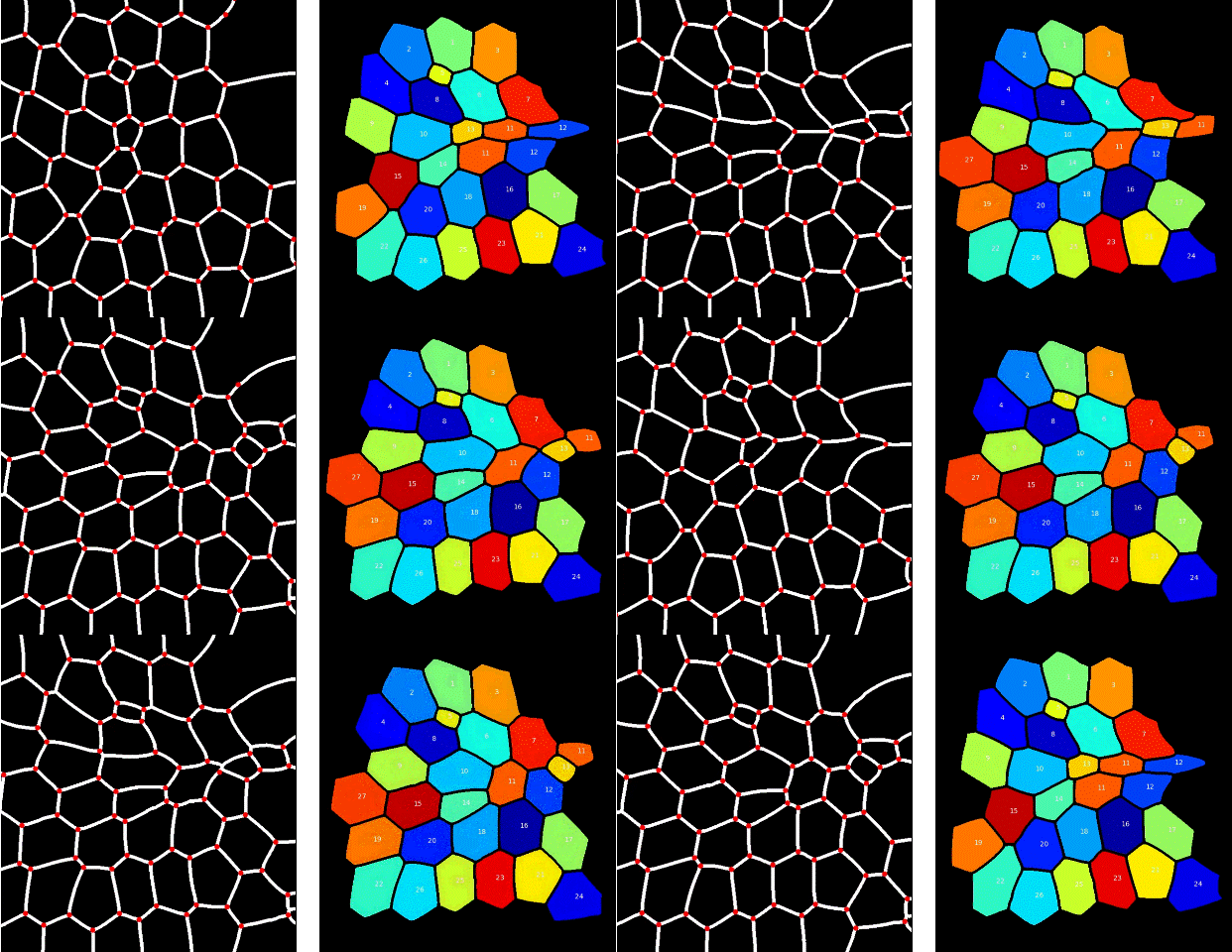
Read preprint ↗How can we build a model system in which activity changes the architecture that constrains it? By introducing a driven active fluid into a foam network, I am investigating how internal stresses reorganize its structure. This extends the study of motion and memory to the mechanics of material remodeling.
Motility and buoyancy shape how marine microbes access light, nutrients, and suitable habitats. Combining field observations, controlled microscopy, microfluidic experiments, and physical modeling, I investigate how diatoms glide on sea ice and regulate buoyancy in seawater. This work connects cellular mechanics with environmental conditions, asking how surroundings regulate cellular behavior and how cells, in turn, influence habitat structure and transport.
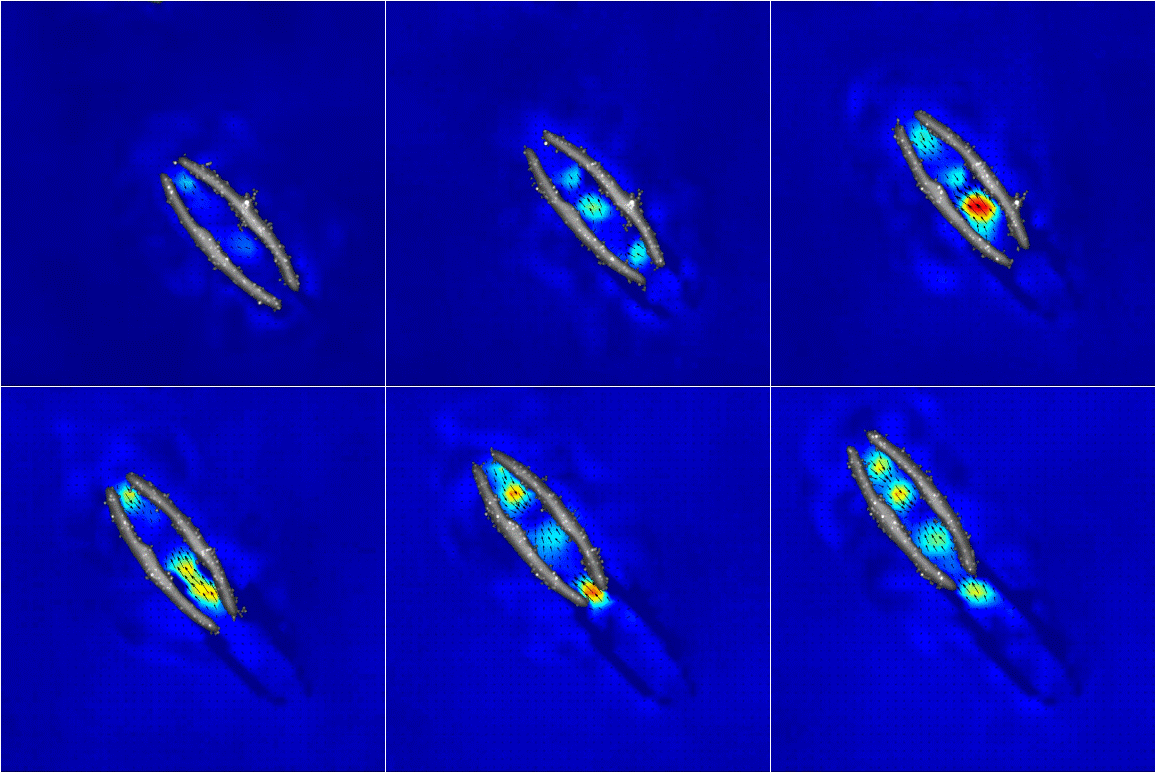
PNAS · 2025
Zhang, Q., Leng, H. T., Li, H., Arrigo, K. R., & Prakash, M. (2025). 122(37), e2423725122.
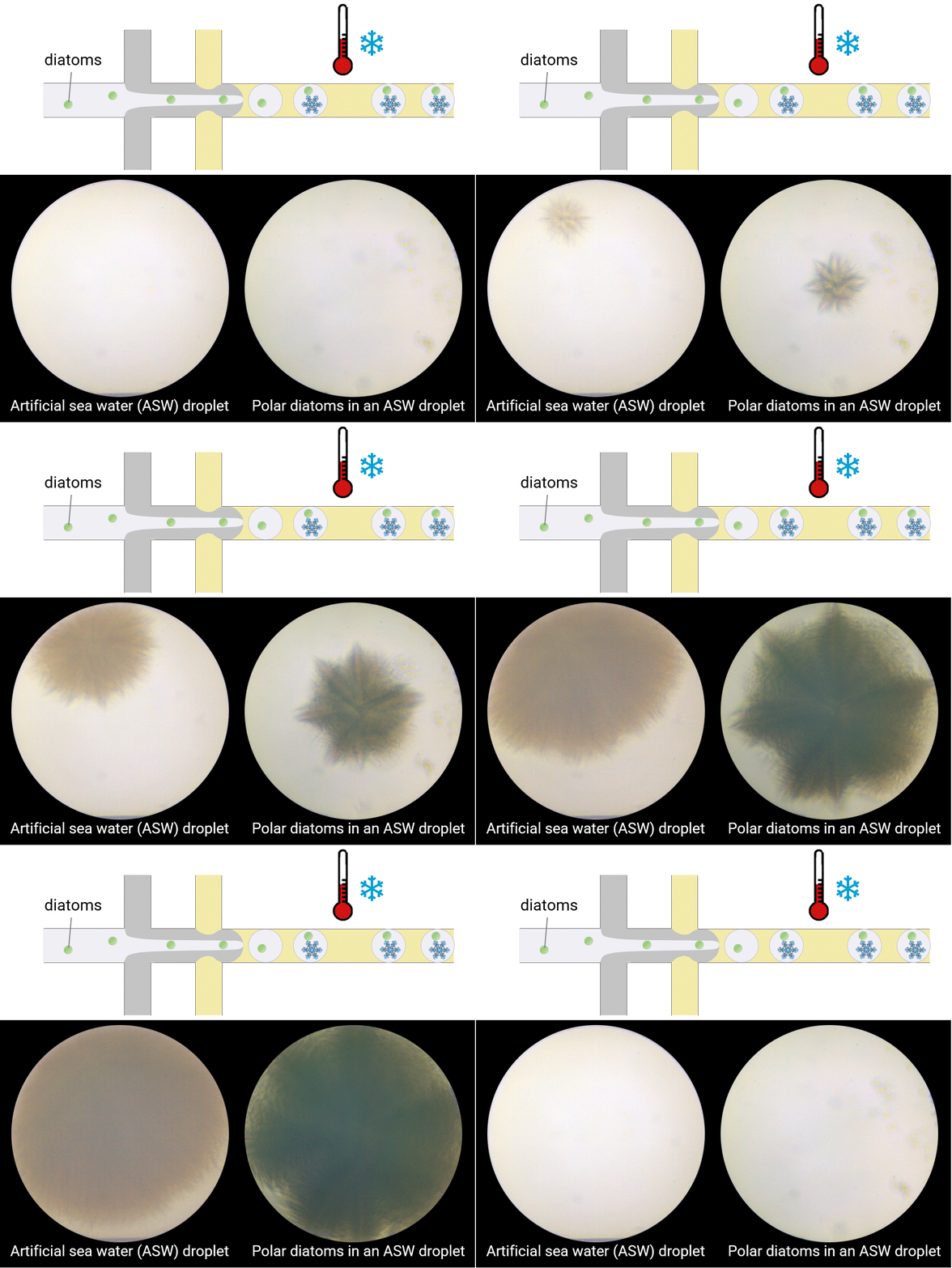
Experiments during an Arctic expedition showed that ice diatoms retain gliding motility on ice at sub-zero temperatures. Traction force measurements and a thermo-hydrodynamic model connect cellular mechanics with their adaptive ability to move through an extreme physical environment.
Read paper ↗To understand how motion is sustained in the cold, we are investigating the genomic and transcriptomic basis of ice-diatom motility in collaboration with Dr. Zev Bryant’s lab. Additionally, microfluidic experiments examine the reverse interaction: how living cells influence ice nucleation and crystal growth.
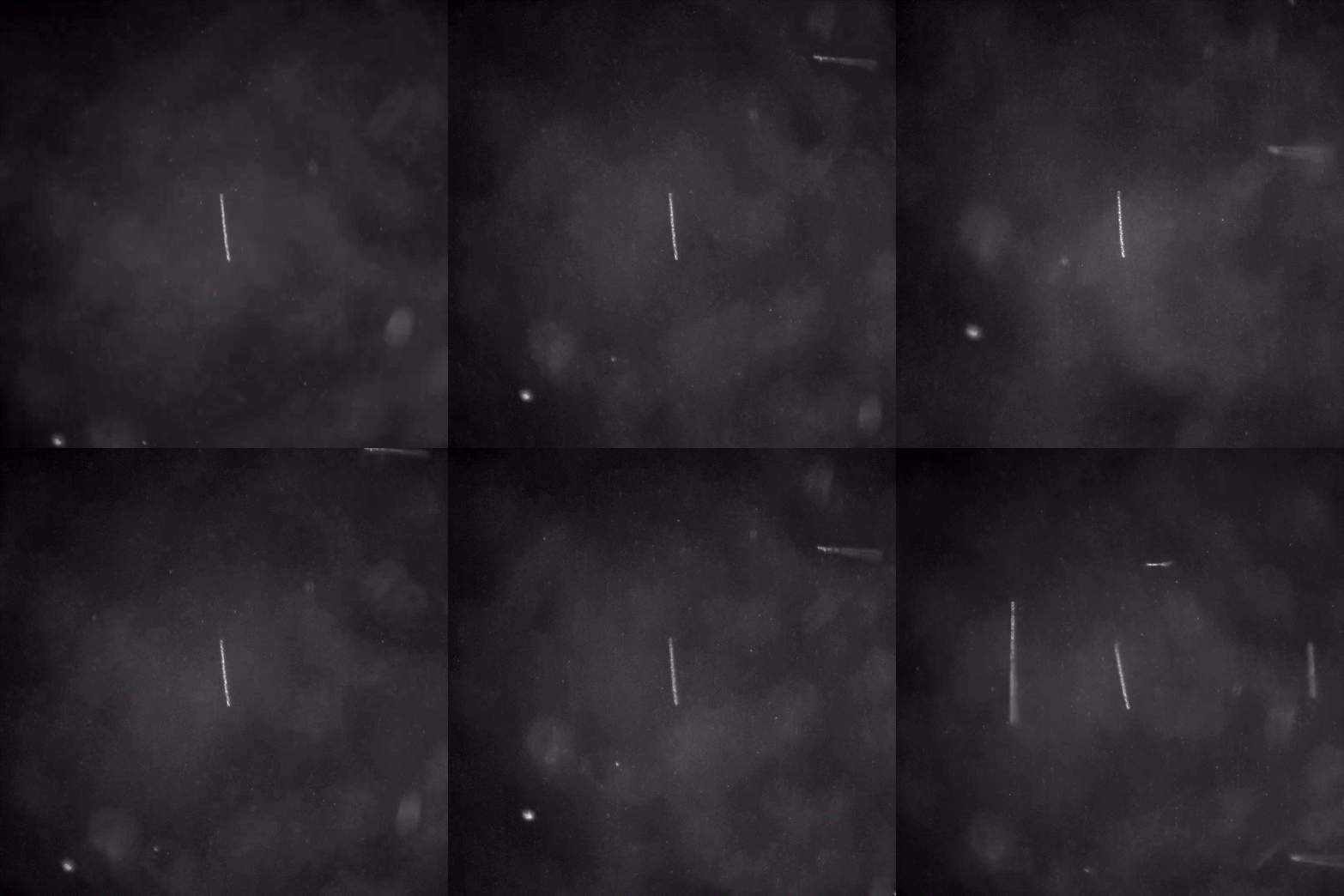
In the open ocean, I study buoyancy regulation in chain-forming diatoms suspended in seawater. Controlled illumination experiments revealed sinking in darkness and ascent under illumination. I am investigating how light-dependent changes in buoyancy influence vertical transport and the processes underlying marine carbon export.
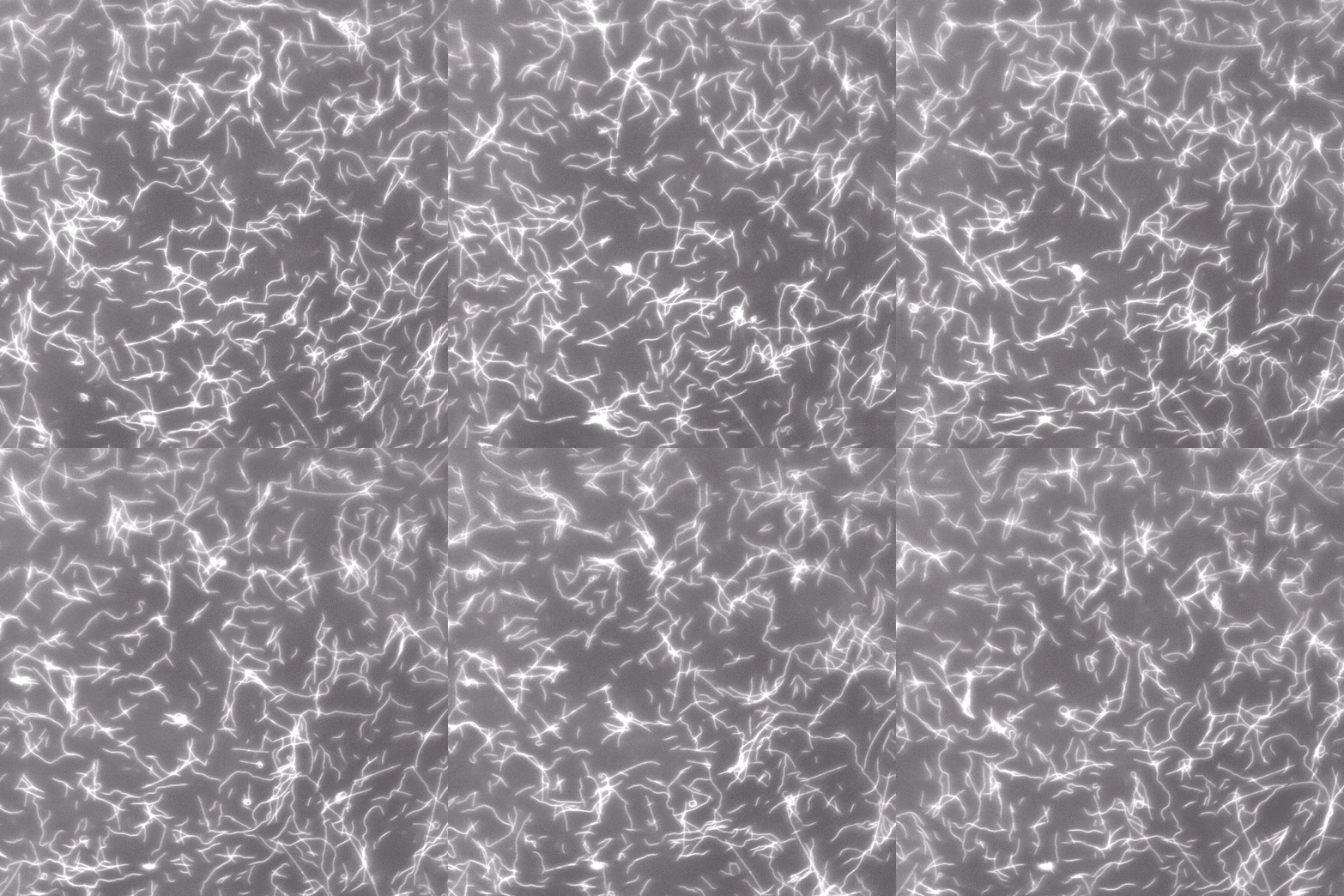
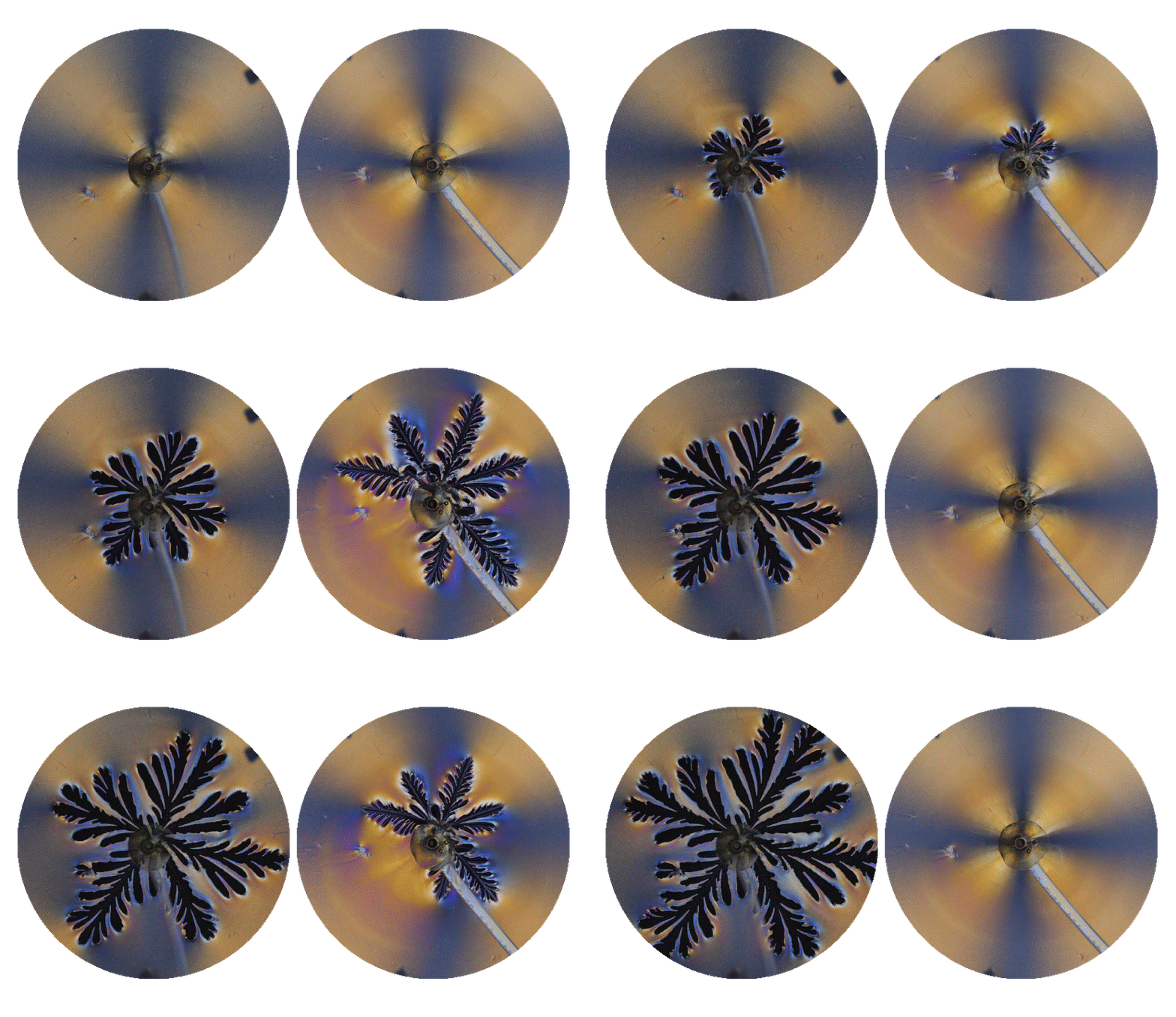
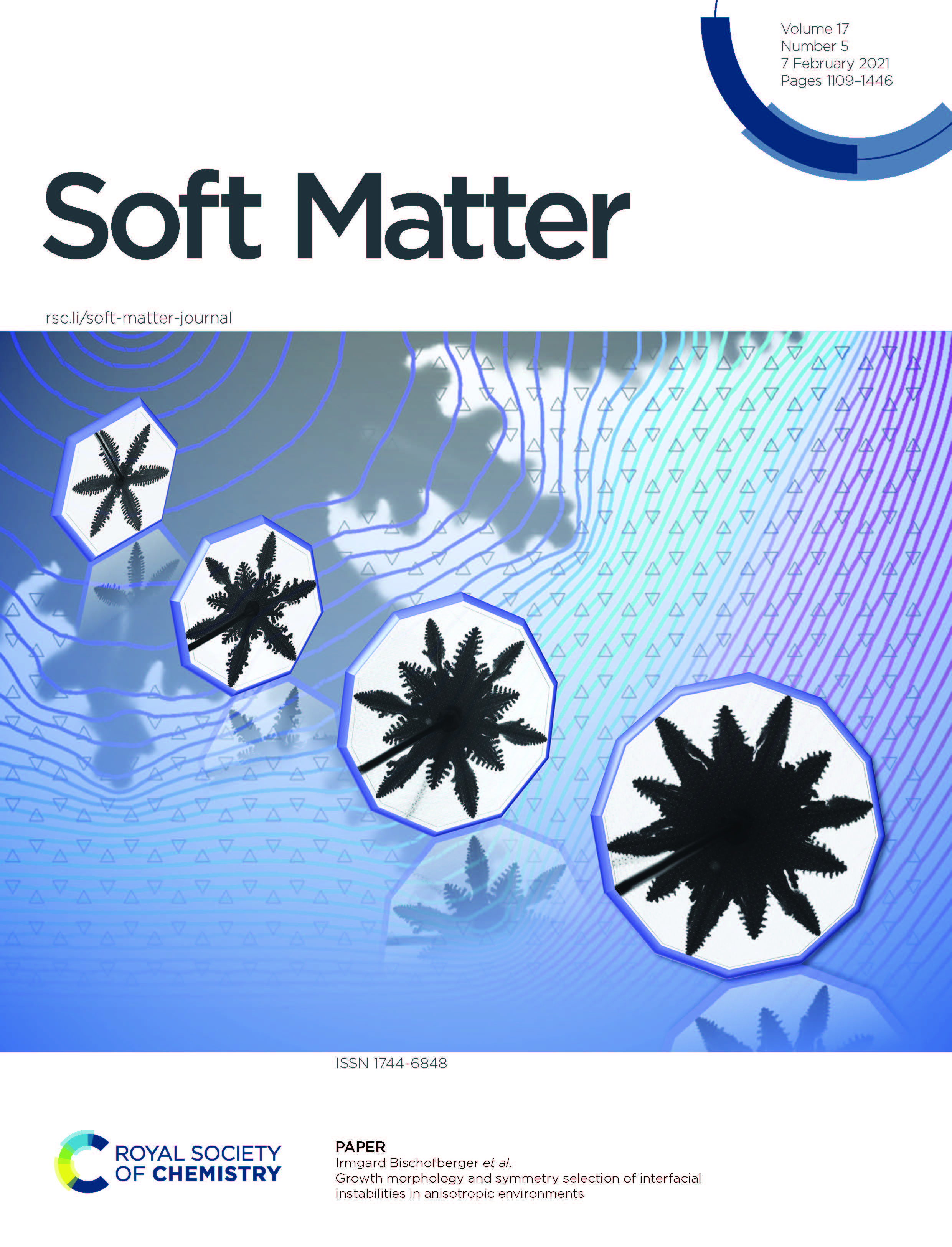
Flow can amplify small disturbances into patterns and reorganize the materials through which it moves. Through experiments and scaling laws, I investigate how geometry, flow conditions, and material anisotropy shape growing fluid interfaces and the internal order of liquid crystals.

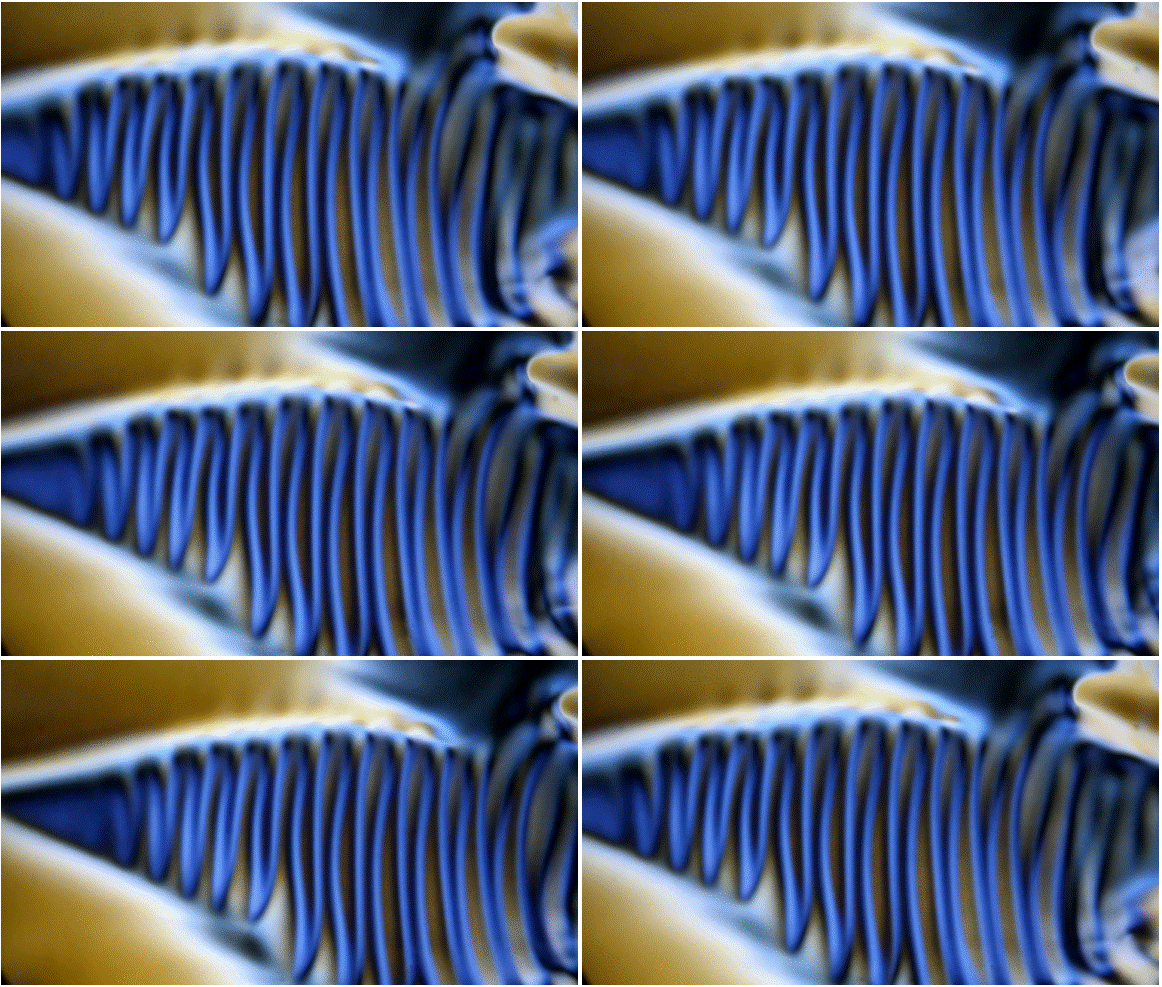
Nature Communications · 2024
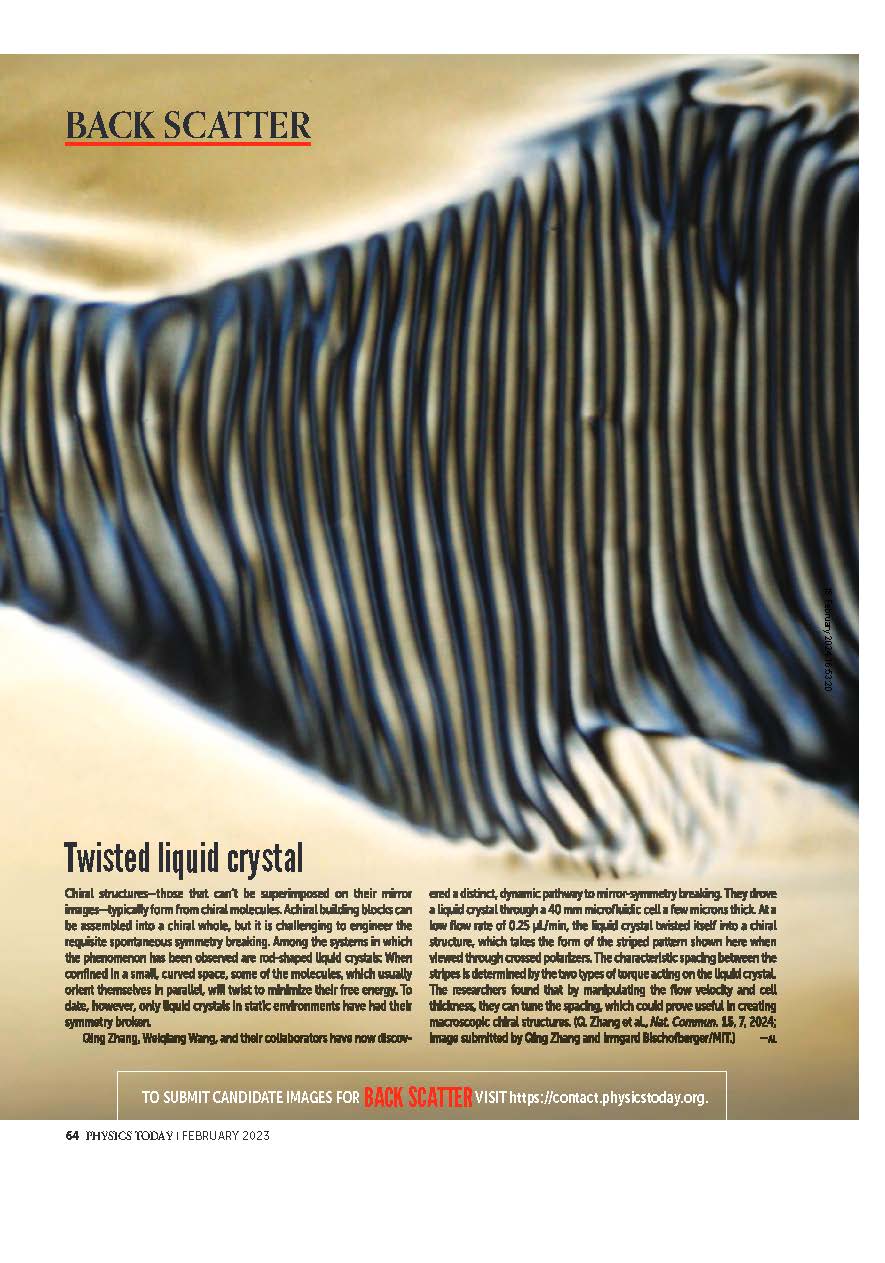
Zhang, Q., Wang, W., Zhou, S., Zhang, R., & Bischofberger, I. (2024). 15, 7.
Pressure-driven flow produces periodic chiral structures from achiral liquid-crystal building blocks. The coupling between flow and elasticity provides a route to spontaneous mirror-symmetry breaking and the organization of material structure.
Read paper ↗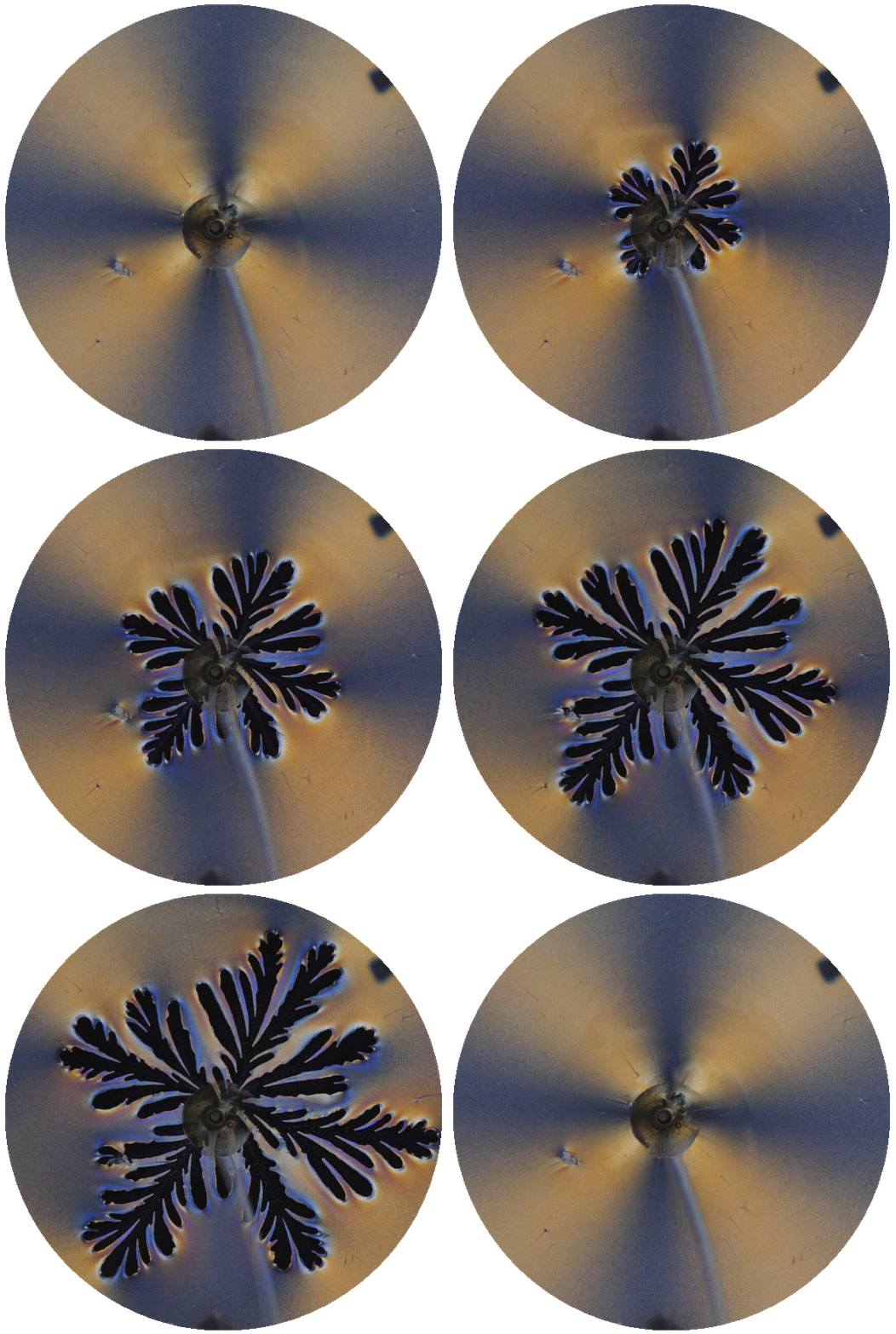
Science Advances · 2023
Zhang, Q., Zhou, S., Zhang, R., & Bischofberger, I. (2023). 9(2), eabq6820.
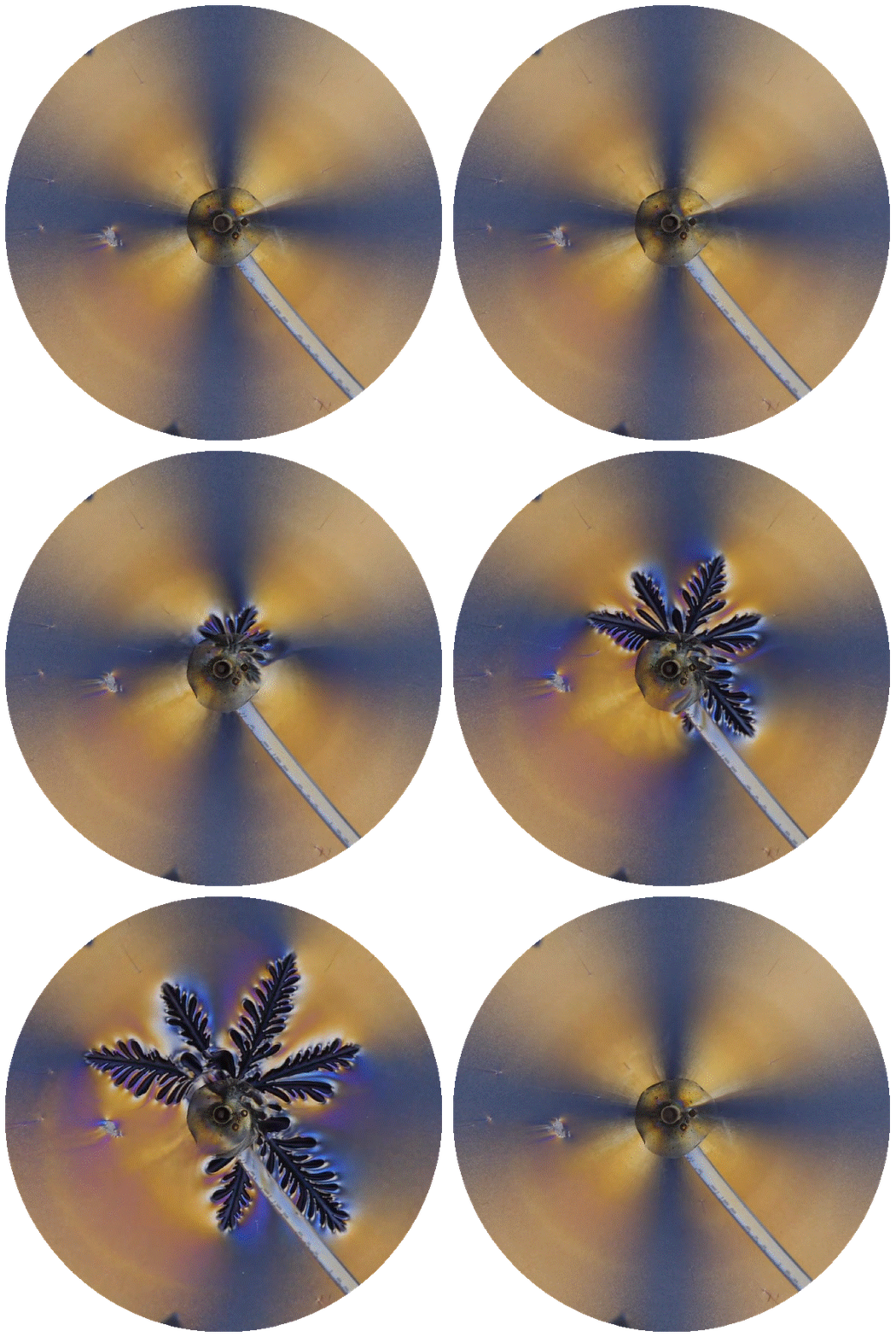
Flow-induced alignment changes the anisotropy of a nematic liquid crystal and steers viscous fingering from dense branching toward stable dendrites. A scaling relation links the competition between viscous forcing and elastic relaxation to the selected growth pattern.
Read paper ↗
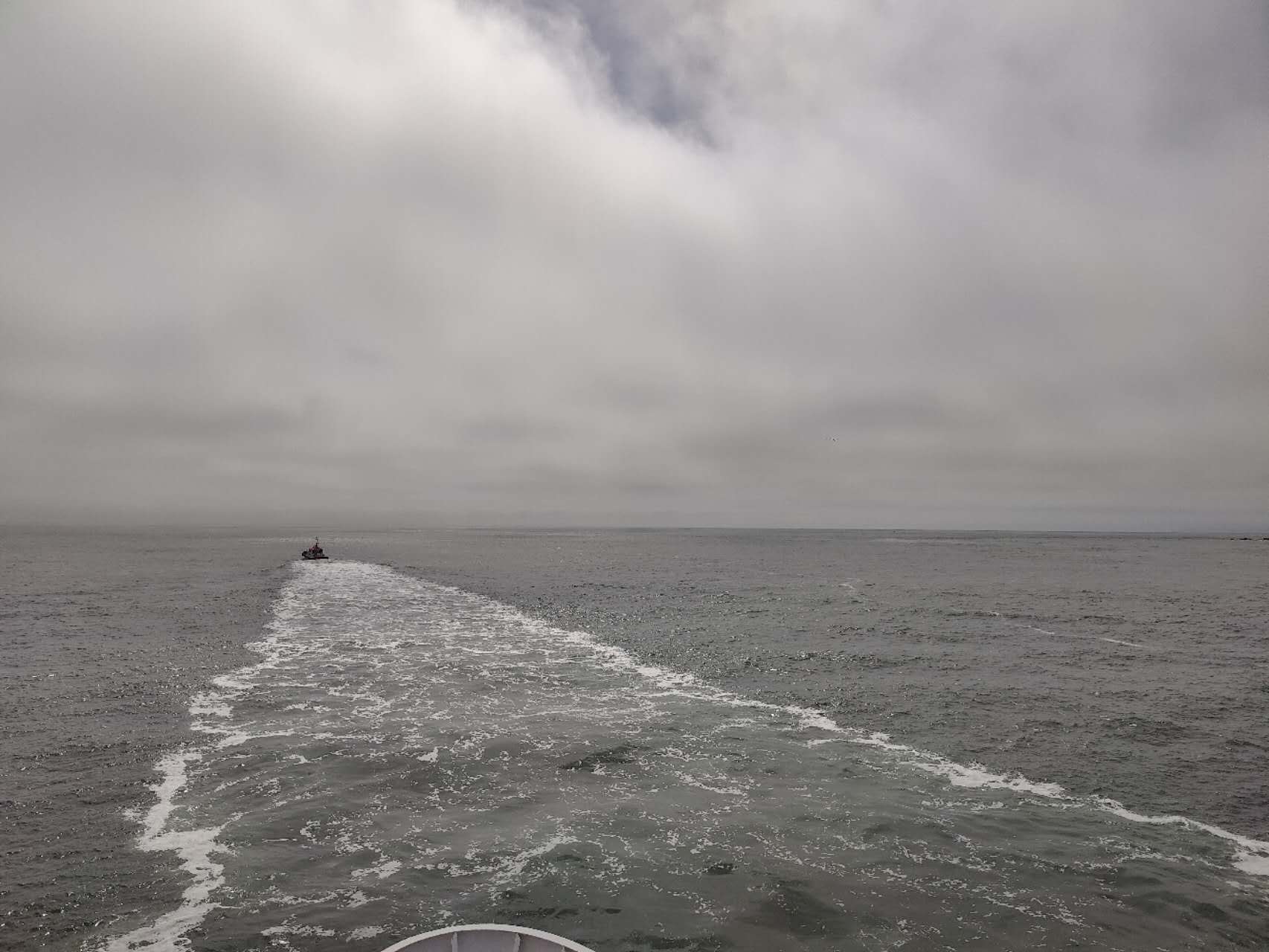
Aboard R/V Sikuliaq | June-July 2023
Participated in a 45-day Arctic expedition to study the "Tale of Three Systems." Conducted custom sub-zero temperature microscopy to investigate ice diatom motility and physiology directly in the field.
Aboard R/V Kilo Moana | June 2024
Investigated virus infection dynamics at the interface of sinking, turbulence, and aggregation. This cruise focused on understanding the mechanics of carbon export in the open ocean.
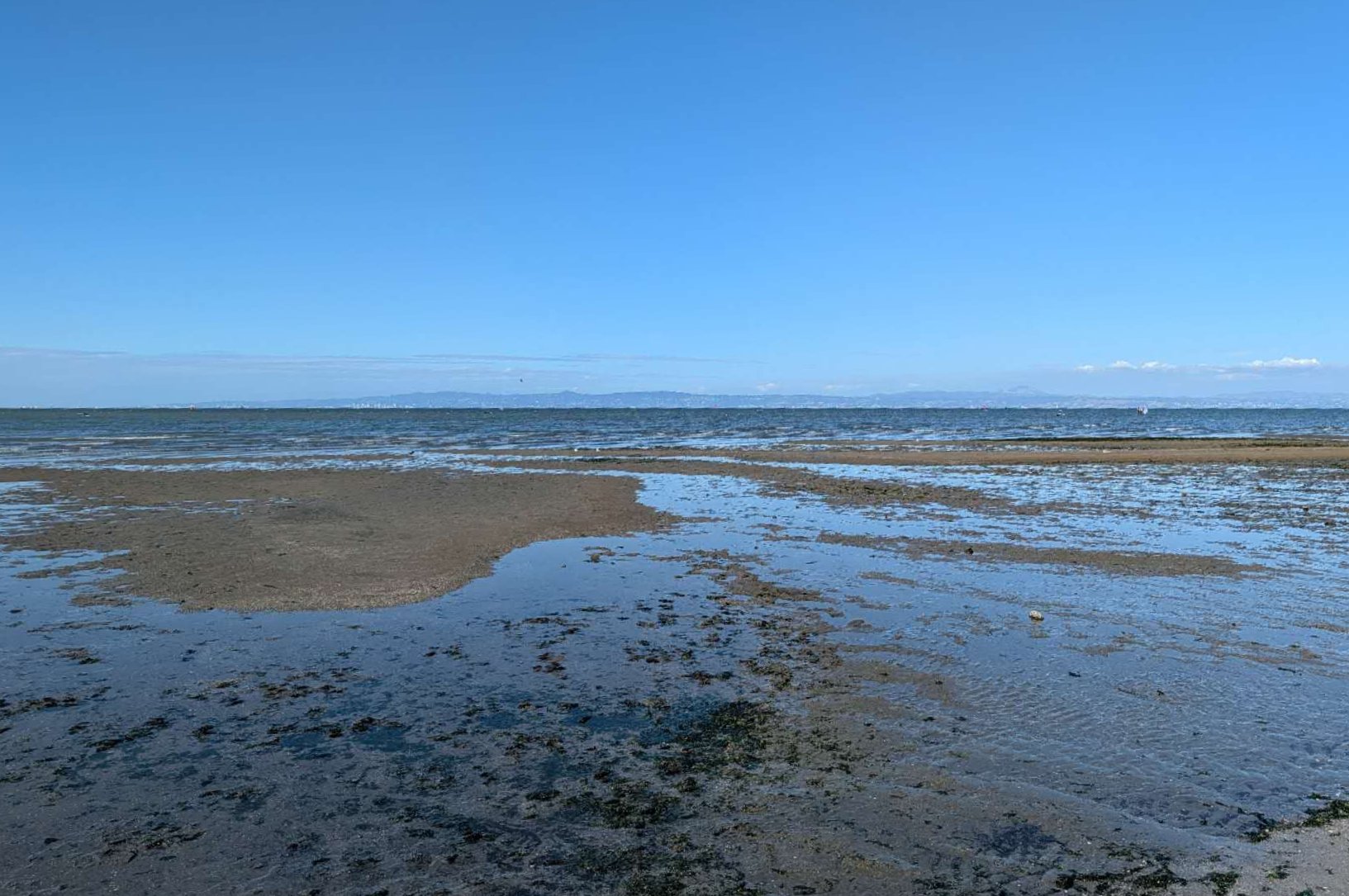
Intertidal Zones, CA
Field studies on intertidal mudflats to map ecosystem-scale active nematic phases of diatom communities. Documented self-propagating trigger waves and rapid colonization events in natural environments.
From the field
Life, landscapes, and discovery, from Arctic sea ice to the open Pacific.

Undergraduate-level thermodynamics, heat transfer, and fluid mechanics.
Undergraduate-level thermodynamics, heat transfer, and fluid mechanics.
Undergraduate-level solid mechanics.
Undergraduate-level thermodynamics, heat transfer, and fluid mechanics.