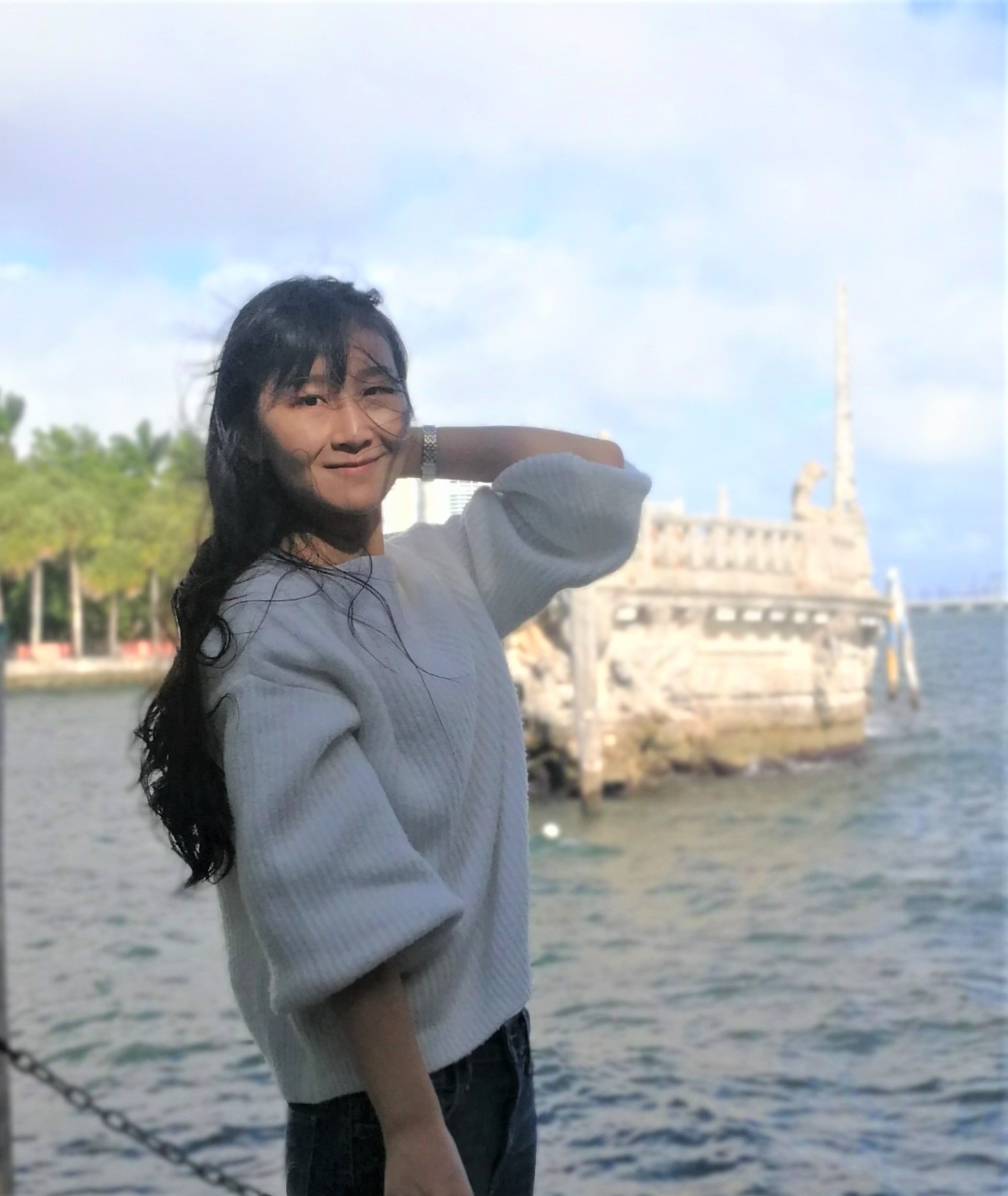
Qing (Andie) Zhang
Pattern Formation in
Complex and Living Systems
My research integrates complex fluid mechanics, soft and active matter physics, and microbial ecology to reveal the mechanisms that drive pattern formation across scales.
About Me
I am currently a Postdoctoral Scholar at Stanford University in the Prakash Lab, where my work sits at the interface of soft matter physics and microbial ecology. I received my PhD in Mechanical Engineering from MIT in 2022, specializing in Thermal-Fluids and Materials Science.
My research journey is driven by a blend of curiosity-driven science and nature-inspired engineering. From macroscopic pattern formation and microscopic molecular assemblies in fluid instabilities, to ecosystem-scale patterns, I am fascinated by the physical rules that govern nature's design. My goal is to apply these fundamental principles to develop new engineering tools for environmental and energy challenges.
Beyond the Bench
Science does not exist in a vacuum. I am passionate about connecting scientific discovery with the broader community and the arts. Outside of the lab, I enjoy hiking and basketball.
Science-Art: "Insight: Multiverse"
Musicalizing Fluid Dynamics: Collaborated with Dr. Irmgard Bischofberger and composer Dr. David Ibbett to translate my research on fluid instabilities into a musical composition performed at MIT and the Museum of Science, Boston.
Community Engagement
Scroll to explore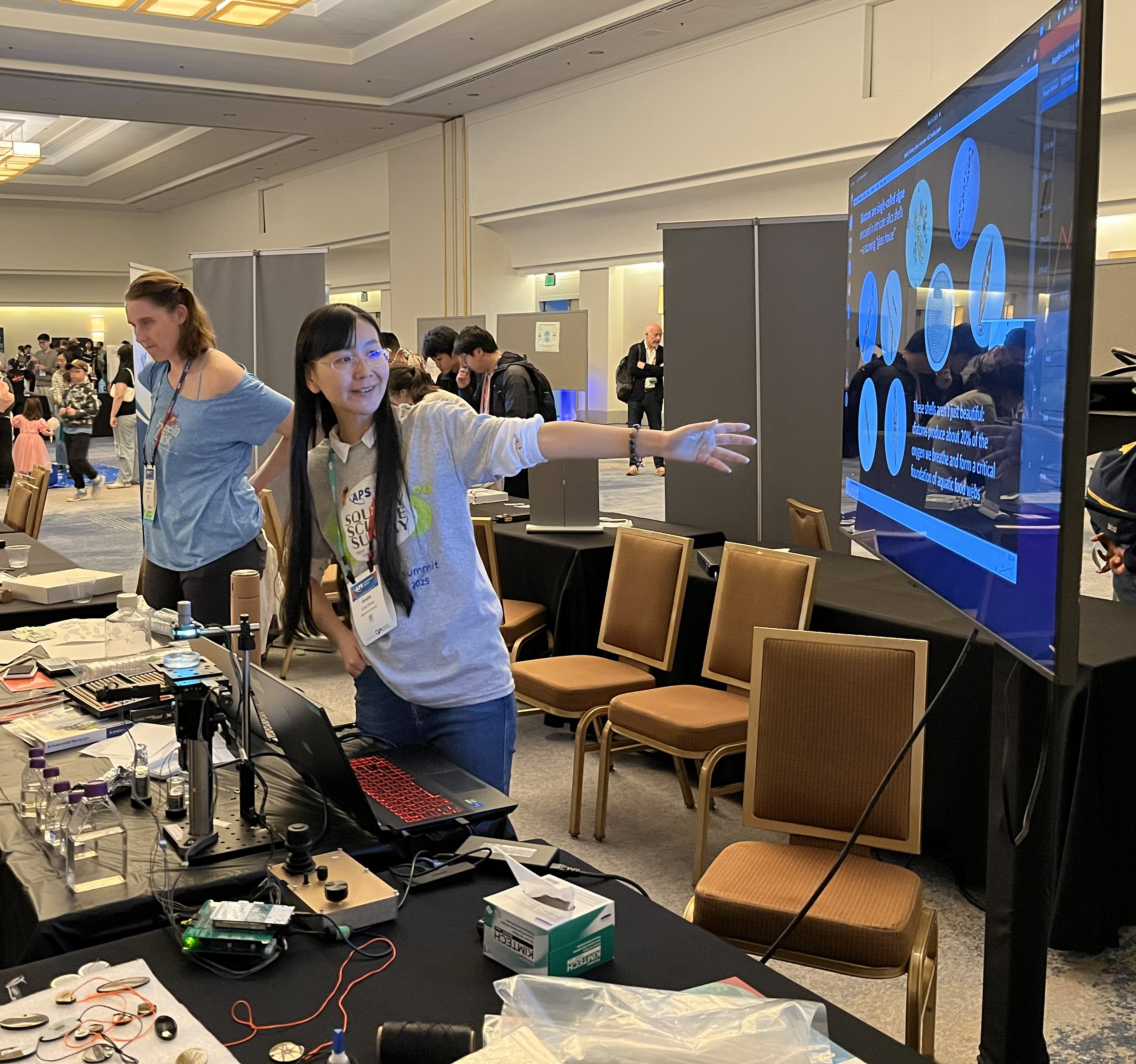
APS Squishy Science
Activity Leader
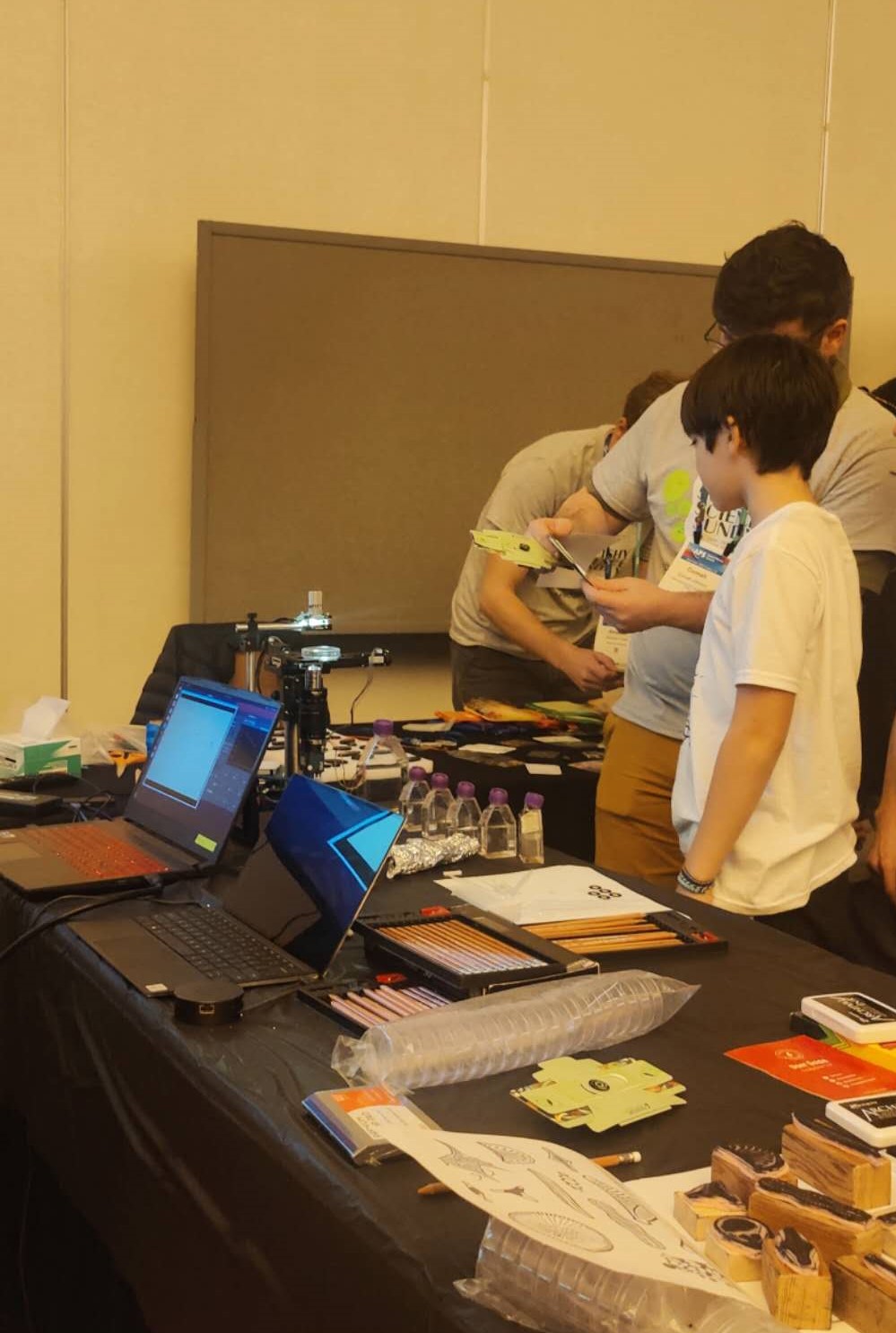
APS Squishy Science
Activity Leader
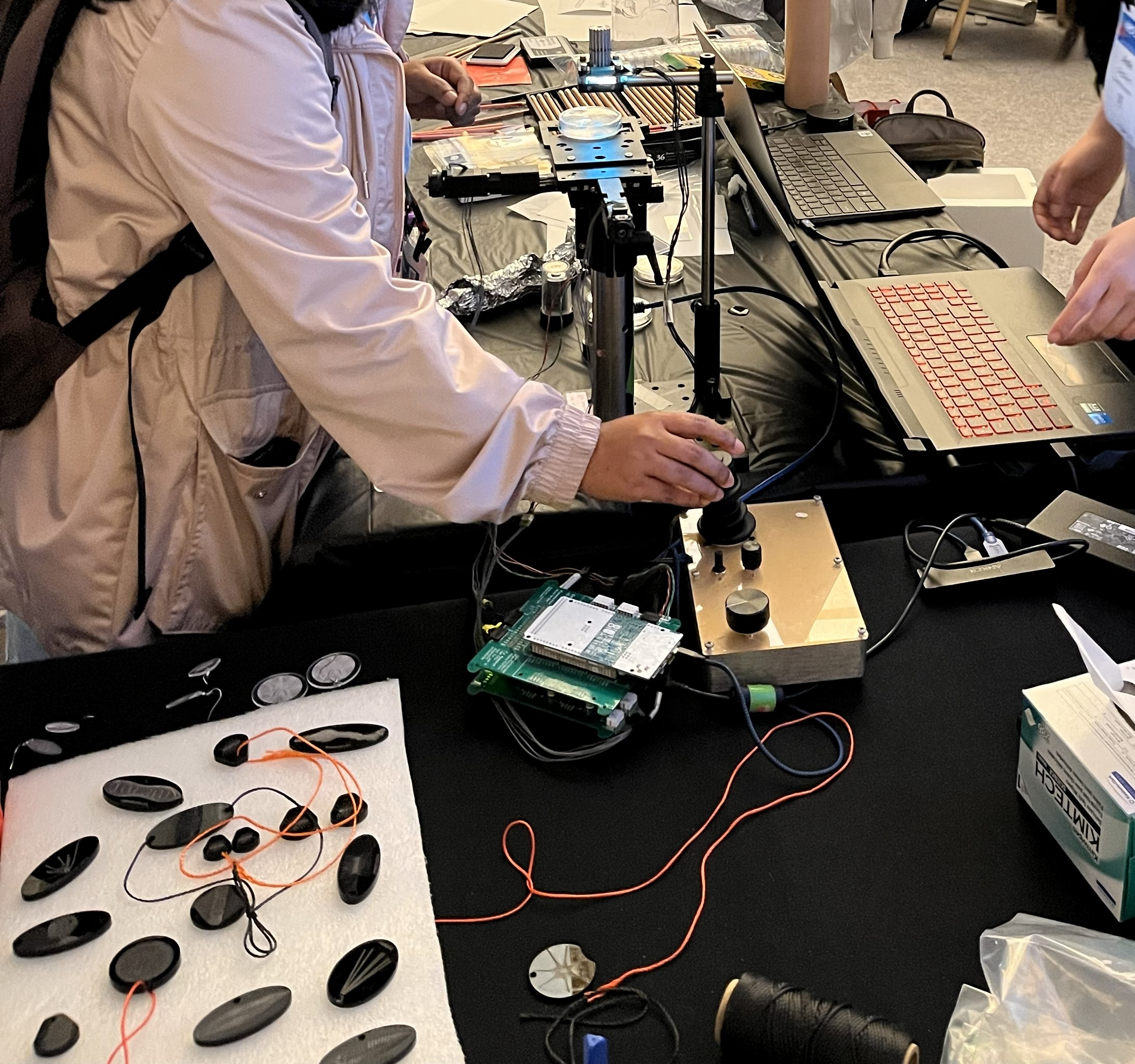
APS Squishy Science
Activity Leader
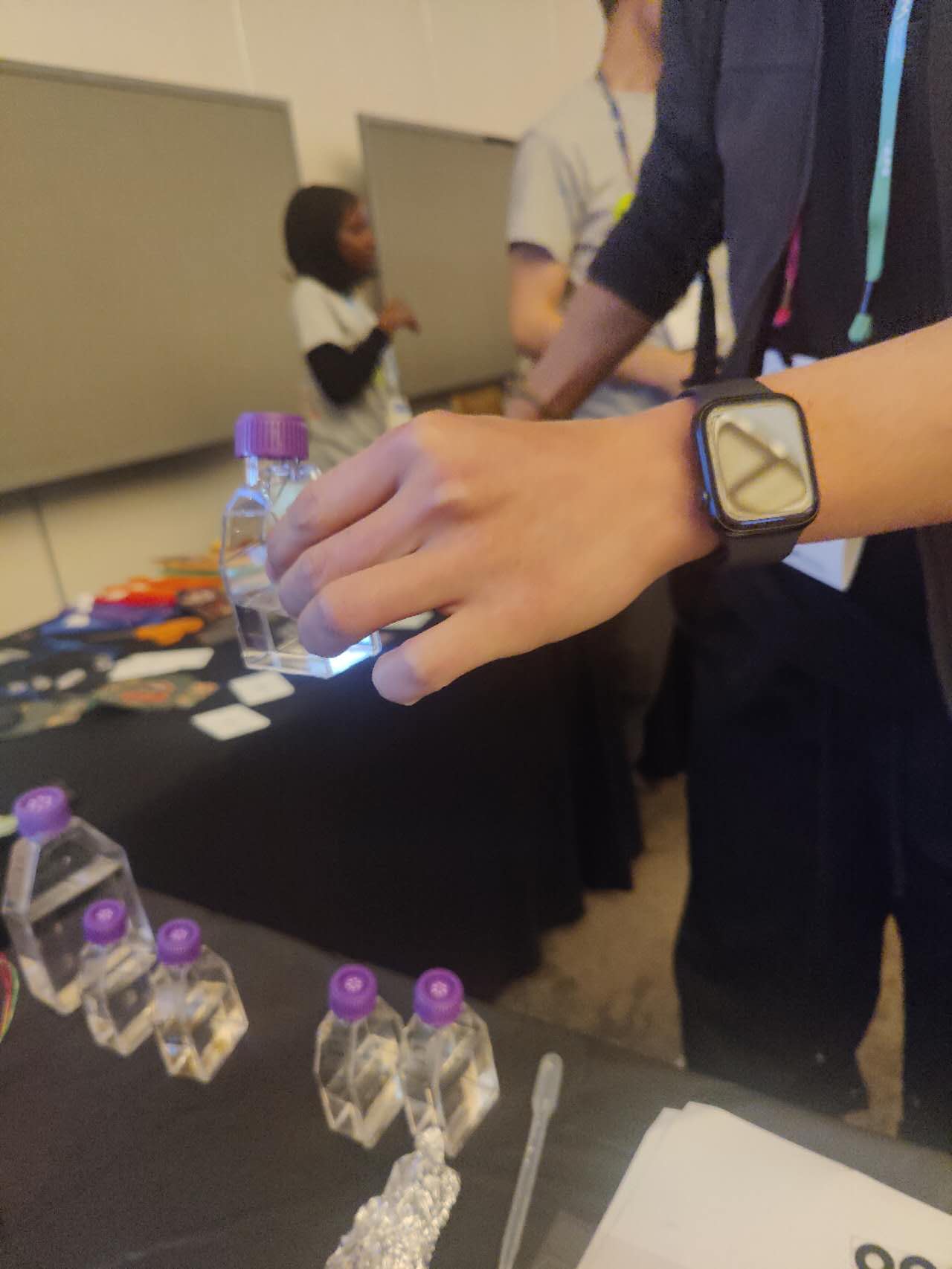
APS Squishy Science
Activity Leader
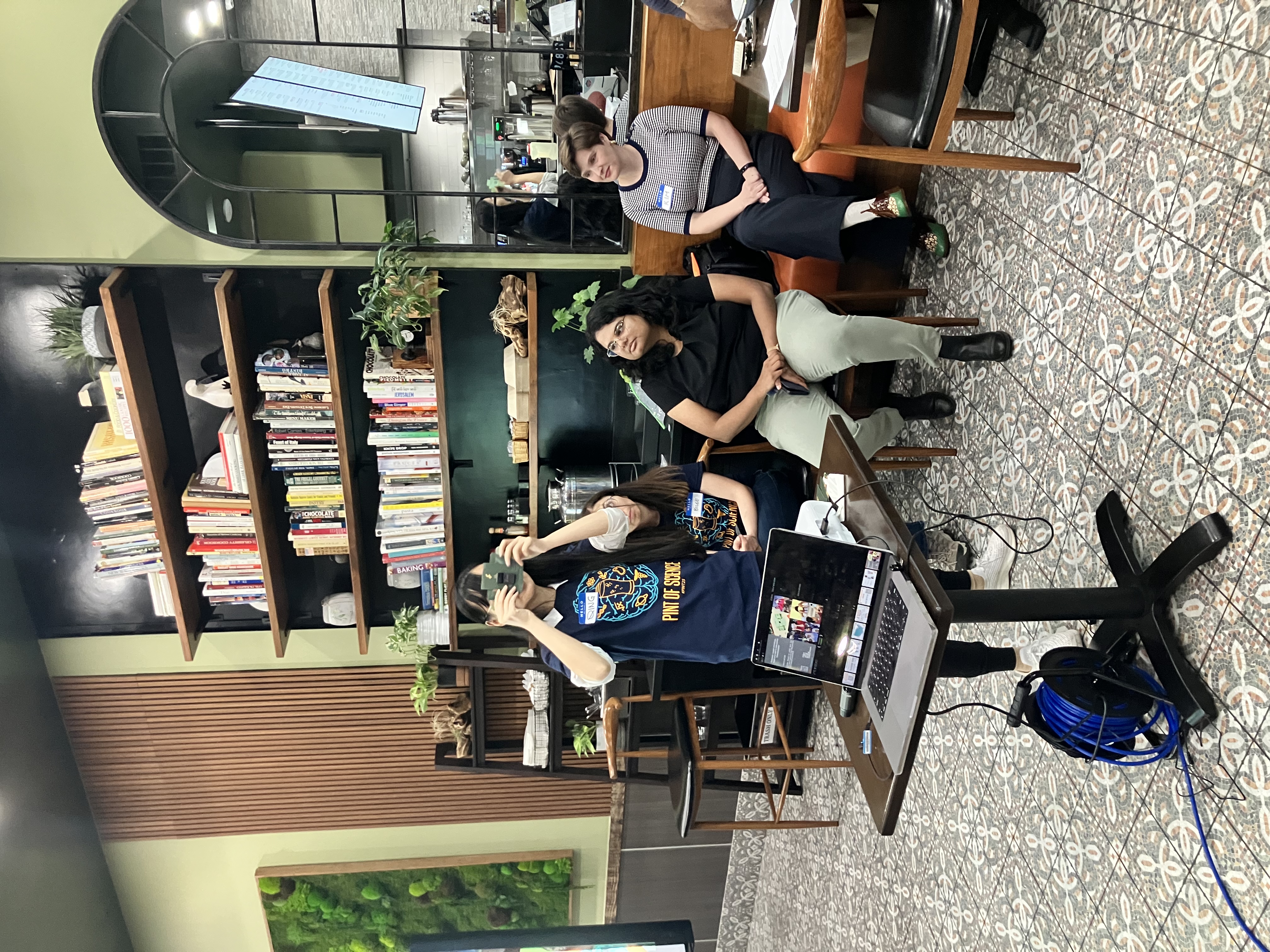
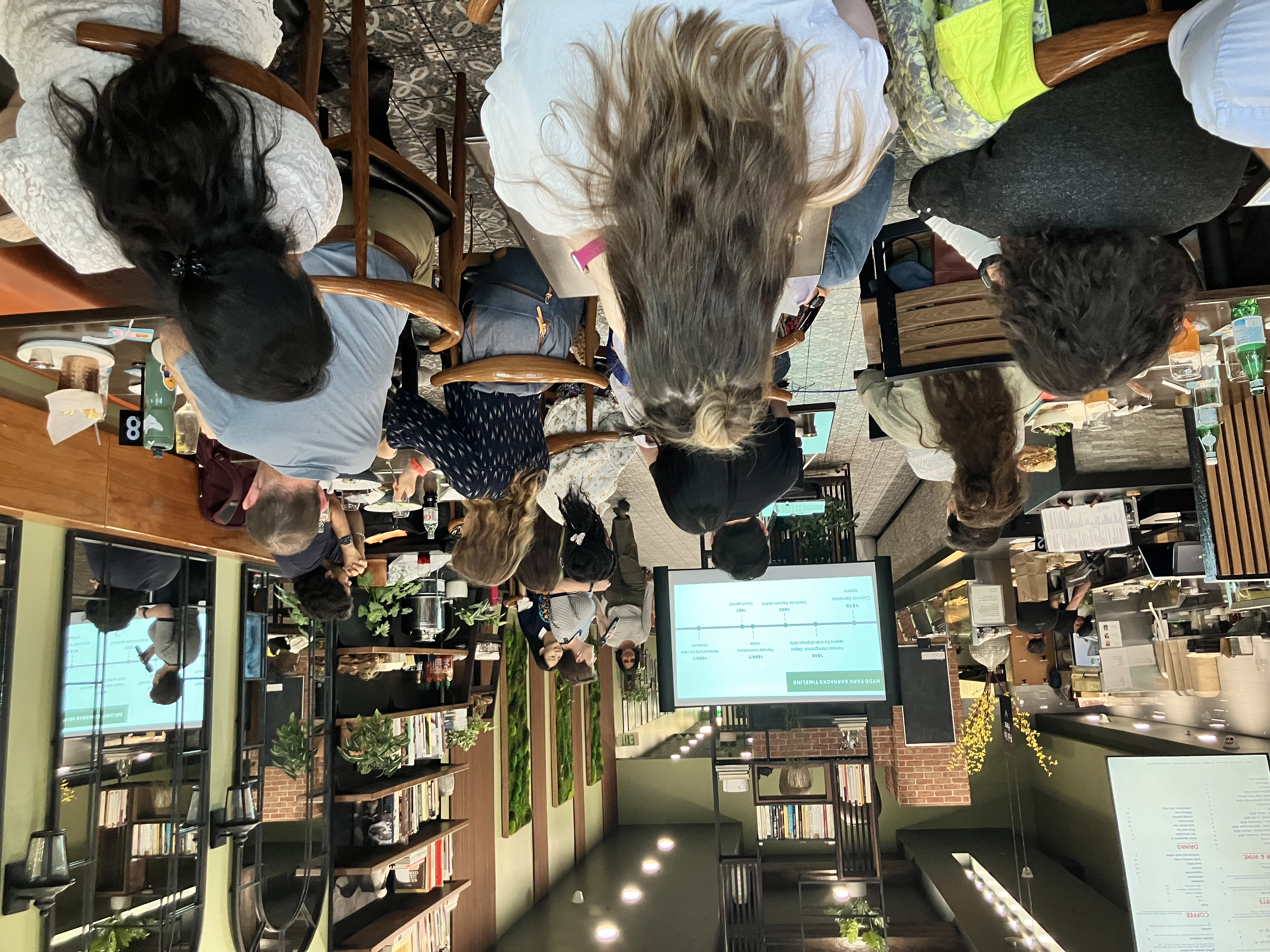
Pint of Science
Event Manager
Pint of Science
Event Manager
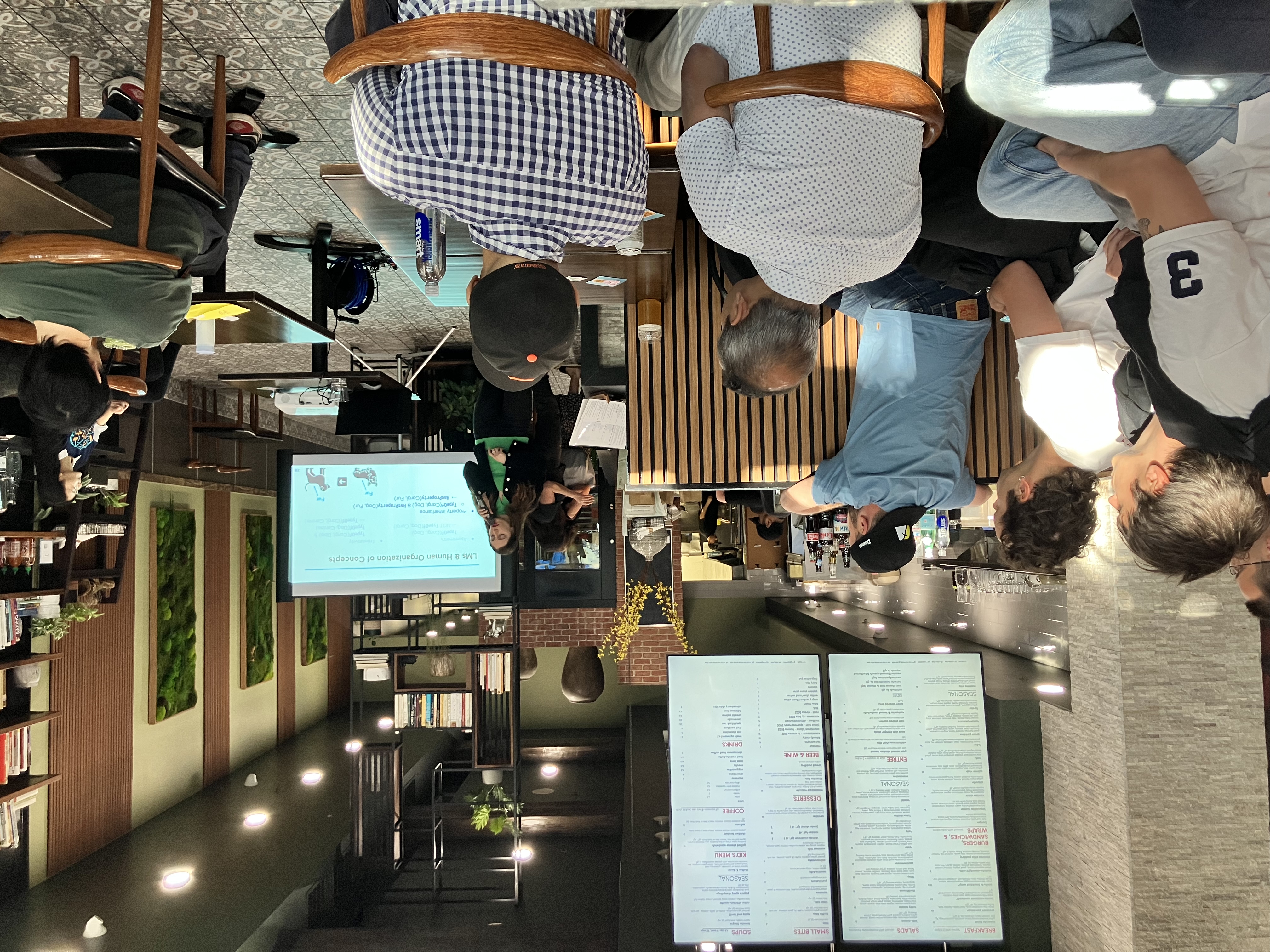
Pint of Science
Event Manager

Pint of Science
Event Manager
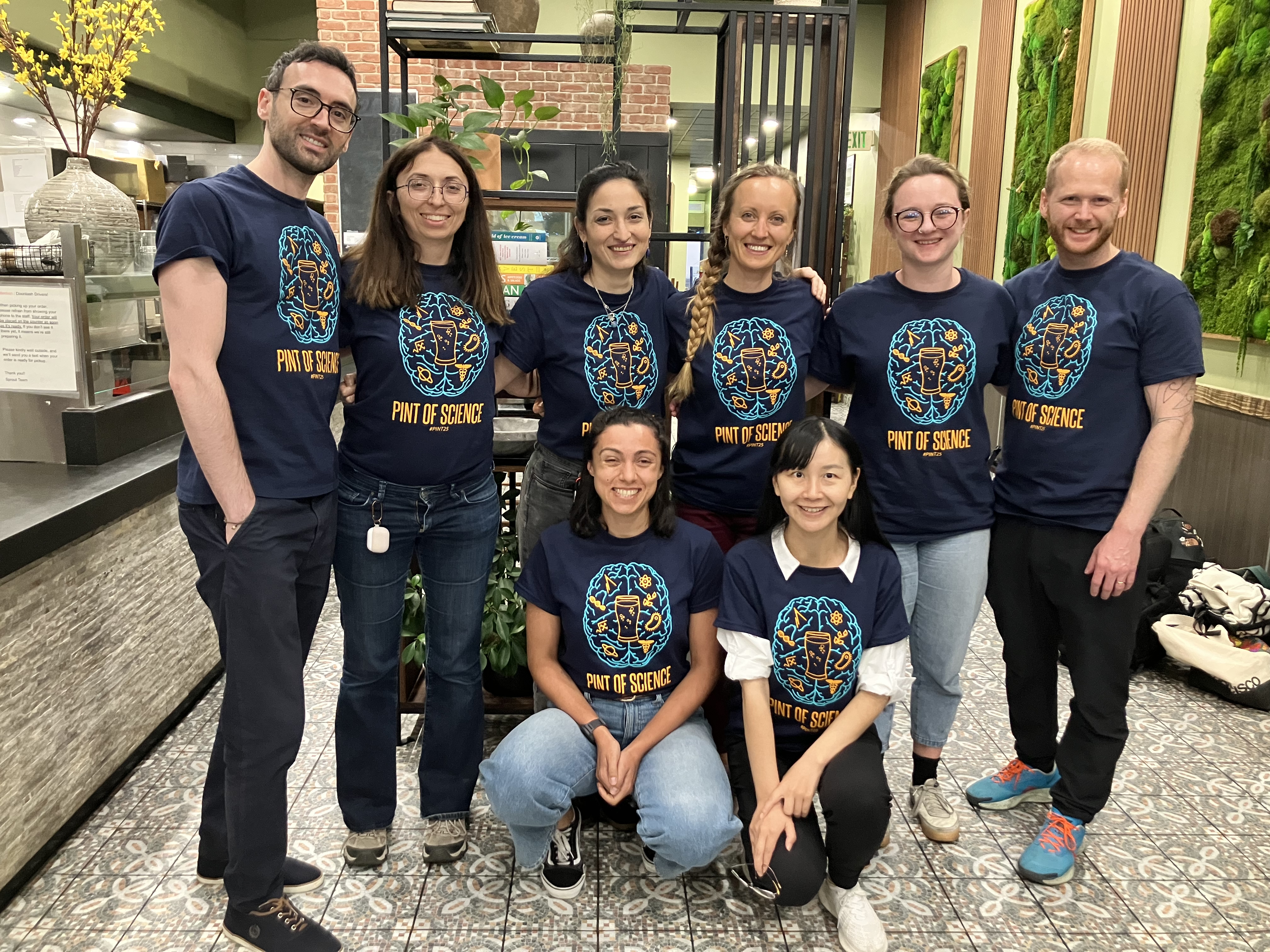
Pint of Science
Event Manager
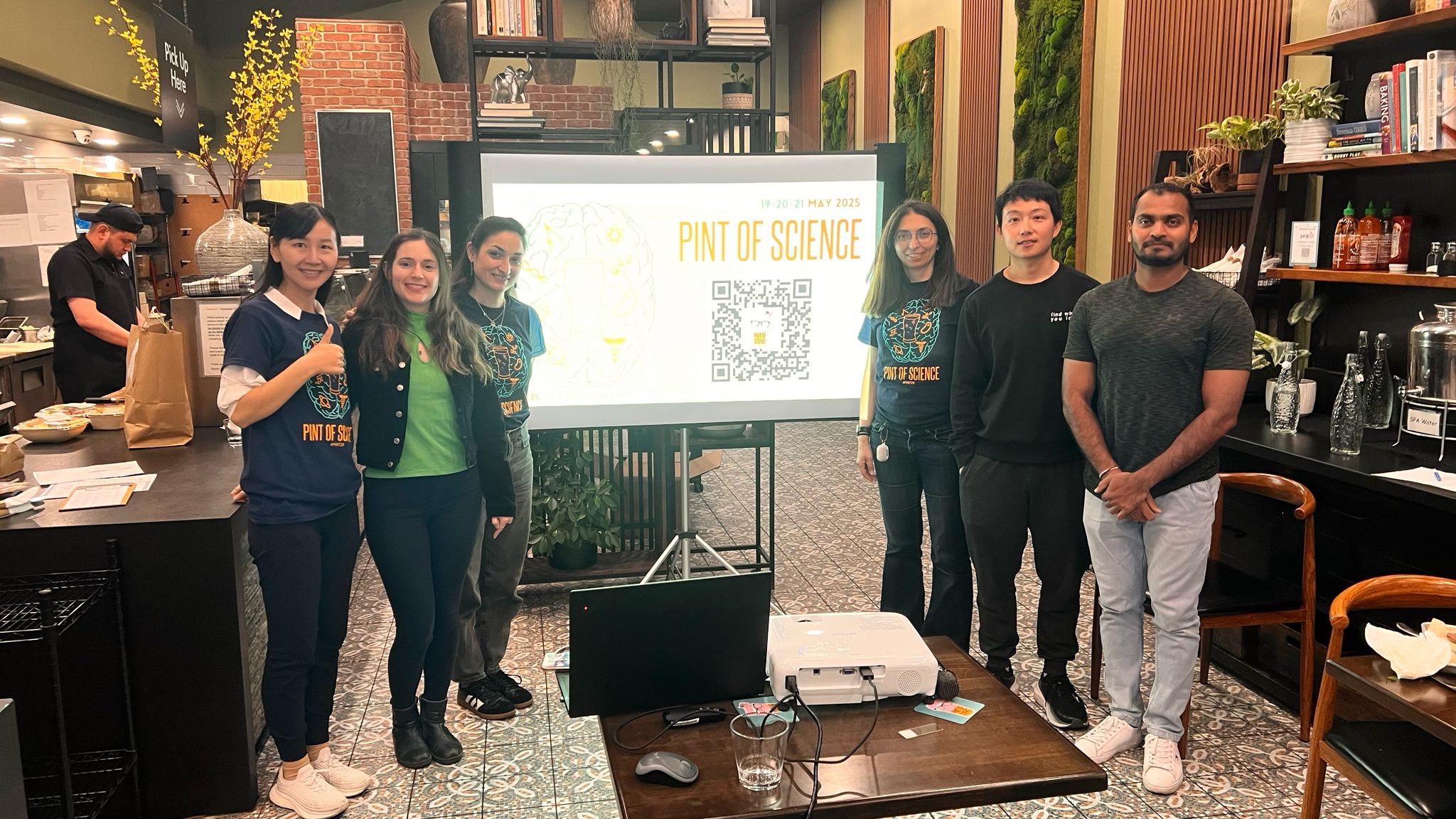
Pint of Science
Event Manager
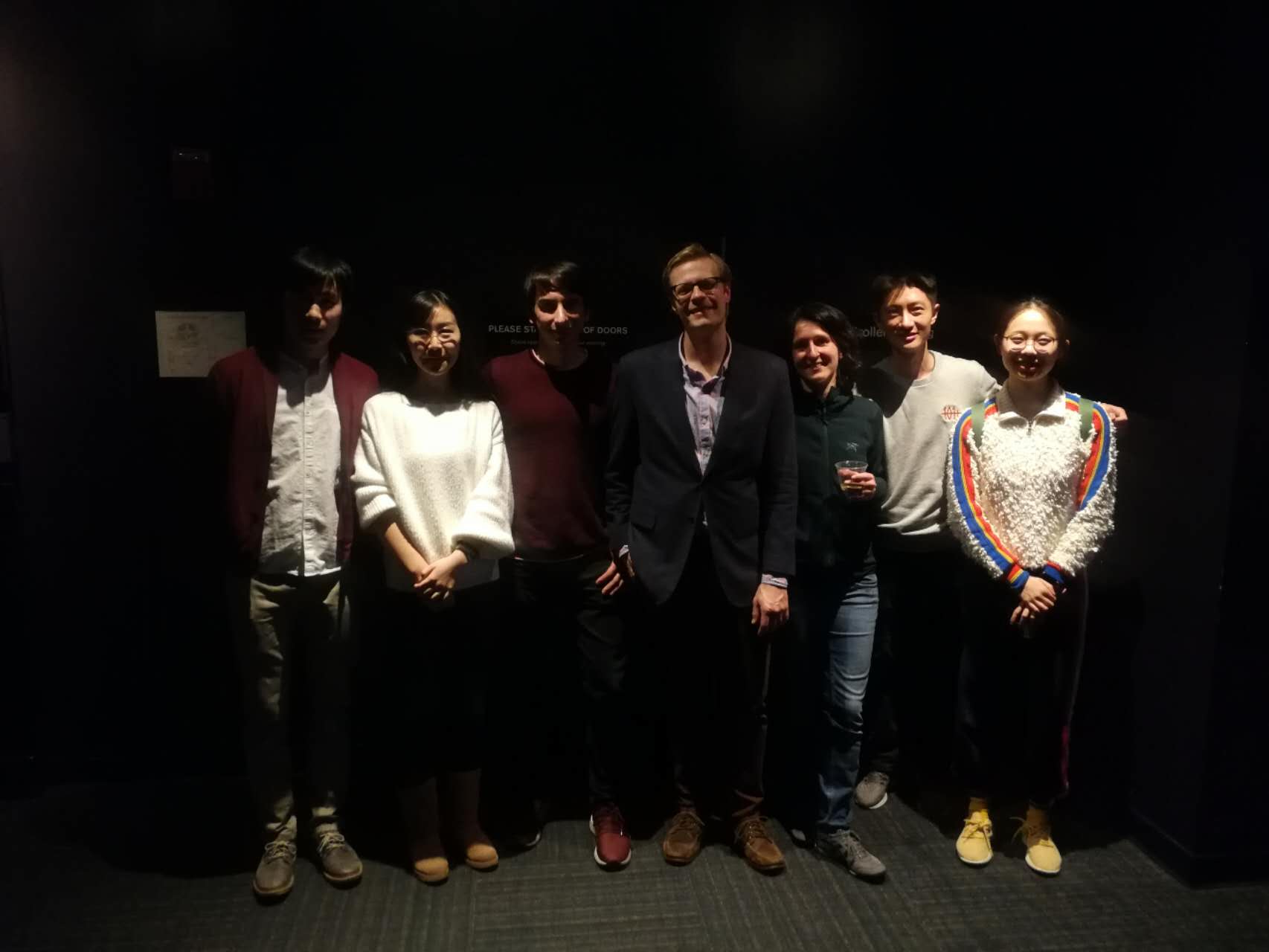
Museum Performance
Science Communication
Academic Leadership
MIT Microprojects Club
2019-2022Co-founder & President
Founded and led a student organization to connect MIT students with industry-sourced course projects. Established collaborations with companies including MathWorks and Schlumberger-Doll Research Center to bridge the gap between academic theory and real-world application.
Research Gallery
Multiscale pattern formation in fluids, soft matter, and living systems.
Fluid Instabilities & Patterning
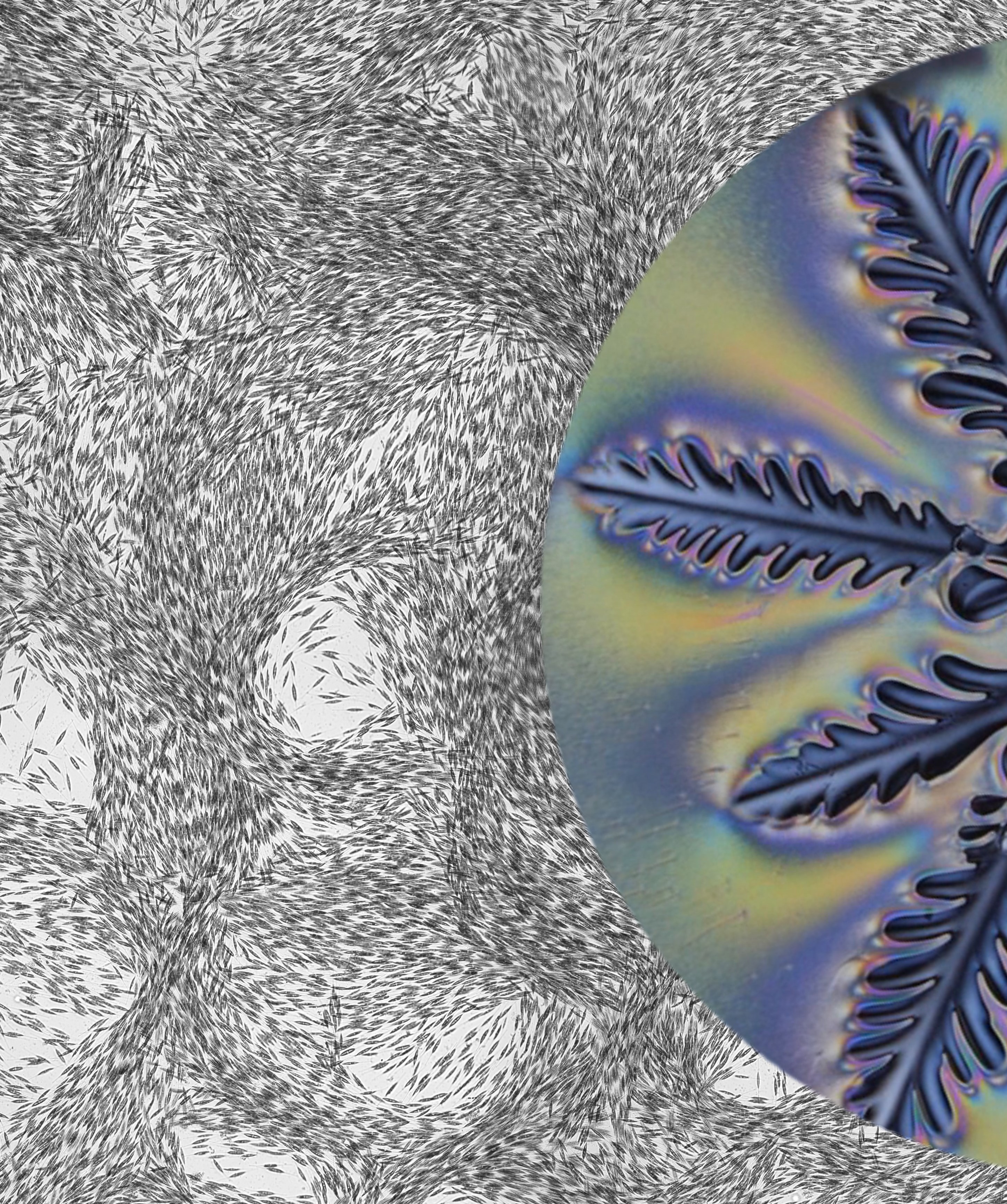
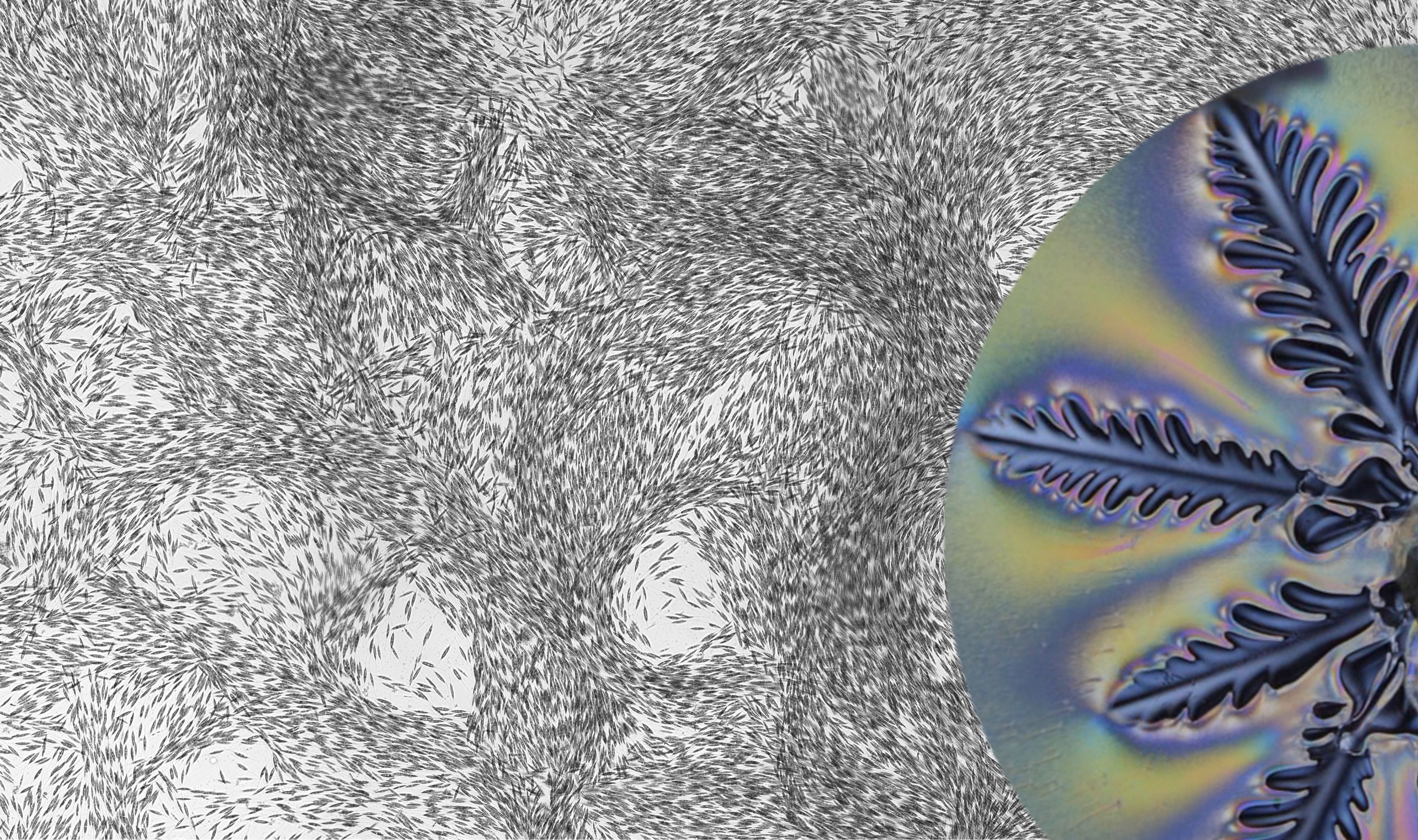
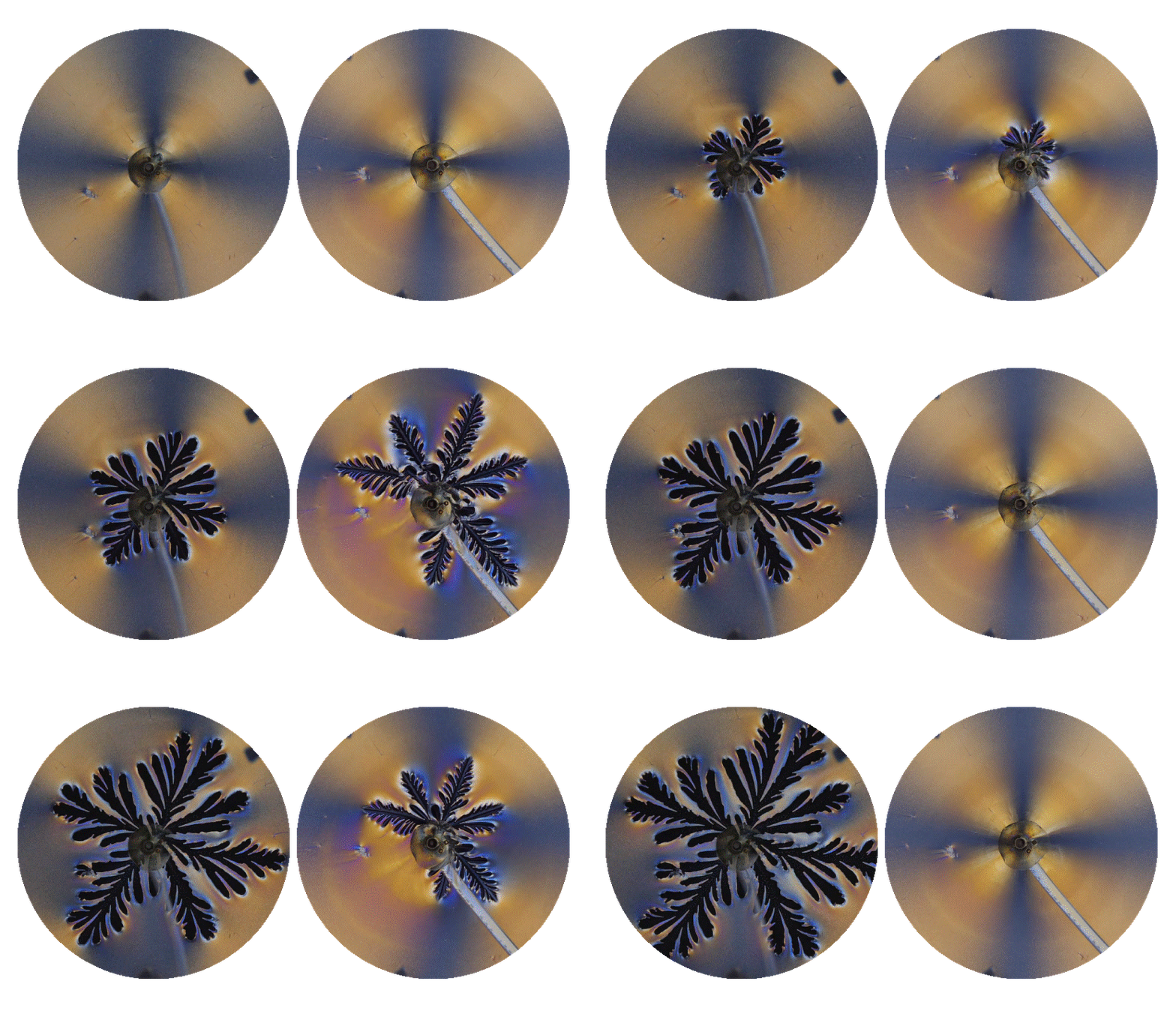
Focusing on viscous fingering as a design tool to pattern anisotropic media, and investigating flow-induced structures in Lyotropic Chromonic Liquid Crystals (LCLCs). My work reveals how environmental and intrinsic anisotropy steer unstable growth into ordered structures like dendrites and chiral domains.
Microbial Ecology & Marine Biology
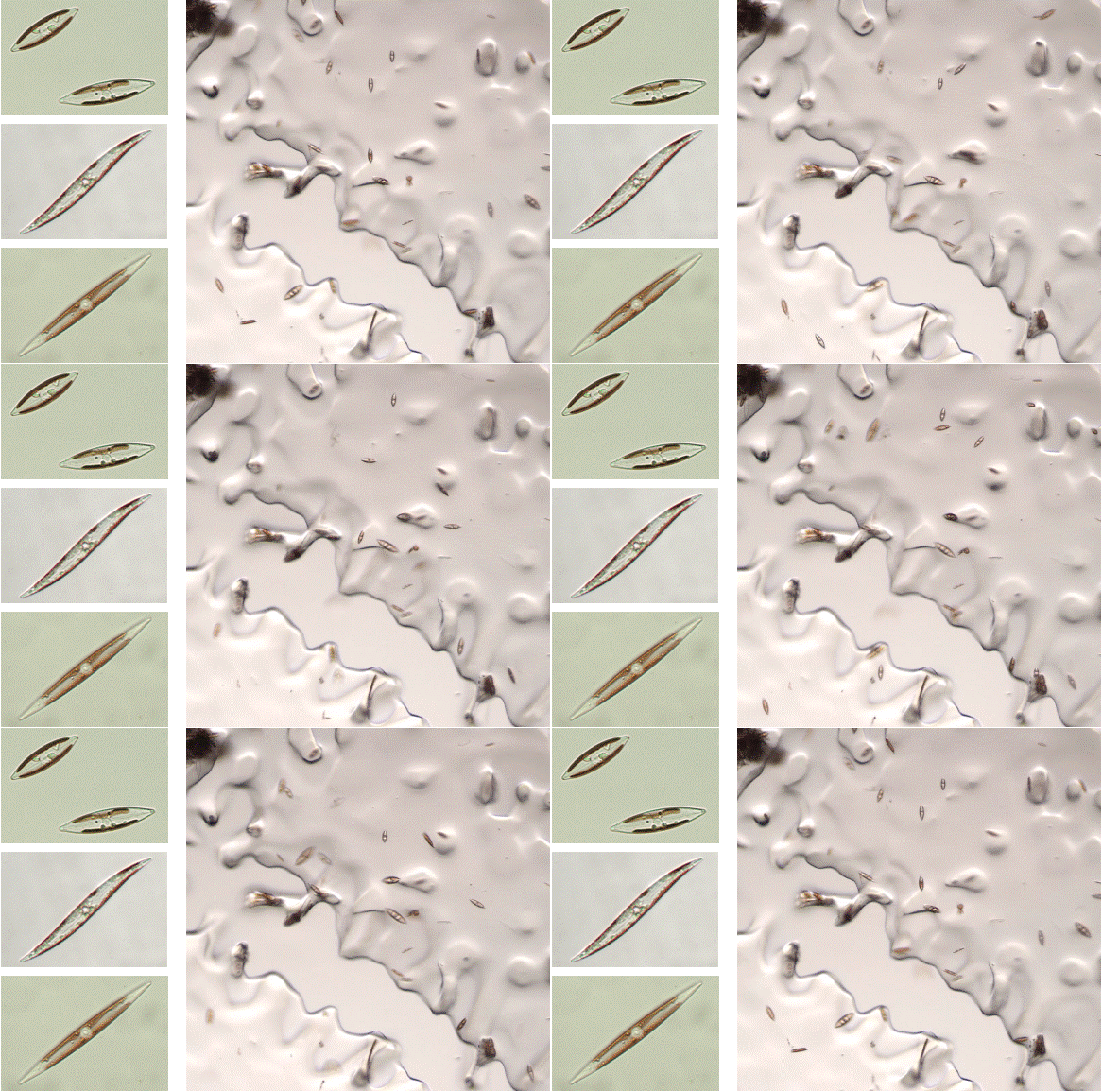
Investigating the biophysics of Sea Ice and Marine Diatoms across scales. My work spans the mechanics of ice gliding motility, sea ice nucleation and growth in the context of polar diatoms, the genomic basis of cryo-adaptation, and buoyancy-regulated vertical migration, linking cellular behavior to global carbon cycles.
Soft & Active Matter
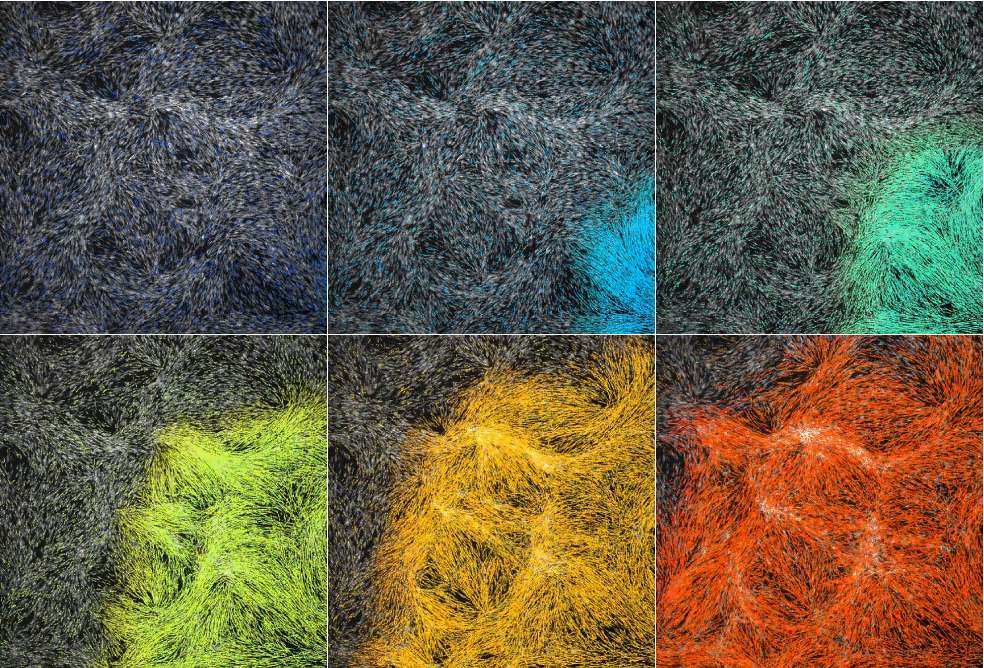
Decoding active matter in biological and physical systems. My research uncovers active nematics in ecosystems, where diatoms self-organize for rapid colonization, and investigates active foam networks, showing how motility drives topological remodeling in constrained environments.
Fluid Instabilities & Patterning
Viscous fingering and flow-induced structures in anisotropic systems.
Instability as a design tool for patterning
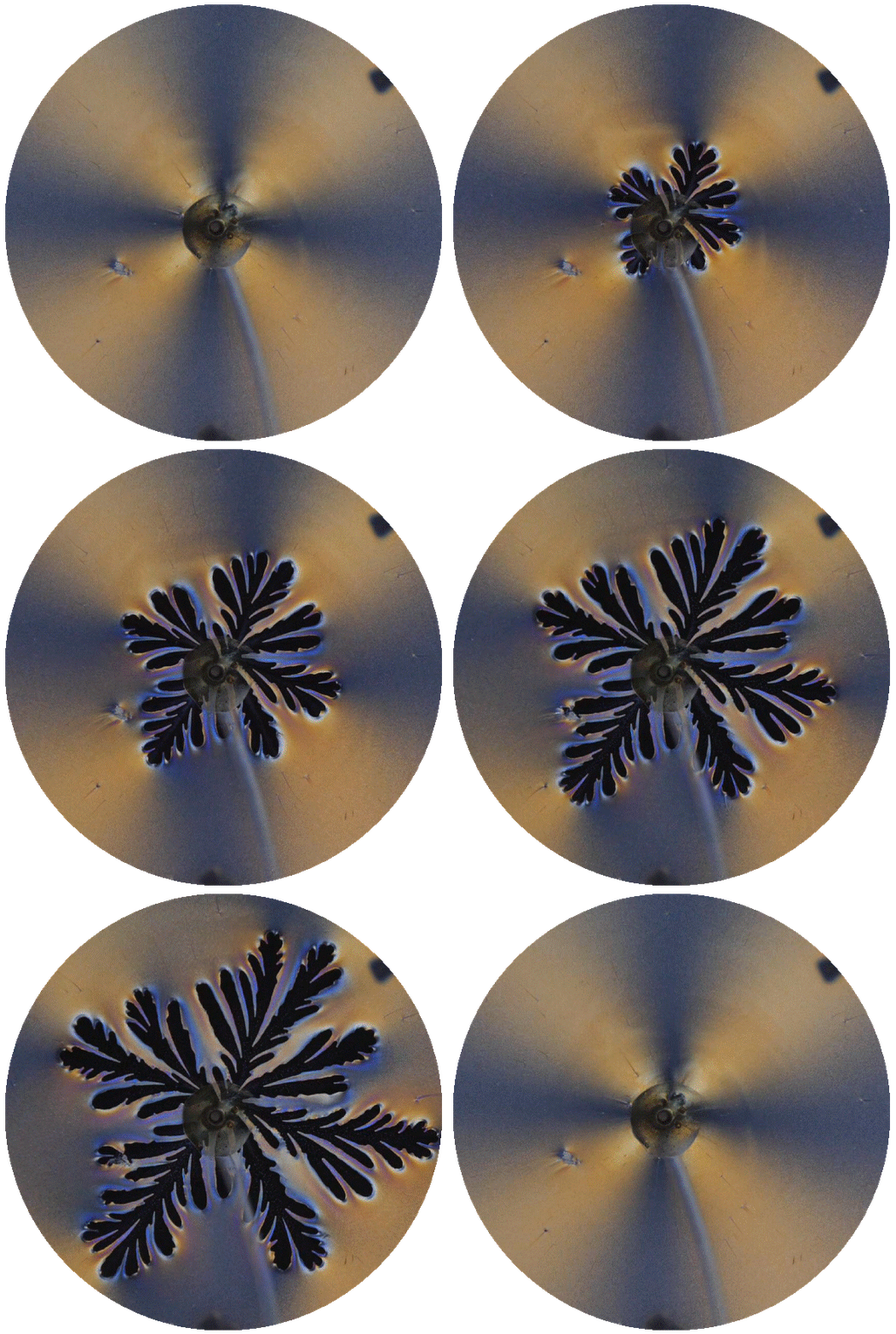
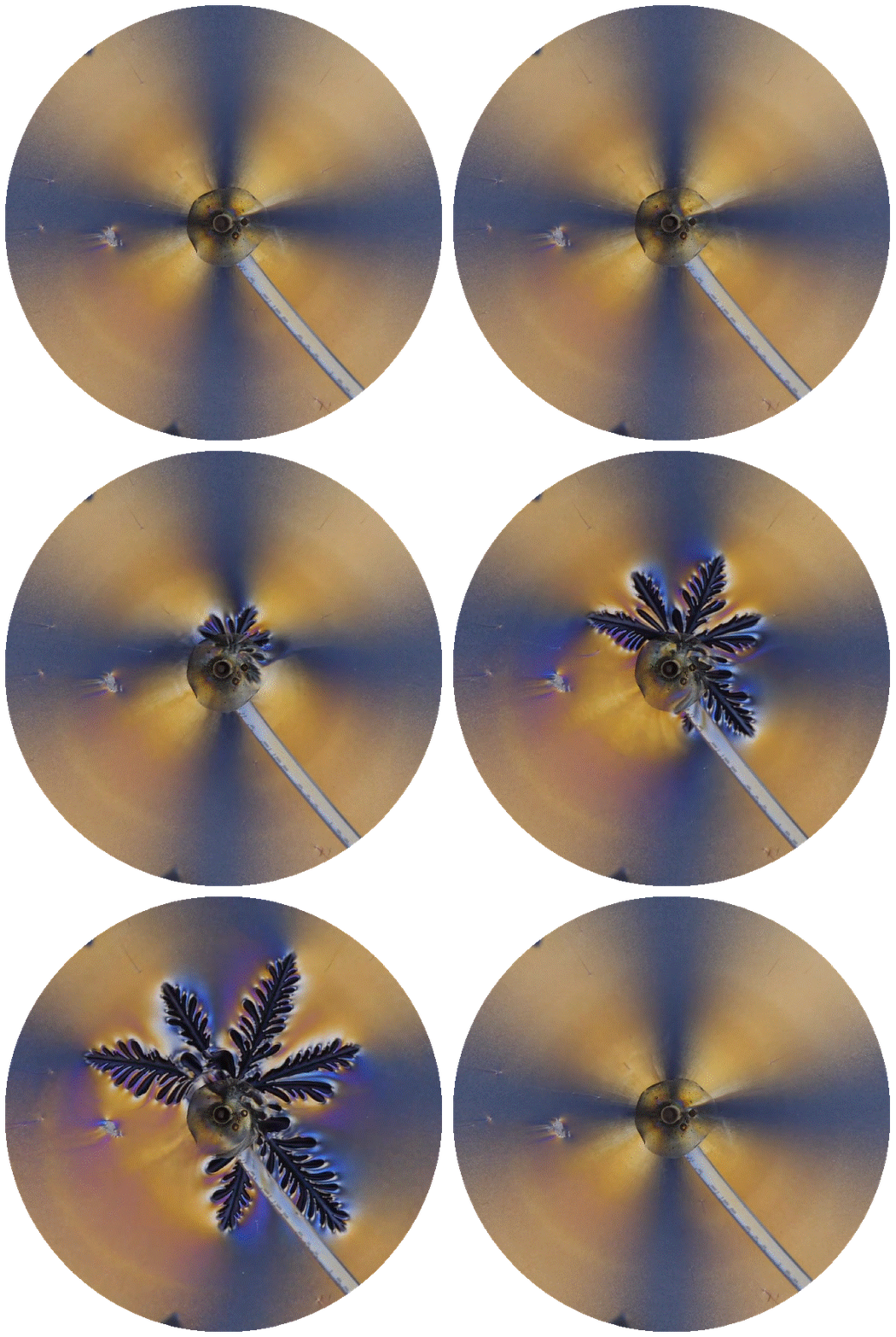
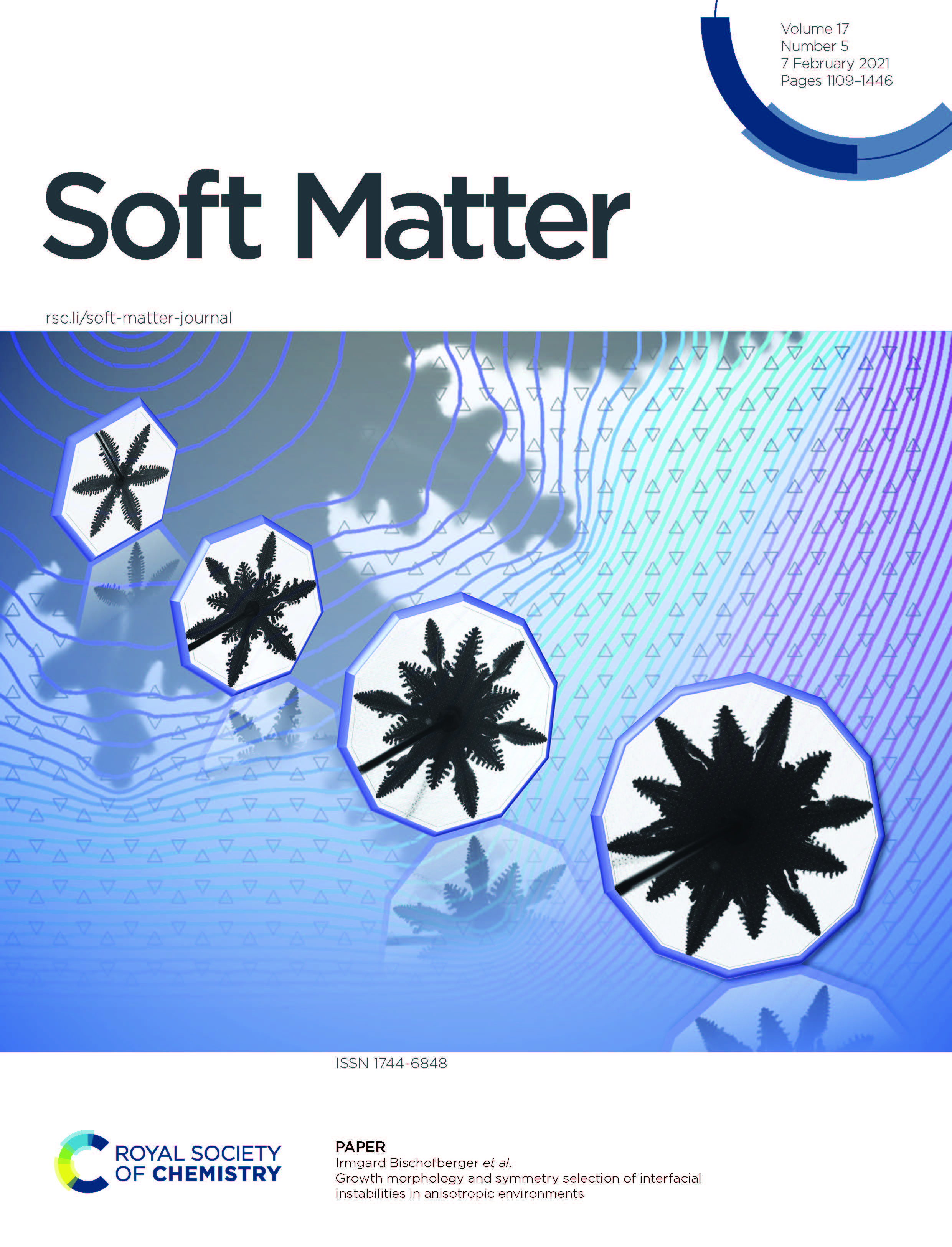
From dendritic snowflakes to river networks, nature ‘fabricate’ complex structures using instabilities characterized by self-amplified growth of small perturbations. The practical challenge is to steer such unstable growth into useful forms. We developed strategies to use viscous fingering, an interfacial instability when a less viscous fluid displaces a more viscous one in a confined environment, as a controllable writer of structure in anisotropic media. Using Hele-Shaw cells with engraved lattices (impose environmental anisotropy) and nematic lyotropic chromonic liquid crystals (supply intrinsic material anisotropy), we switched growth morphology from dense branches to stable dendrites. We then derived scaling rules for both mechanisms: with environmental anisotropy, the transition is governed by viscosity ratio and the degree of anisotropy in permeability; with intrinsic anisotropy, it is set by a single dimensionless ratio comparing flow‑induced viscous torque to molecular elastic relaxation. These results guide pattern fabrication and motivate applications in analogous systems with gradient-driven interfacial dynamics, such as directional solidification or template-assisted electrodeposition.
Flow-elastic coupling writes microstructures

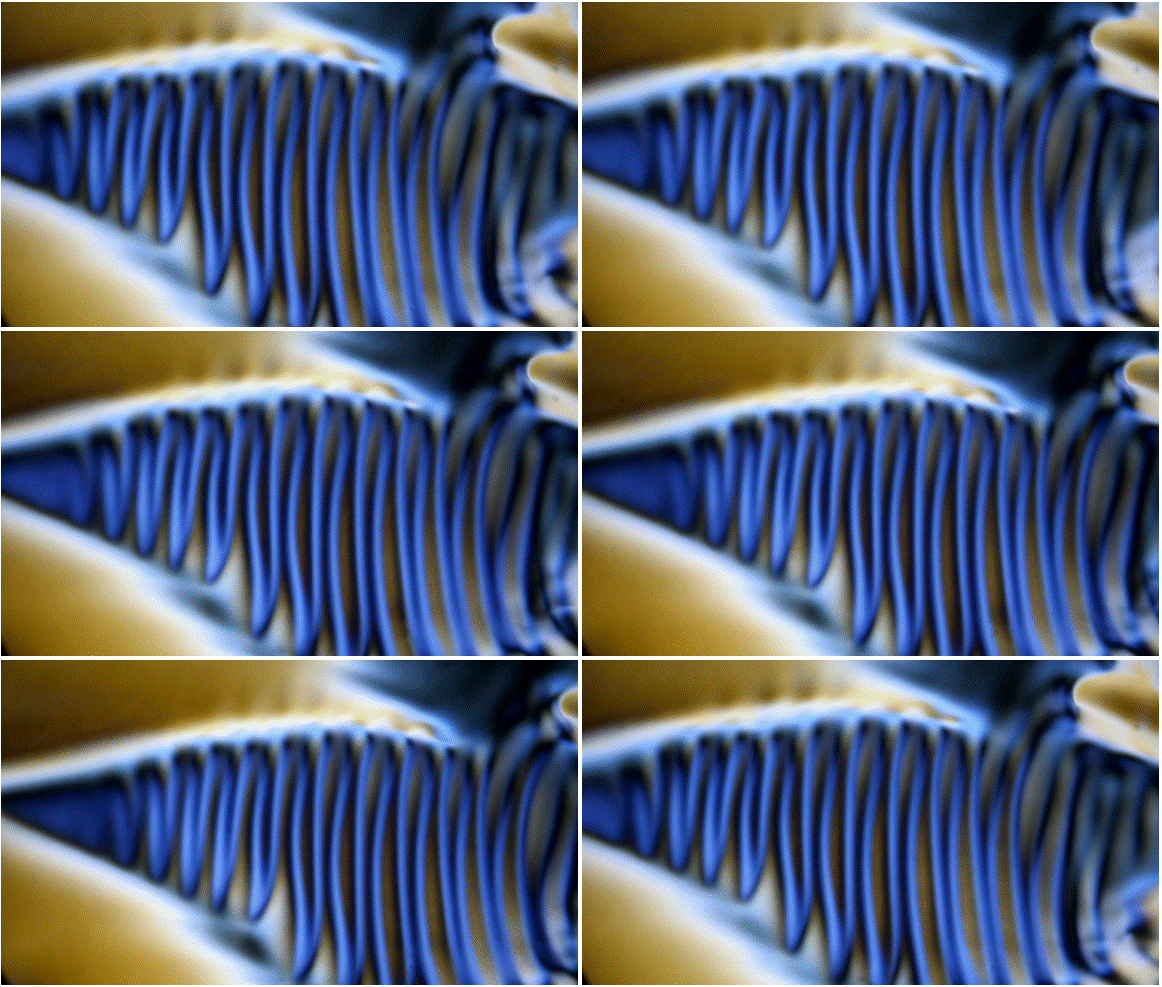
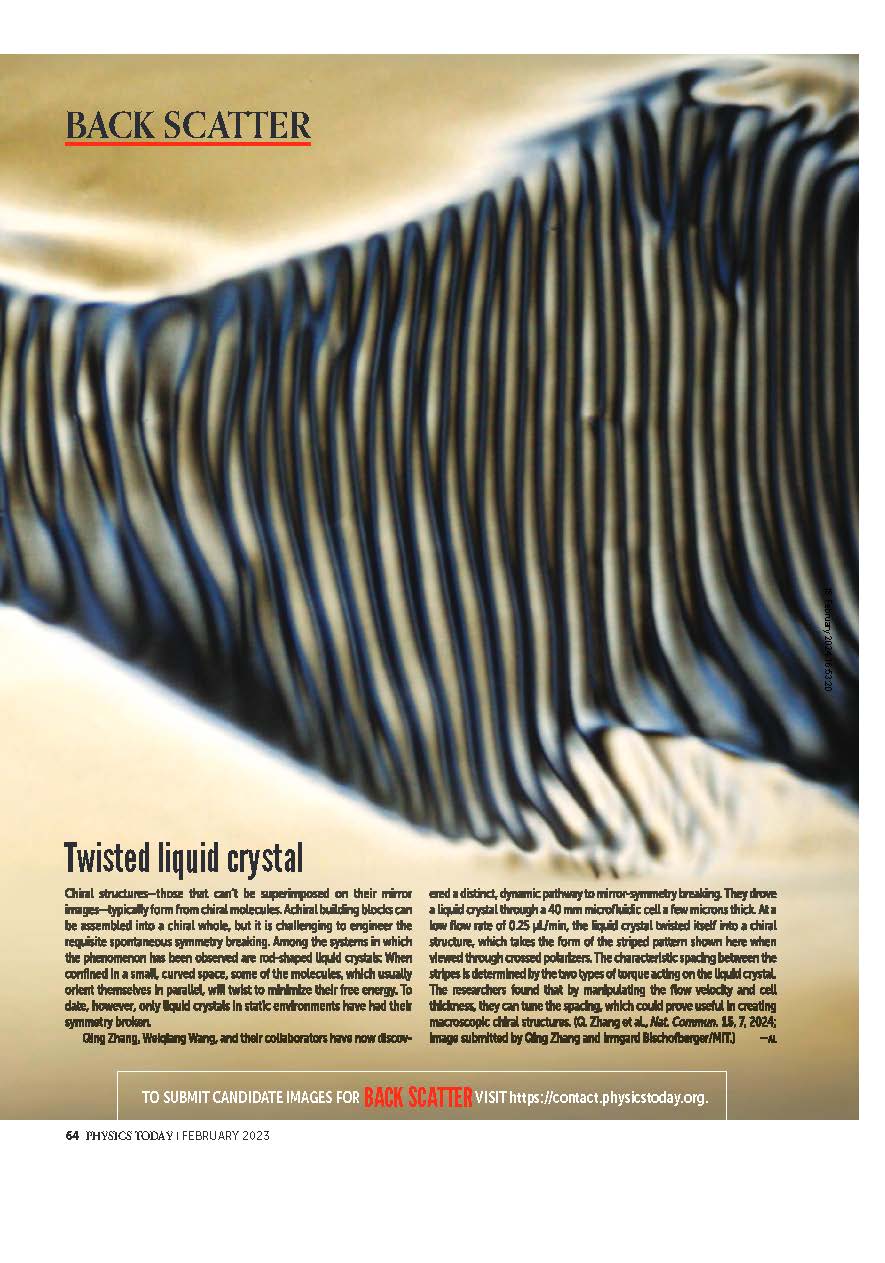
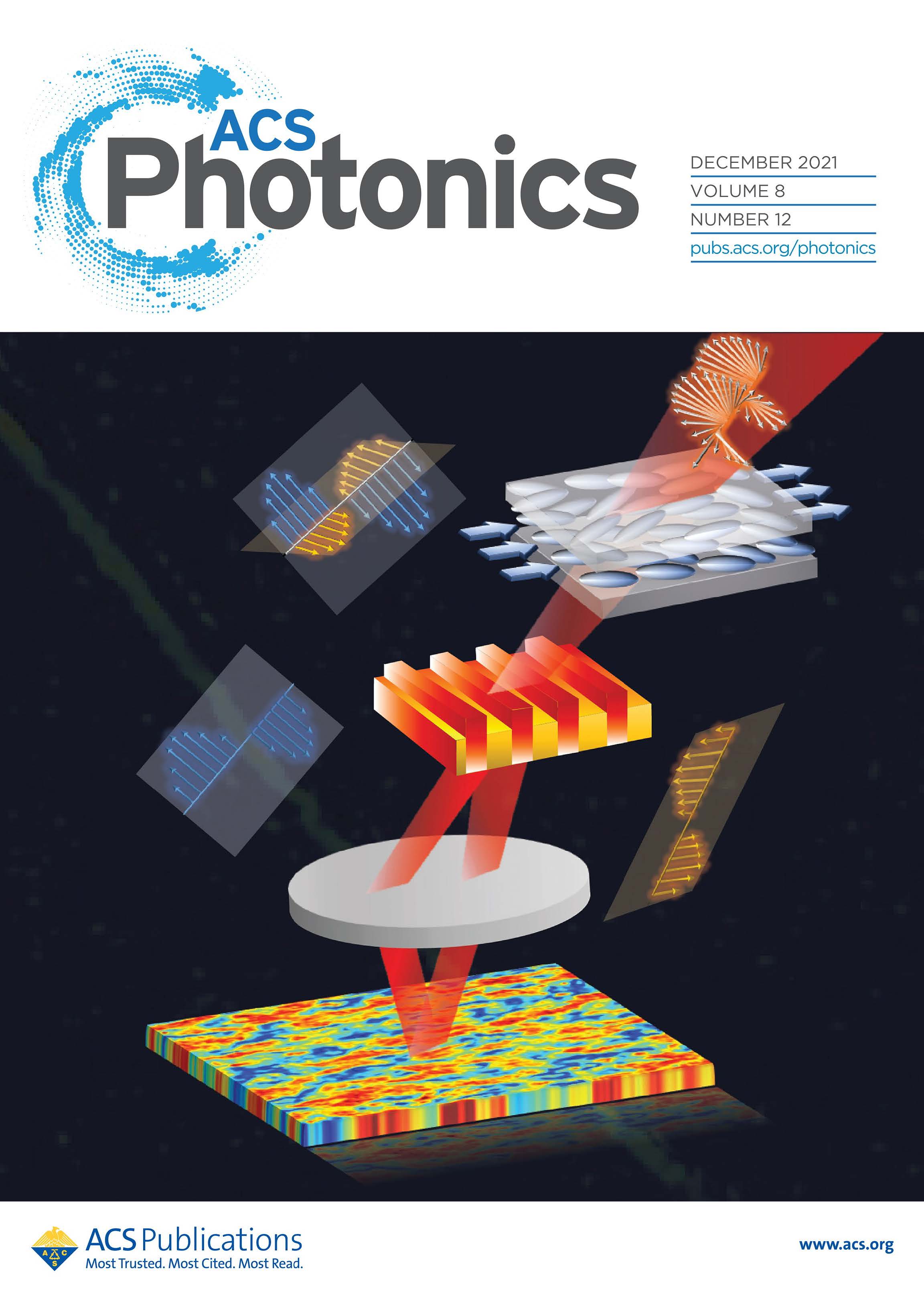
In nematic liquid crystals, flow distorts director field against elastic restoring torques, producing microstructures that control transport and optical properties. Nematic lyotropic chromonic liquid crystals (LCLCs) are water‑based and biocompatible, with peculiar larger material anisotropy than classical thermotropic LCs. Their flow properties were barely explored, limiting the applications for biosensor and drug delivery. Using polarization‑resolved microscopy and custom microfluidics, I systematically mapped flow-induced structures in pressure‑driven LCLCs flow. I revealed twist‑type defects unique to nematic LCLCs and showed that their size is set by a tunable nucleation-annihilation balance. As flow velocity decreases, a periodic double‑twist structure emerges. This is a chiral structure assembled from achiral LCLC building blocks, highlighting a striking flow‑induced mirror symmetry breaking. These findings provide quantitative guidance for molecular assembly under flow.
Microbial Ecology & Marine Biology
Life in freezing porous worlds: Sea Ice and Sea Ice Diatoms.
Life in a freezing, porous world
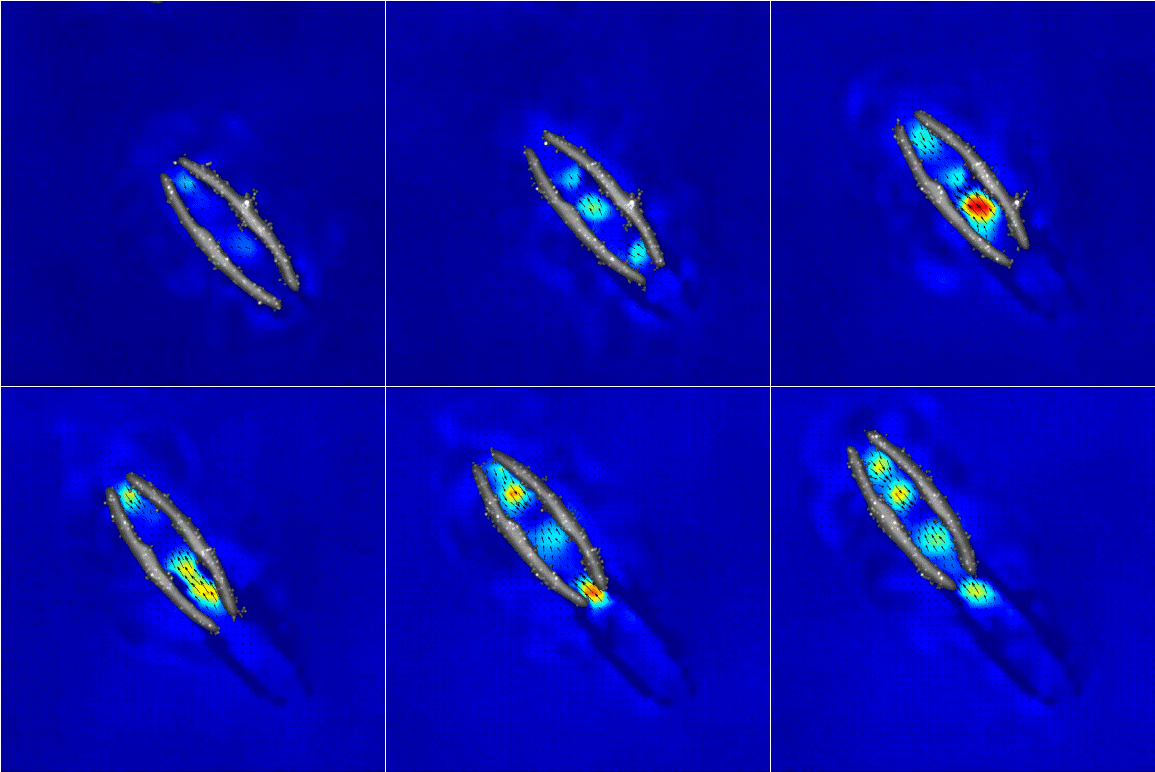
Sea ice is a porous structure filled with brine channels. Ice diatoms dominate sea-ice algal communities and are the primary producers prior to the spring phytoplankton bloom. However, whether diatoms can actively navigate the ice matrix was unknown. Using a custom sub-zero temperature microscope during a 45-day Arctic expedition and together with laboratory assays, I show that ice diatoms uniquely glide across sea ice at subzero temperatures, whereas temperate species lose motility on contact. I adapt traction‑force microscopy to map single-cell forces and build a thermo‑hydrodynamic model that explains how internal myosin motors and external viscosity jointly sustain motion in extreme cold. These results transform static ice into a dynamic landscape, setting the mechanical basis for colonization and motion in freezing environment.
Polar diatoms affect ice nucleation and growth
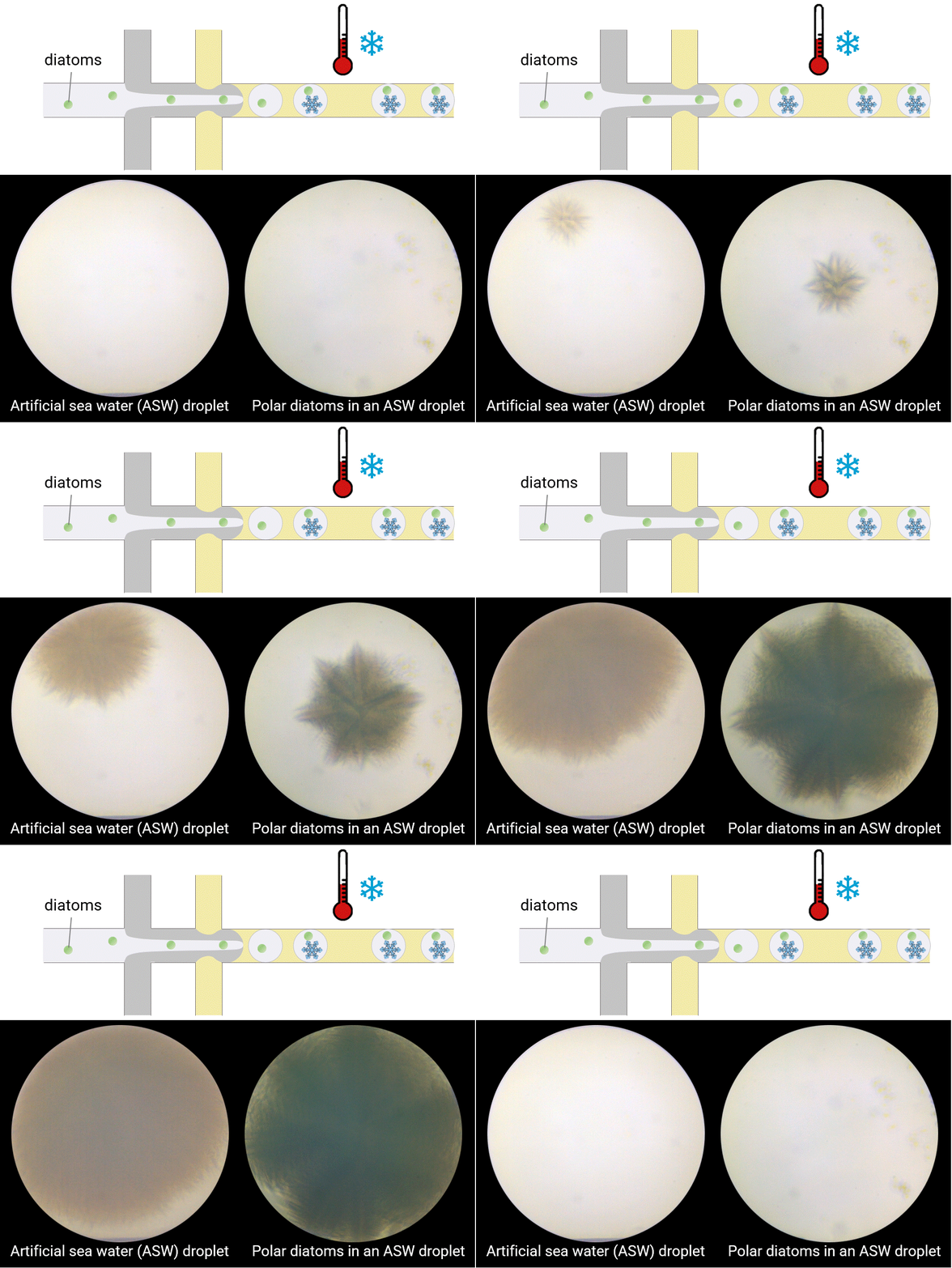
By developing a temperature-controlled microfluidic system reaching -40°C with 0.1-degree precision, I reveal intriguing interactions between forming ice crystals and live diatoms, showing changes in crystal growth and ice frontier’s complexity. These findings show the critical role of polar diatoms in ice nucleation. Our work spotlights the complex interplay between ice crystal formation and live cells.
Genomic and transcriptomic basis of ice diatoms’ motility
In collaboration with Dr. Zev Bryant’s lab
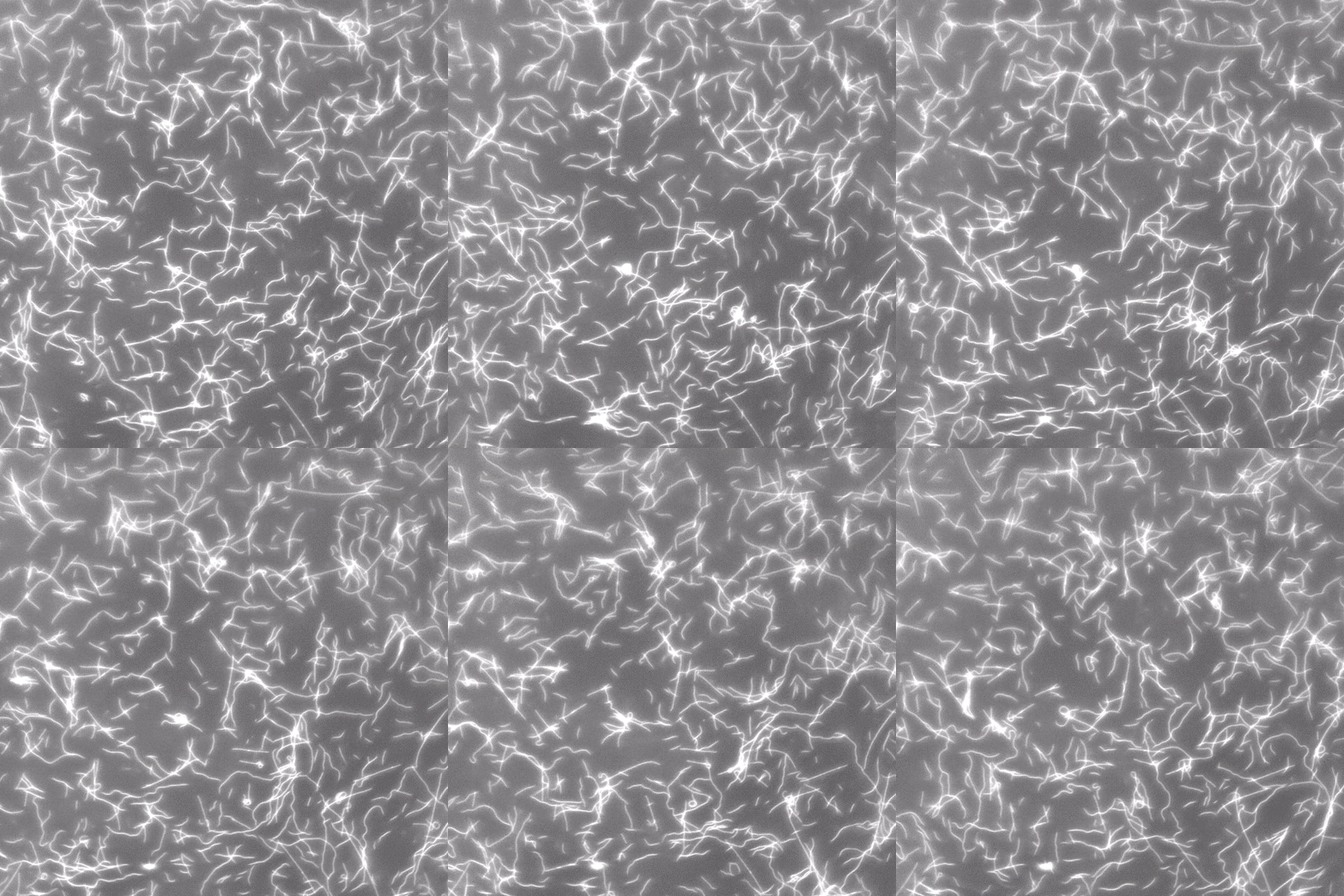
How do diatoms maintain high-performance motility within the freezing constraints of sea ice? Working with graduate student Hope T. Leng, we are dissecting the genetic architecture of ice Navicula sp. to answer this question. Our specific focus lies on the intersection of the diatom motility engine and physical ice-cell interactions. We have performed DNA sequencing to identify marker genes responsible for cryo-adaptation. The current phase of the project involves subjecting cultures to a multidimensional environmental matrix, modulating temperature, light intensity, and nutrient availability, to observe how environmental stress controls RNA expression. Our ultimate goal is to bridge the gap between genomic potential and phenotypic expression, linking molecular strategies to the evolutionary success of microbes in extreme environments.
Photo-regulated buoyancy and vertical migration in chain diatoms
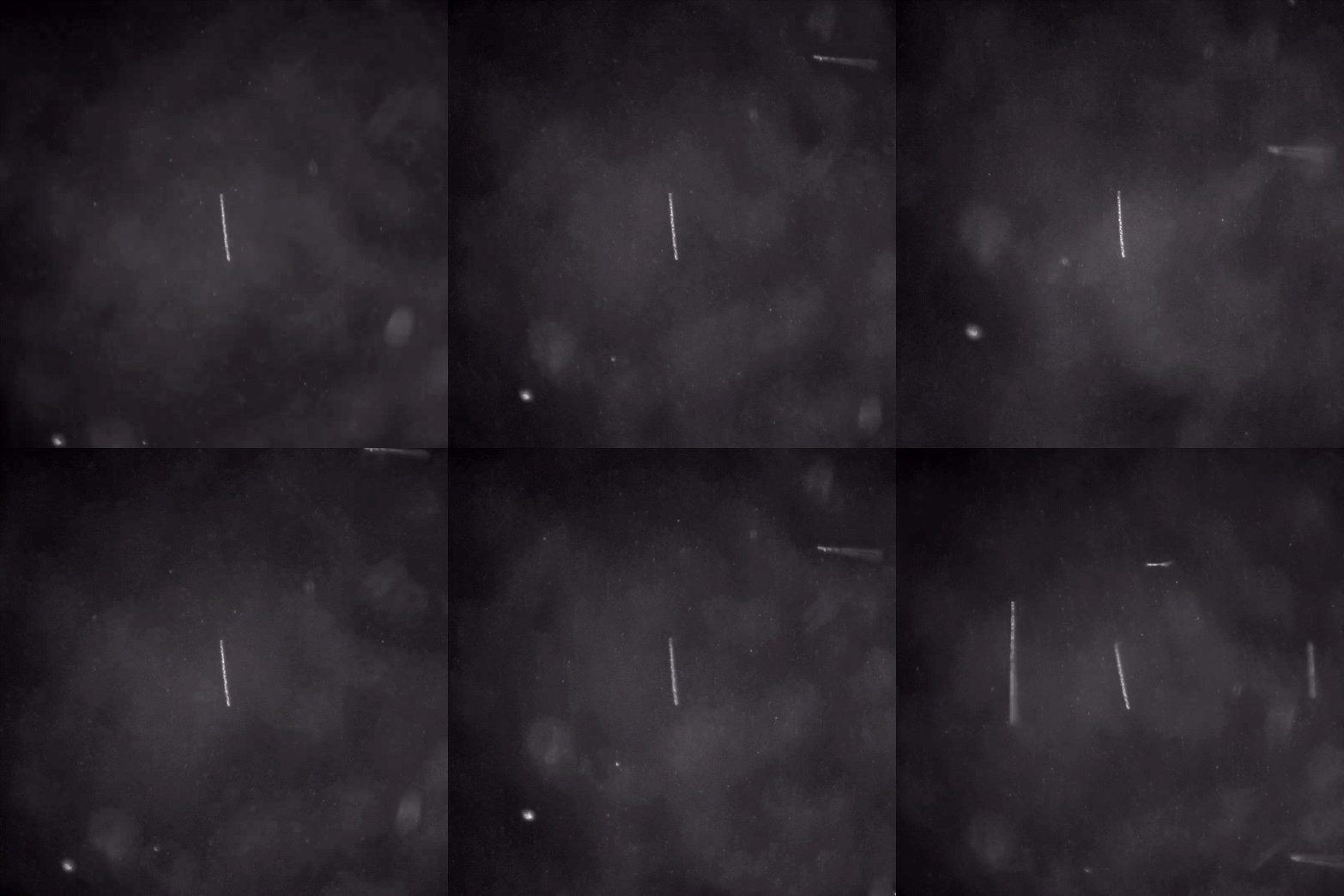
Diatoms are photosynthetic unicellular algae encased in siliceous shells and responsible for approximately 20% of global carbon fixation. Their ability to regulate vertical position within the water column is a critical, yet understudied, component of the ocean biological carbon pump. In this study, I designed a controlled irradiance experiment to decouple passive sedimentation from active buoyancy regulation. Preliminary results reveal a distinct behavioral switch: chain-forming diatoms exhibit passive sinking kinetics in darkness but undergo a rapid, light-induced ascent. This experiment establishes a basis for dissecting the vertical migration and quantifying the mechanics of carbon export fluxes in marine ecosystems.
Soft & Active Matter
Active nematics in ecosystems and active foam networks.
Active nematics in ecosystems
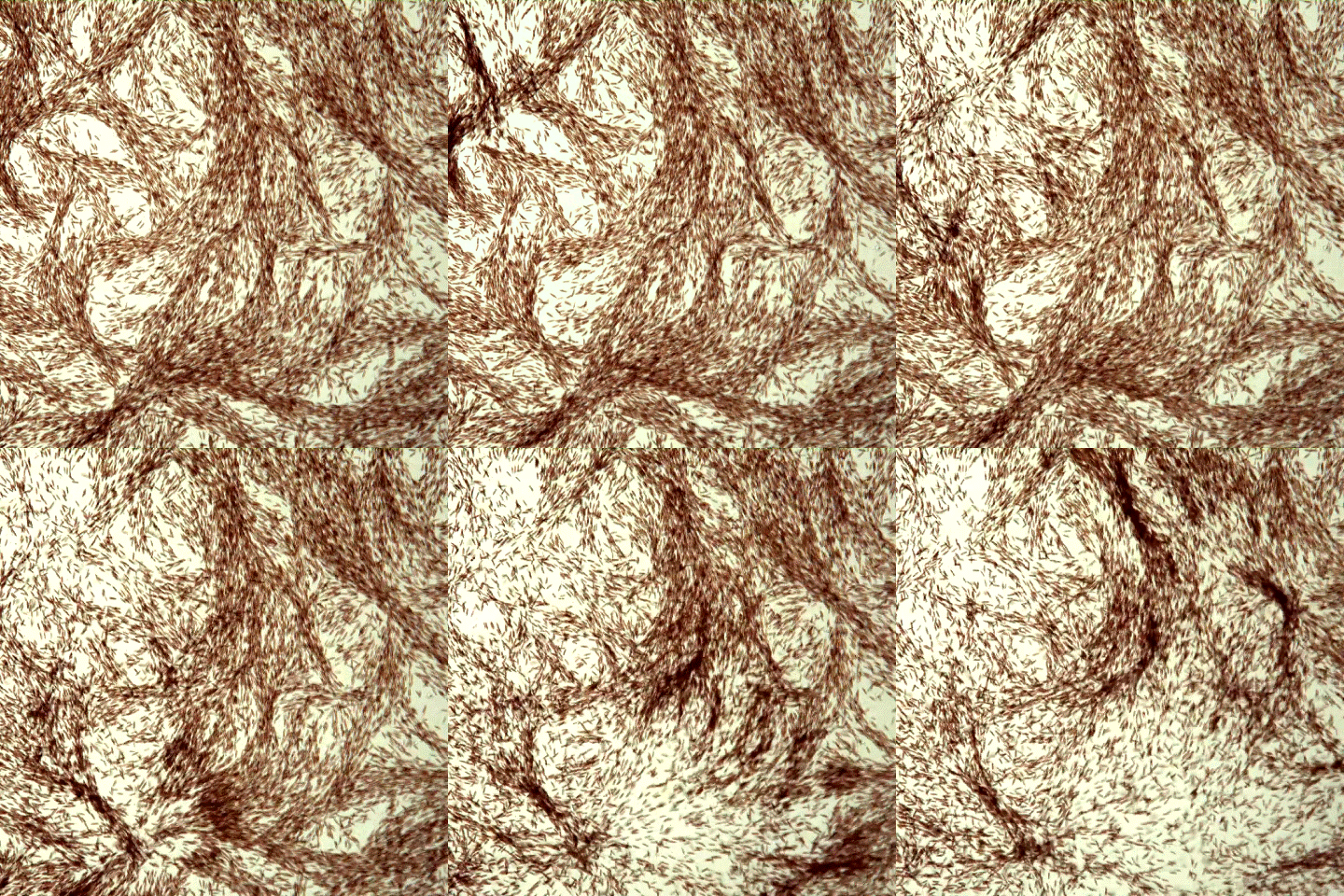
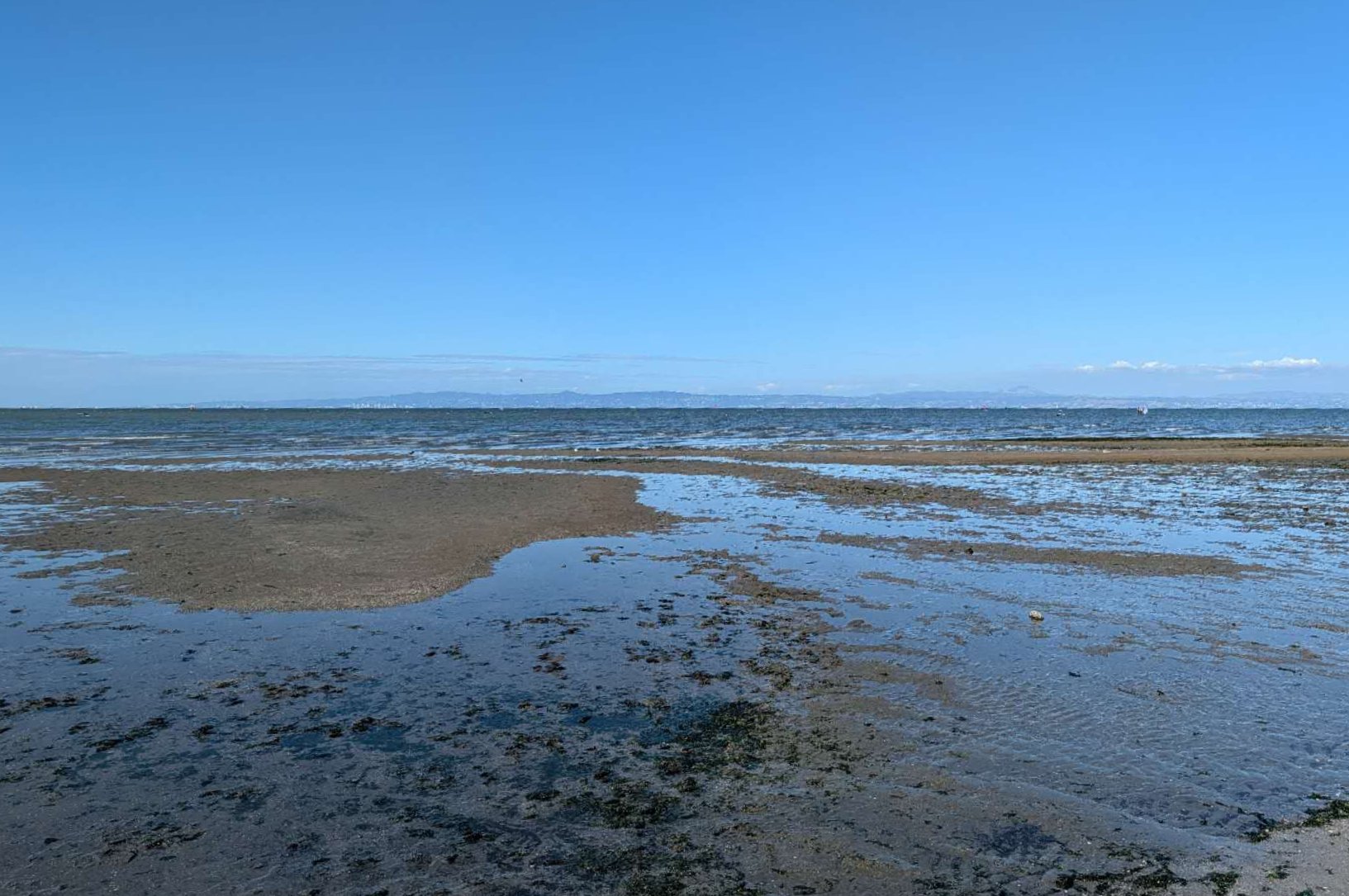
On intertidal mudflats, the collective state of diatoms governs erosion thresholds, advective exchange, and the spatial patterning of primary production. Across tens of meter scales in the field of intertidal mudflats, I discover that dense mudflat diatom communities self-organize into an ecosystem‑scale active nematic phase. Within these carpets, self‑propagating trigger waves arise: cells abruptly accelerate and glide along their common alignment direction, enabling rapid, directional seeding. The mucilage (slime) they secrete onto the substrate imprints environmental memory, allowing rapid restoration of the nematic pattern after a trigger wave. Using micro‑injection, I can elicit waves on demand; with micropatterns, I align the nematics and show that weak physical cues can route biomass flow. This work reveals a dynamical mechanism for fast reorganization on coastal surfaces and establishes quantitative readouts (alignment order, colonization bias, environmental memory) for probing living active matter and active construction.
Active foam networks: Motility-driven topological remodeling
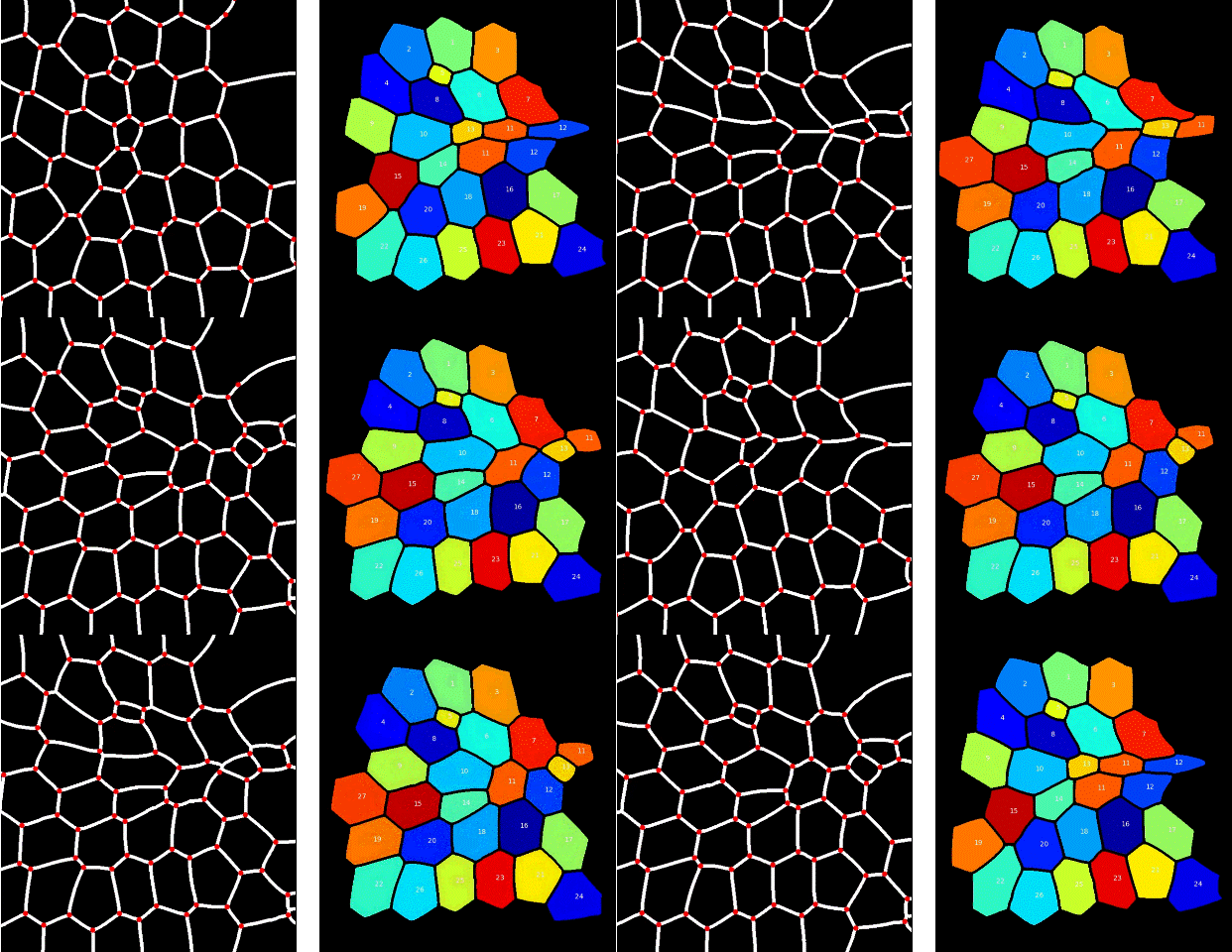
This project investigates the dynamic coupling between active matter and environmental topology within a soft matter system. By introducing a driven active fluid phase into a foam network, I explored how internal active stresses can drive macroscopic structural reorganization in a topologically constrained environment. The core of this research focuses on the mechanics of T1 topological transitions, the fundamental neighbor-swapping events that govern foam plasticity. Through experimental analysis, I derived a scaling law that quantitatively links the motility of the active phase to the rate and nature of these topological rearrangements. This work establishes a framework for understanding how localized energy input can be harnessed to modify global environmental topology, offering new insights into non-equilibrium statistical mechanics and material self-organization.
Field Work & Expeditions

Fate of Primary Production in the Chukchi Sea
Aboard R/V Sikuliaq | June-July 2023
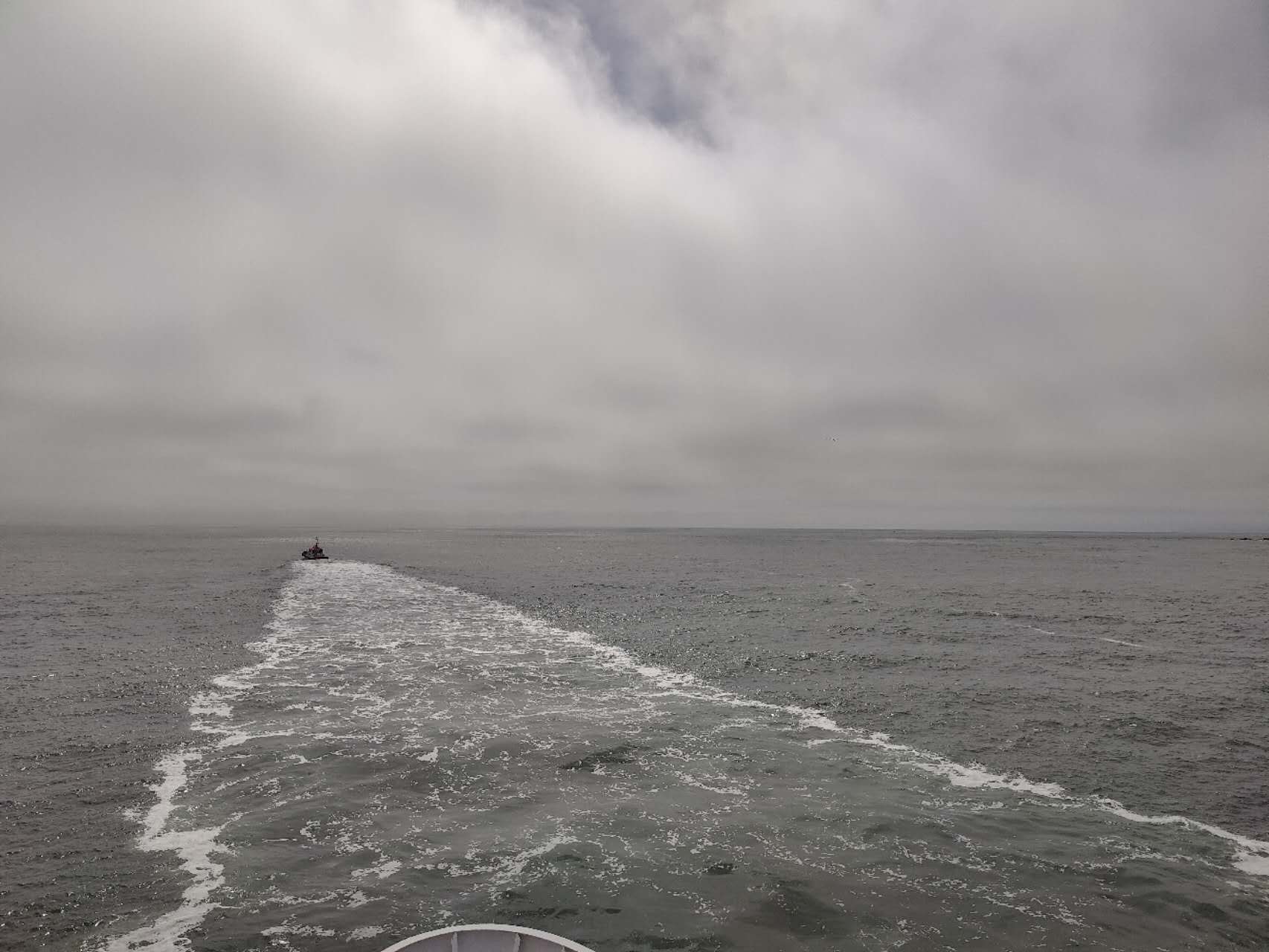
Participated in a 45-day Arctic expedition to study the "Tale of Three Systems." Conducted custom sub-zero temperature microscopy to investigate ice diatom motility and physiology directly in the field.
Virus Infection at the Interface
Aboard R/V Kilo Moana | June 2024
Investigated virus infection dynamics at the interface of sinking, turbulence, and aggregation. This cruise focused on understanding the mechanics of carbon export in the open ocean.
Coastal Mudflat Dynamics
Intertidal Zones, CA
Field studies on intertidal mudflats to map ecosystem-scale active nematic phases of diatom communities. Documented self-propagating trigger waves and rapid colonization events in natural environments.
Publications & Patent
Ice gliding diatoms establish record-low temperature limit for motility in a eukaryotic cell
Flow-induced periodic chiral structures in an achiral nematic liquid crystal
Dendritic patterns from shear-enhanced anisotropy in nematic liquid crystals
Editorial: First Annual APS DSOFT Gallery of Soft Matter
Single-shot quantitative polarization imaging of complex birefringent structure dynamics
Structures and topological defects in pressure-driven lyotropic chromonic liquid crystals
Growth morphology and symmetry selection of interfacial instabilities in anisotropic environments
Cyclic compressive creep-elastoplastic behaviors of in situ TiB2/Al-reinforced composite
Evaluation and mathematical modeling of asymmetric tensile and compressive creep in aluminum alloy ZL109
Exergy-based assessment and optimisation for energy transportation: a case study of Inner Mongolia-Tianjin
Patent
Adaptive self-sealing microfluidic gear pump
Teaching Experience
Undergraduate-level thermodynamics, heat transfer, and fluid mechanics.
Undergraduate-level solid mechanics.
News, Media & Recognition
Research in the News
Extreme life: Arctic ice diatoms ecological discovery
Read Article → Eos Science NewsIce diatoms glide at record-low temperatures
Read Article → MIT NewsStripes in flowing liquid crystal suggest chiral fluids
Read Article → Scinexx.deSpiegelbild-Strukturen aus normalen Vorstufen (German)
Read Article → APS DSOFTGallery of Soft Matter
View Gallery → CLOT MagazineInsight: Multiverse - Science & Music Concert Series
Read Article →Honors & Awards
- 2024 Rising Stars in Soft and Biological Matter Univ. of Chicago & UC San Diego
- 2024 Rank 1 Poster Award (Top 10 of 272) Stanford Bio-X Seed Grants Program
- 2024 Featured Image, "The Year in Back Scatter" Physics Today
- 2023 Bio-X Travel Grant Stanford University
- 2022 Gallery of Soft Matter Award American Physical Society (DSOFT)
- 2022 & 2021 Featured Image, Art of the Month International Liquid Crystal Society
- 2021 Rising Stars in Mechanical Engineering Massachusetts Institute of Technology (MIT)
- 2021 Sontheimer Travel Grant in Mechanical Engineering Massachusetts Institute of Technology (MIT)
- 2015 Outstanding M.S. Award Beijing Institute of Technology (BIT)
- 2013 & 2014 National Scholarship for Master Students Ministry of Education of China
- 2012 Outstanding Bachelor Award Beijing Institute of Technology (BIT)
- 2010 National Scholarship for Undergraduate Students Ministry of Education of China
Recent Presentations
Invited Talk (Upcoming)
"Diatom motility: From individual ice gliding to collective active nematics"
APS Global Physics Summit
Invited Talk
"Pattern, structure, and life: From passive fluids to active living ecosystems"
Hydraulics and Hydrology Seminar Series, Purdue University
Invited Talk
"Flow instabilities and pattern formation in anisotropic systems"
Seminar on Pattern Formation and Networks (virtual), University of Warsaw & CNRS
Invited Talk
"Keeping an eye on flowing liquid crystals"
APS March Meeting
Contributed Talk
"Active nematic wave in mudflat diatoms"
APS Global Physics Summit
Contributed Talk
"Frozen flow: gliding motility of diatoms in ice"
The American Society for Cell Biology
Contributed Talk
"Frozen flow: the motility strategies of ice diatoms"
Ocean Sciences Meeting
Contributed Talk
"Gliding motility of diatoms within sea ice"
Physics of Life Symposium
Contributed Talk
"Unraveling the secrets of sea ice: How a tiny diatom affects ice formation"
NorCal Geobiology Symposium
Contributed Talk
"Chiral domains in a flowing achiral nematic liquid crystal"
APS March Meeting
Contributed Talk
"Chiral domains in a flowing achiral nematic liquid crystal"
APS DFD
Contributed Talk
"Flow-induced topological defects in lyotropic chromonic liquid crystals"
APS March Meeting
Contributed Talk
"Morphology transitions of interfacial instabilities in nematic liquid crystals"
APS Division of Fluid Dynamics (DFD)
Contributed Talk
"Alignment-dependent growth of unstable patterns in liquid crystals"
APS March Meeting
Contributed Talk
"Dendritic growth in the viscous fingering instability"
APS Division of Fluid Dynamics (DFD)
Contributed Talk
"Pressure-induced restructuring of chromonic liquid crystal"
New England Complex Fluids Workshop